
Ministry of Health Reveals Latest Situation of Measles Disease in Indonesia
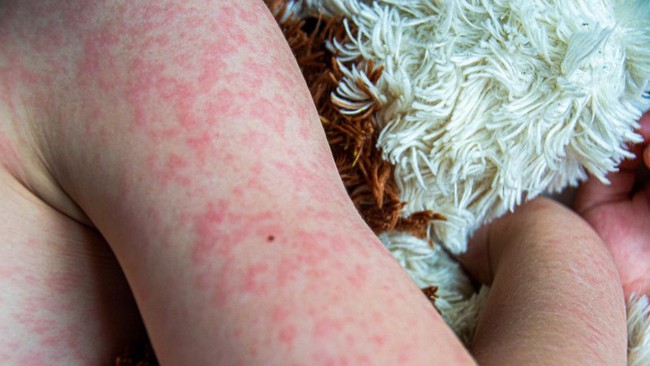
Jakarta, CNBC Indonesia - Acting Director General for Disease Prevention and Control at the Ministry of Health, dr. Andi Saguni, noted that measles cases in Indonesia have dropped sharply. The national number of measles cases has decreased by around 93% compared to the peak at the beginning of the year.
Nevertheless, Andi emphasised that the situation is not yet fully safe and still needs to be guarded against. He recorded a surge in cases in the first week of 2026, before they gradually declined until week 12.
“In week 12, there were 212 measles suspects and 146 confirmed measles cases. This is a significant drop compared to the first week, which reached 2,220 cases,” he said during an online press conference on Monday (30/3/2026).
Although the trend shows a decline, the Ministry of Health stresses that monitoring must remain tightened, especially in regions that previously recorded surges. Several provinces such as North Sumatra, West Sumatra, and West Java experienced increases in cases at the end of 2025 and the beginning of 2026.
Up to week 12, most have shown a downward trend, with some even reaching zero cases. Similar occurrences are seen in other regions such as Central Java, East Java, Sulawesi, and Kalimantan.
“We continue to conduct strict surveillance, even though the numbers have decreased,” said Andi.
The Ministry of Health also highlighted several areas with the highest cases that are continuously monitored, such as South Tangerang, Tangerang Regency, Bima, and Palembang. In some regions, cases have indeed declined. However, there are indications of small fluctuations that still need to be wary of.
For example, in Tangerang Regency and Palembang, which experienced a slight increase again in the last week.
“Even though it appears to be declining, we must still remain vigilant and continue monitoring,” he said.
The Ministry of Health reminds that a decrease in cases does not mean the measles threat has disappeared. Especially since this disease is highly contagious, particularly in groups that have not received immunisation.
The government continues to rely on the surveillance system to detect potential surges earlier, while ensuring a rapid response if new cases occur.