
Ministry of Health offers simple tips to cope with post-holiday blues after Eid travel
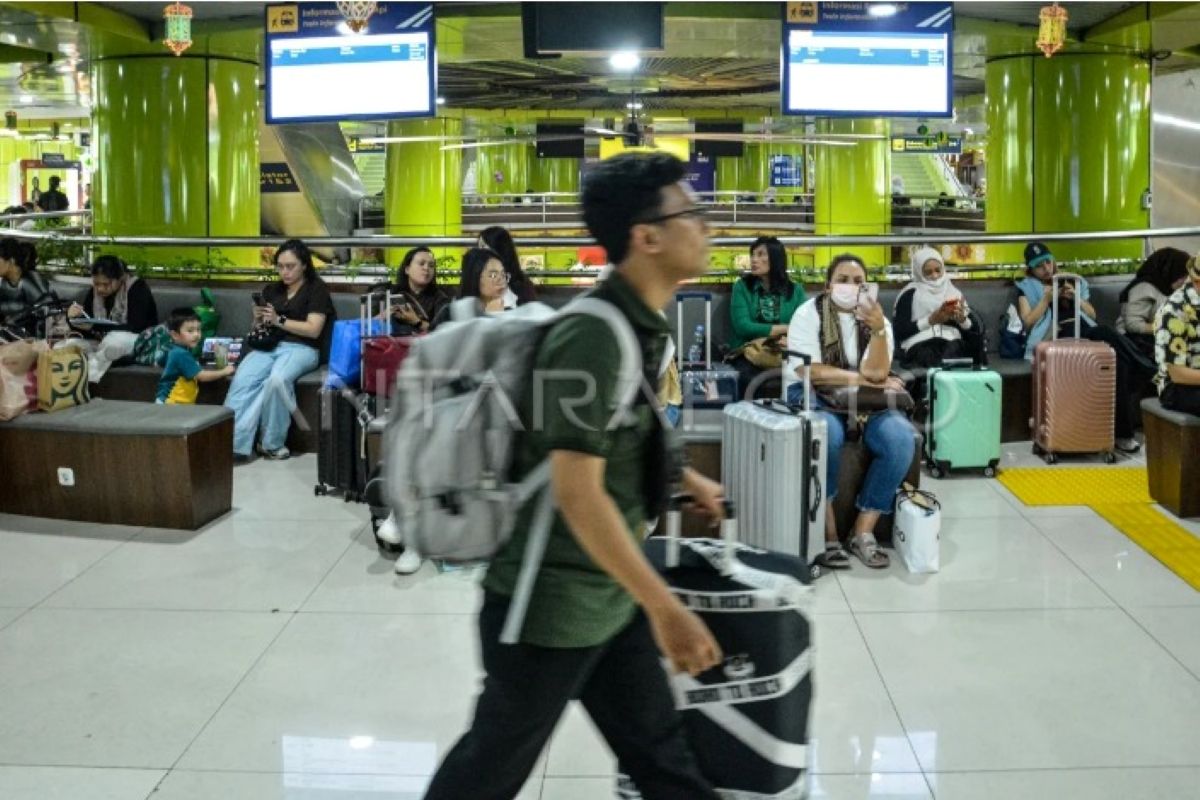
Jakarta (ANTARA) - The Ministry of Health (Kemenkes) states that the Eid travel phenomenon is not merely mobility, but a socially meaningful ritual that can trigger psychological dynamics, namely post-holiday blues or mental health challenges after a holiday, with simple tips to overcome it.
Director of Health Services for Vulnerable Groups at Kemenkes, Imran Pambudi, in Jakarta on Thursday, said that after Eid, many people experience symptoms such as sadness, fatigue, anxiety, loss of motivation, and difficulty concentrating, due to several factors, including long journeys, financial pressures, and expectations to appear successful.
“A 2023 World Travel & Tourism Council (WTTC) survey recorded that 41 percent of Indonesian Eid travellers experienced mild to moderate anxiety and depression symptoms,” said Imran.
He mentioned that ways to overcome post-holiday blues are quite simple, but require self-awareness and consistency. After a long holiday, it is advisable to make a gradual transition, for example, by taking one to two days to reorganise routines before returning to full work.
“Maintaining basic health routines is also important. Regular sleep, balanced eating, and light exercise can help the body and mind adapt again,” he said.
In addition, maintaining social connections is very beneficial. Scheduling video calls with family or friends can reduce feelings of loss after returning to the city.
Limiting social media exposure is also necessary, as comparisons with others’ lives often worsen moods. Utilising public spaces, such as parks or sports communities, can reduce feelings of isolation and bring positive energy.
Many services are now available online, making access to help easier and faster. With these steps, post-holiday blues can be overcome, and holidays can remain beautiful memories without leaving prolonged psychological burdens.
He mentioned that Eid 2026 is predicted to be one of the largest Eid travel flows in Indonesia’s history. Data from the Ministry of Transportation shows more than 120 million trips were made during the Eid travel period, with the peak return flow reaching record density on the Trans-Java toll road and railway lines.
Imran said post-holiday blues is a global phenomenon found in various countries, such as the United States, United Kingdom, Australia, and Canada. After long holidays like Christmas and New Year, many countries report increases in mental health issues.
For example, in the United States, around 6.2 percent of adults experience Christmas Depression symptoms each year, and between 4.1 percent and 8.2 percent meet clinical criteria during the holiday season.
Furthermore, he said, vulnerable groups in Indonesia face quite unique mental health challenges after long holidays, especially after Eid. Adolescents and students often experience emotional disturbances more easily due to their transitional phases full of academic and social pressures.
Migrants, who must return to the city after the warmth of togetherness in their hometowns, often feel loneliness and loss of emotional support. Women are also more vulnerable to depression, influenced by social pressures, dual family roles, and financial burdens. Meanwhile, the elderly face higher risks due to loneliness and chronic illnesses.
“This picture shows that the post-holiday blues phenomenon does not only occur in Indonesia after Eid, but is also a global pattern influenced by social pressures, expectations of happiness, and sudden transitions back to routines,” he said.
He stated that post-holiday blues is not a weakness, but a human phenomenon that can be overcome with social support, self-awareness, and appropriate interventions. By understanding these dynamics, Eid can become not only a moment of reconnection, but also a starting point for building collective mental resilience.