
Ministry of Health Highlights Holistic Health Approach for a More Serene Hajj
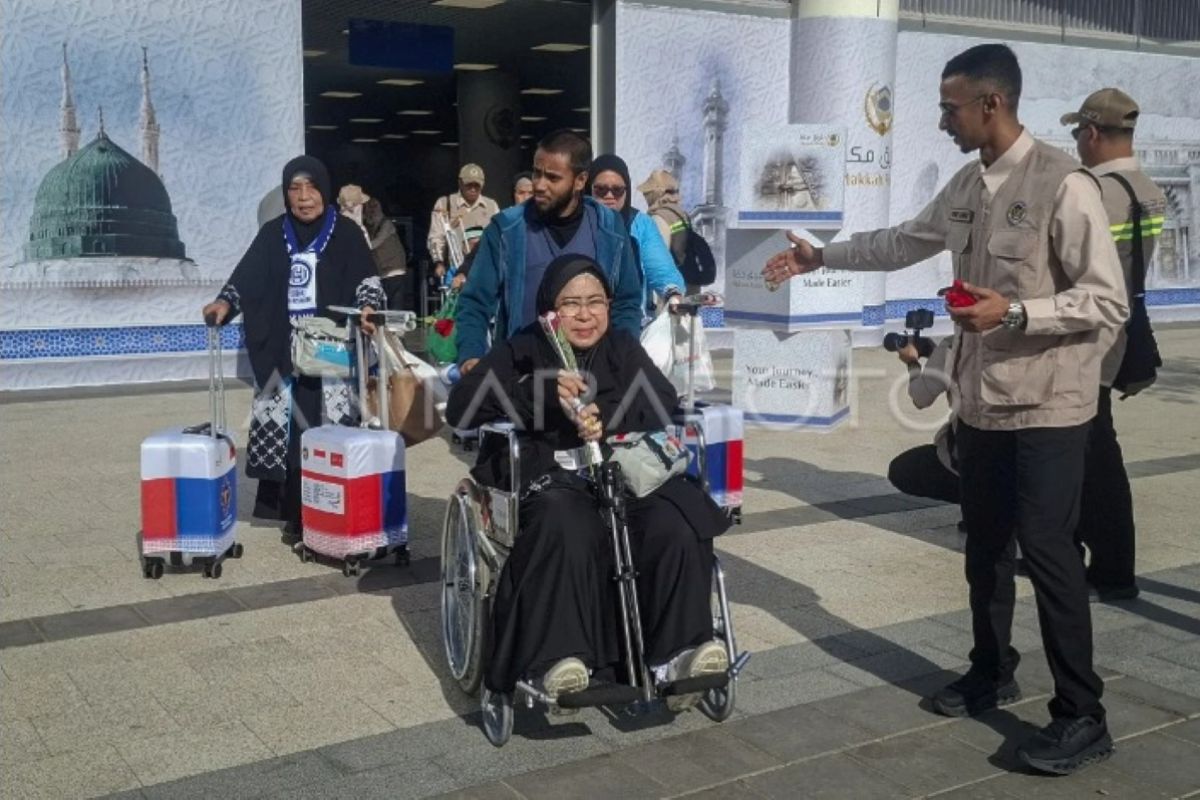
Hajj health workers are now equipped with a special team to handle psychological issues quickly to prevent them from developing into serious conditions. Jakarta (ANTARA) - The Ministry of Health states that managing expectations and adopting a holistic approach is essential for Hajj pilgrims to accept the dynamics of worship more calmly and devoutly, making their pilgrimage full of blessings. Director of Vulnerable Group Health Services at the Ministry of Health, Imran Pambudi, said that Hajj 2026 is one of the largest spiritual events with more than 1.8 million pilgrims from around the world, including 221,000 from Indonesia. Of that number, around 11,000 are elderly who face greater challenges, both physical and mental. “The Hajj pilgrimage is the spiritual peak for Muslims, but behind its profound religious meaning, this journey also brings significant challenges to mental health. Changes in environment, the density of millions of pilgrims, and physical and emotional pressures can trigger stress, anxiety, and even mental disorders,” he said in Jakarta on Wednesday. Ministry of Health reports indicate that 10-15% of pilgrims require special attention for mental health, while 30-40% experience sleep disturbances due to changes in circadian rhythms and dense worship activities. He highlighted that the current weather in Mecca averages 35–38 °C with low humidity, conditions that can trigger dehydration, fatigue, and sleep disturbances. Furthermore, he said, new stricter rules from the Saudi government regarding visas, access to Mecca, and the use of the Nusuk digital application add layers of psychological pressure, especially for pilgrims who are not accustomed to technology or fear heavy penalties for violations. The intense performance of tawaf and sa’i can cause emotional fatigue, while the return period demands re-adaptation after an intense spiritual experience. Other factors such as cultural differences, limited facilities, and interactions in large crowds can also cause frustration and isolation. To address these challenges, a holistic approach is very necessary. Pre-departure counselling that includes stress management training, scheduling worship with sufficient rest time, and attention to hydration and nutrition are the main strategies. Relaxation practices, prayer, and dhikr have been proven to calm the mind, while social support from fellow pilgrims creates a sense of togetherness that alleviates anxiety. “Hajj health workers are now equipped with a special team to handle psychological issues quickly so they do not develop into serious conditions,” he said. With mature mental preparedness, realistic expectations, discipline in following rules, and support from family and community, the Hajj 2026 is hoped to be undertaken more calmly, devoutly, and full of blessings.