
Ministry of Health: Ensure Eid is elderly-friendly, not just festive
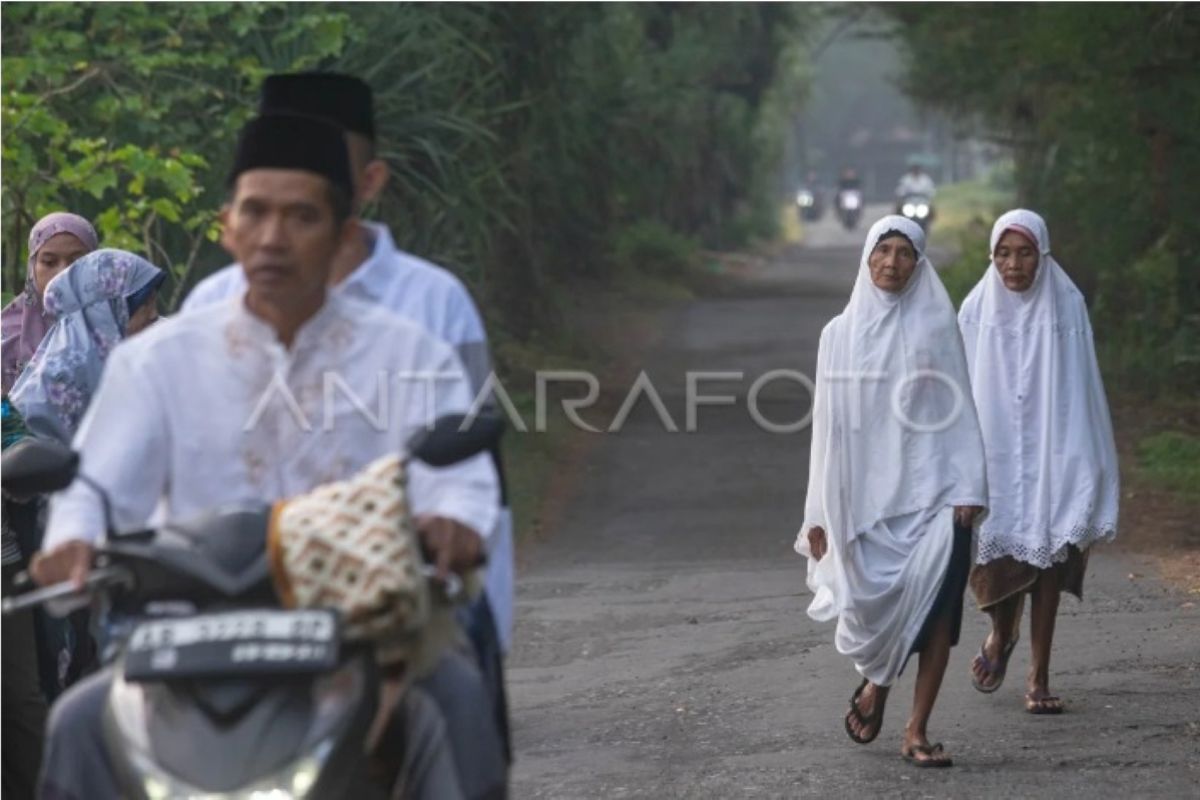
Jakarta (ANTARA) - The Ministry of Health states that for the elderly, Eid is a joyful moment because of reunions with children and grandchildren, but it is also exhausting due to changes in routine, so the family gathering needs to be designed as a celebration that is friendly to the body and heart of the elderly.
Director of Health Services for Vulnerable Groups at the Ministry of Health (Kemenkes), Imran Pambudi, in Jakarta on Friday, said that changes in routine, eating patterns, and dense social interactions can become sources of physical and emotional stress. Therefore, maintaining physical health must go hand in hand with maintaining emotional presence.
“Small attentions, such as comfortable chairs, medication reminders, warm greetings, and opportunities to share old stories, are often more meaningful than a boisterous party, because it is these simple things that make the elderly feel appreciated,” he said.
Physical comfort starts with a safe environment, including easily accessible chairs with backrests, non-slip floor surfaces, adequate lighting in traffic areas, and handrails on stairs if needed.
“Avoid forcing the elderly to stand for long periods or go up and down stairs repeatedly. Redirect physically demanding tasks to younger family members and offer light roles that make them feel appreciated,” he said.
Provide drinking water near seating areas and remind them to drink regularly, and provide healthy snacks that are easy for the elderly to digest.
He also reminded to invite the elderly to share stories about past Eid memories and listen attentively, let them lead the topic if they wish, and avoid discussing sensitive family issues.
“When there are many guests, arrange turns to speak so that the elderly are not sidelined by fast-paced conversations. Simple touches, smiles, and addressing them by name show appreciation without draining energy,” he said.
For the elderly with reduced hearing, sitting closer and speaking slowly in a warm tone makes conversations comfortable without raising the voice excessively.
According to him, families also need to be prepared to recognise signs that require medical action, prepare appropriate follow-up steps, and contact medical personnel if necessary. After the celebration, allocate 48–72 hours to monitor the elderly’s health condition, and consult with health professionals if needed.
Imran also highlighted the need for light physical activity for the elderly to help circulation and reduce stiffness. Also pay attention to sleep and eating time needs that may differ from younger generations.
For the elderly who cannot attend in person, virtual presence provides space for togetherness. Short video calls to say greetings, showing family dishes, or singing together can reduce feelings of loneliness.
“Send photos of warm moments during the holiday and read messages of love from the family. Consistent communication after Eid shows that attention is not just a holiday formality, but ongoing care,” he said.
According to him, with a little planning and a lot of empathy, families can make Eid a time that is safe, full of love, and memorable for all generations.
“Selamat Idul Fitri. Taqabbalallāhu minnā wa minkum. May this holy day bring peace, health, and togetherness to families, especially for the elderly we love,” he said.