
Ministry of Health Accelerates Measles-Rubella Immunisation in Preparation for 2026 Eid Exodus
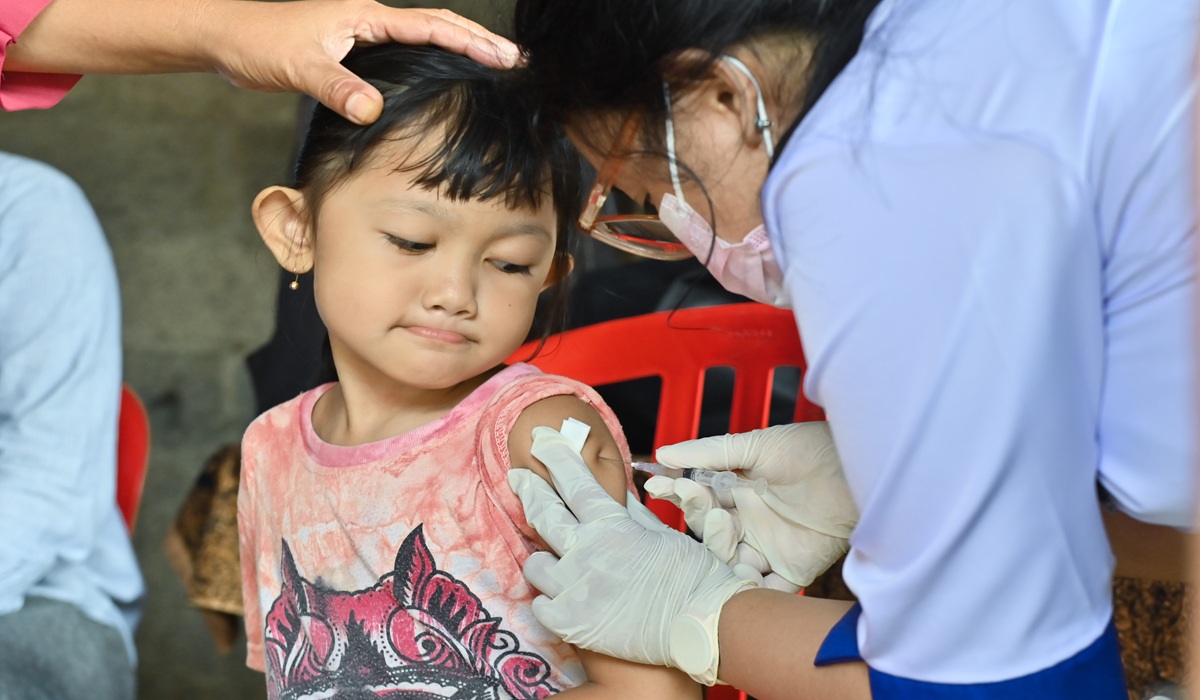
The Indonesian Government through the Ministry of Health (Kemenkes) has decided to accelerate the implementation of measles-rubella (MR) immunisation in several strategically important regions. This measure has been taken as a preventive effort to ward off a surge in measles transmission amid high population mobility and potential crowding during the 2026 Eid exodus and holiday period.
Based on Kemenkes data through week 8 of 2026, the measles spread situation in Indonesia shows figures that warrant attention. A total of 10,453 suspected measles cases have been recorded, with 8,372 confirmed cases and six deaths. Additionally, the government has established 45 extraordinary occurrence statuses (KLB) spread across 29 districts/cities in 11 provinces.
The Acting Director General of Disease Control at Kemenkes, Dr. Andi Saguni, explained that the government is now focusing on rapid response through Outbreak Response Immunisation (ORI) and Catch Up Campaign in affected and high-risk areas. “The trend of suspected measles cases increased in January and began declining throughout February 2026. Through week 8 of this year, more than ten thousand suspected measles cases have been recorded. The government continues to conduct rapid response to prevent wider transmission,” said Andi as quoted from the official Kemenkes website on Friday (13/3).
The accelerated immunisation programme targets 102 districts/cities with primary focus on children aged 9 to 59 months throughout March 2026. The government has set an ambitious target of minimal immunisation coverage of 95%. This figure is considered a crucial threshold for building herd immunity to break the disease transmission chain.
To facilitate public access, immunisation services are provided at various points. Beyond health centres and community health posts, services also reach educational institutions such as early childhood centres and kindergartens, places of worship, and service posts along major travel routes.
Andi emphasised that parental vigilance is a key factor, especially when bringing children to public spaces during the long holiday period. “As the Eid exodus approaches, population mobility will increase and the potential for crowding is greater. Therefore, the public needs to remain vigilant against measles transmission, especially in children who have not received complete immunisation,” Andi stressed.
Besides urging complete immunisation status for children, Kemenkes also requested that the public maintain discipline in implementing clean and healthy living behaviour (PHBS). Handwashing with soap, proper cough etiquette, and mask use in crowded areas remain the primary recommendations.
For parents who find their children showing symptoms or are feeling unwell, Andi recommended postponing travel plans. “If a child shows symptoms of measles or is ill, it is better not to travel and should be brought immediately to a health facility. Reducing contact with others is also important to prevent wider transmission,” he concluded.