
Ministry of Hajj Warns of Penalties for Illegal Hajj, Banned from Entering Saudi Arabia for 10 Years
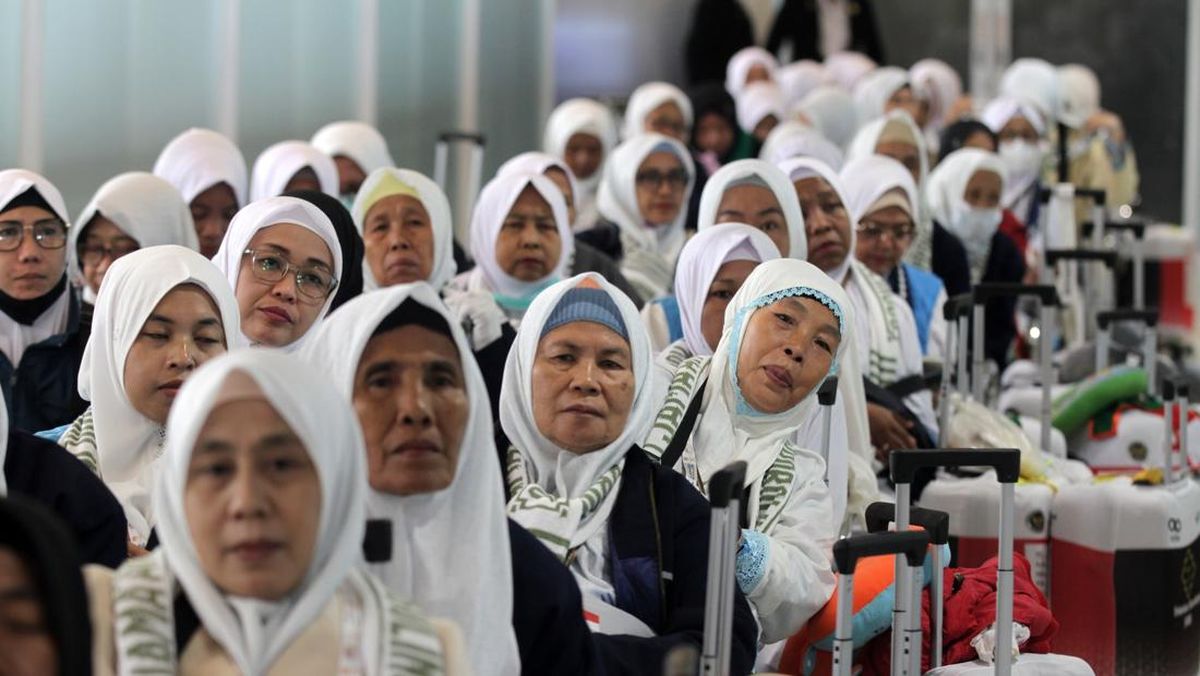
The Ministry of Hajj and Umrah (Kemenhaj) is reminding pilgrims of the threats faced by those performing Hajj illegally or non-procedurally. Head of the Public Relations Bureau of Kemenhaj, Moh. Hasan Afandi, stated that the ministry, along with the Indonesian National Police (Polri) and the Ministry of Immigration and Correctional Services, has formed a Task Force for Preventing Illegal Hajj to strengthen supervision and enforcement. This task force is responsible for preventing non-procedural Hajj departures from the outset, conducting widespread public awareness campaigns, and handling criminal cases related to illegal Hajj practices. “We urge the public not to be tempted by offers of Hajj without queuing through illegal means. Report to the police if any parties offer or organise non-procedural Hajj departures,” Hasan said in his statement, as quoted from the Kemenhaj website on Saturday (2/5). From 18 April to 1 May, Indonesian Immigration officers have recorded preventing the departure of 42 prospective non-procedural Hajj pilgrims. Hasan emphasised that using non-Hajj visas such as work, pilgrimage, visit, or transit visas for Hajj constitutes a violation of Saudi Arabian government regulations. Hasan noted that the penalties imposed are not light, ranging from denial of entry to Mecca and the areas of Arafah, Muzdalifah, and Mina, fines, deportation, to a ban on entering Saudi Arabia for 10 years. In addition, law enforcement will also be applied to parties organising, offering, or facilitating illegal Hajj. Hasan conveyed that this step is a form of support from the Indonesian government for the Saudi Arabian government’s campaign “No Hajj Without Permission” to ensure all pilgrims perform the worship in accordance with regulations. “We fully support the Saudi Arabian government’s campaign, No Hajj Without Permission. Hajj must be conducted through official channels and using Hajj visas so that the worship proceeds orderly, safely, and does not pose legal risks to pilgrims,” he concluded.