
Ministry of Hajj strengthens inclusive pilgrimage regulations for the elderly and women
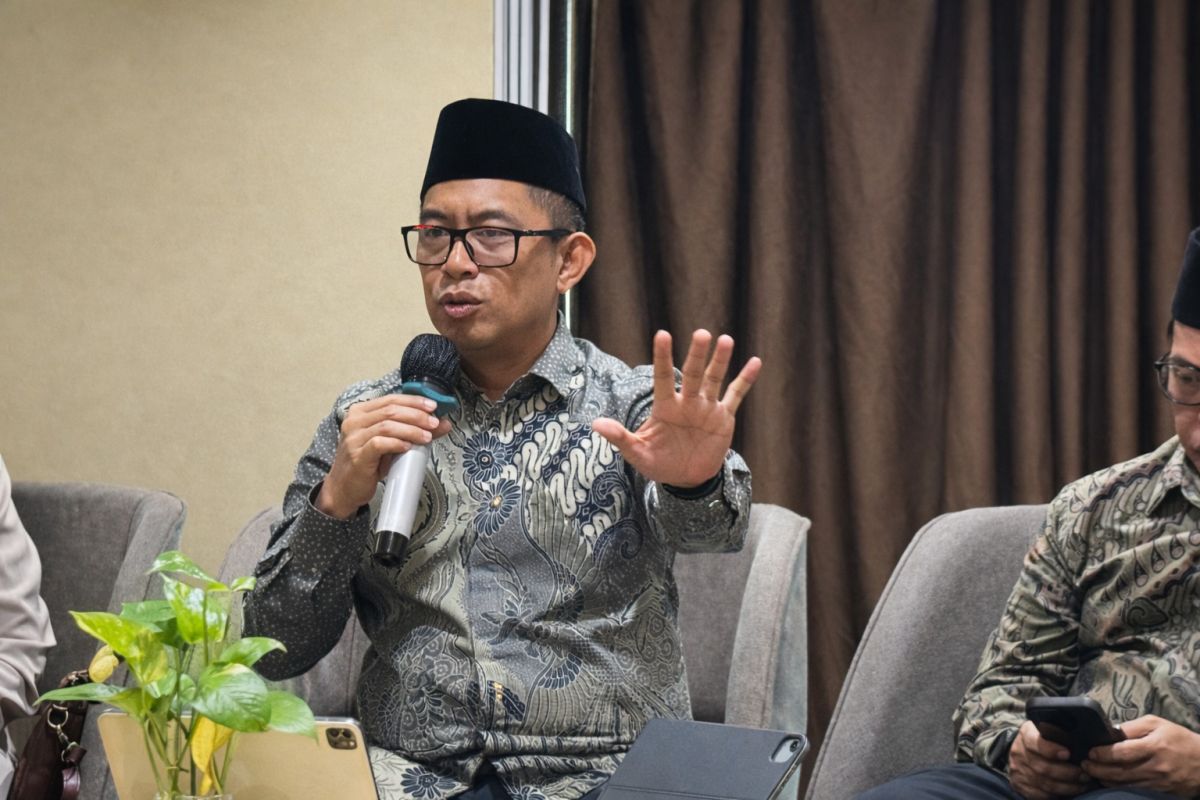
Jakarta - The Ministry of Hajj and Umrah has reaffirmed its commitment to continuously providing inclusive and equitable hajj worship services for all Indonesian pilgrims, including the elderly, women, and persons with disabilities.
“Alhamdulillah, we are continuously improving regulations by emphasising inclusivity. The hajj is not only a matter for men, but must also be welcoming for the elderly, persons with disabilities, and women,” said Director General of Hajj and Umrah Services Puji Raharjo in a statement in Jakarta on Saturday.
Puji Raharjo stressed that the fundamental principles of Indonesia’s hajj services are based on the values of safety, humanity, and accessibility for Indonesian pilgrims, serving as the foundation for strengthening inclusive hajj services.
“We continue to prioritise and expand coordination and collaboration with all disability organisations and institutions, so that we can provide equal space and in the future pilgrims’ services will become increasingly inclusive,” said Puji Raharjo.
Chair of the National Disability Commission (KND) Dante Rigmalia appreciated the Ministry of Hajj’s swift response in implementing various recommendations regarding hajj services for persons with disabilities.
“When we provide solutions, the Ministry of Hajj acts immediately. In the previous hajj operation, the services for disabled pilgrims in Mecca 2025 even received appreciation from representatives of the Saudi Arabian Ministry of Hajj,” said Dante.
He also noted that several services had already shown improvement, including the provision of meals for pilgrims with special needs.
“Food for the elderly and disabled pilgrims is also quite good now. This shows attention to the special needs of pilgrims,” he continued.
However, he emphasised that several aspects still need to be continuously strengthened, particularly regarding support for disabled pilgrims during their pilgrimage.
“Special assistance is needed for disabled pilgrims. For example, pilgrims who need wheelchairs should not be separated from their carers, as this is very important for their comfort and safety,” he said.