
Ministry of Forestry Ensures Tourist Restrictions in Komodo National Park Are Reviewed Periodically
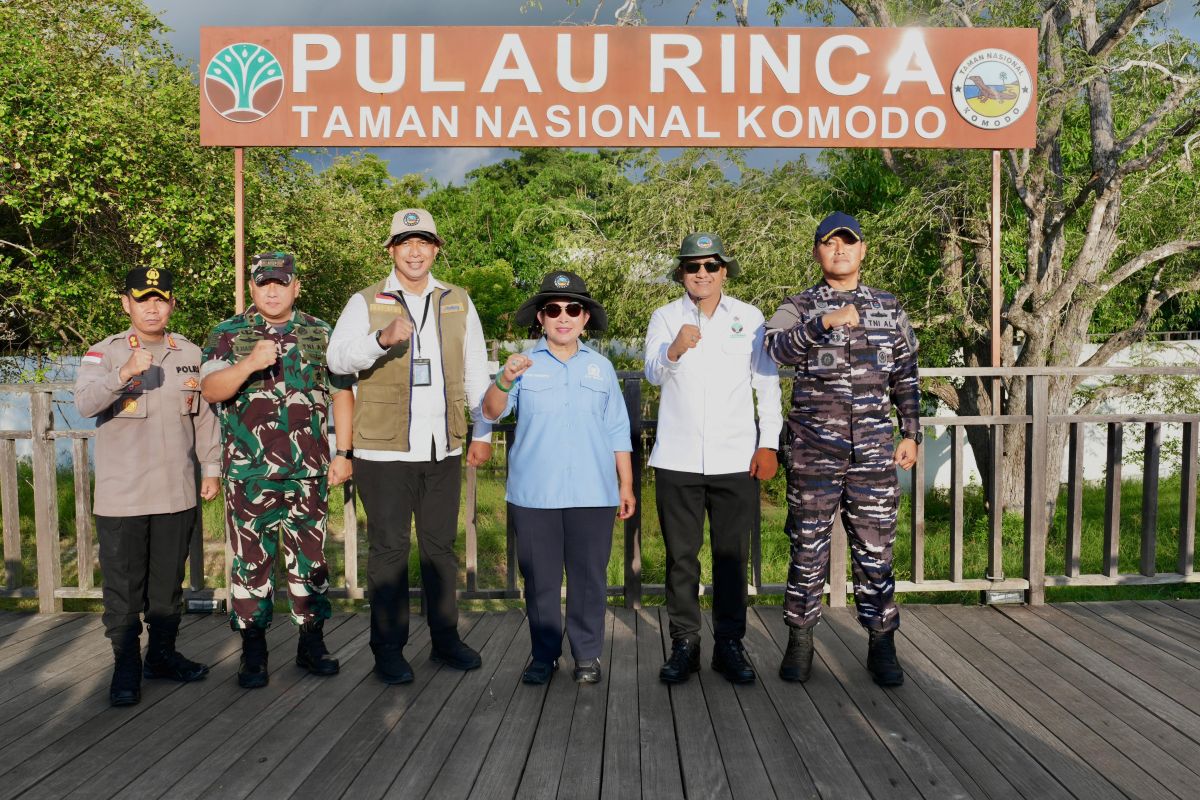
Jakarta (ANTARA) - The Ministry of Forestry (Kemenhut) is strengthening the management of Komodo National Park with a policy of limiting tourist quotas that will continue to be monitored and evaluated periodically to ensure a balance between the ecological interests of the conservation area and the economy of the surrounding community. In a statement confirmed from Jakarta on Saturday, Deputy Minister of Forestry (Wamenhut) Rohmat Marzuki conveyed that this is an important step to preserve Komodo National Park as a national asset. “We agree that the principle must include restrictions for ecological balance. However, we will continue to conduct ongoing studies and periodic evaluations. Along with the improvements to facilities and infrastructure (sapras) that we will carry out on Pulau Padar this year, such as regulating trekking paths and in-out docks, an increase in the quota will very likely be considered,” stated Deputy Minister Rohmat Marzuki. The current tourist quota policy is set at 365,000 people per year. However, he emphasised that this figure is not static but dynamic, following the developments in environmental carrying capacity and capacity. “We will involve representatives of associations to conduct joint studies. We also encourage the development of ex-situ Komodo conservation outside the national park, such as on the mainland of Flores, Longos Island, to Golomori, as alternative destinations for tourists,” he explained. On the same occasion, Chair of House Commission IV, Siti Hediati Hariyadi, or familiarly known as Titiek Soeharto, appreciated the Ministry of Forestry’s spirit of protecting the area. She assessed that the restrictions are a form of long-term investment to maintain the welfare of the business actors themselves. “The spirit of this policy is already correct to preserve the ecosystem and the beauty of this place for the long term. However, we want the transition to be carried out gradually and involving the local community. Do not let tourists who have come from far away feel disappointed,” said Titiek Soeharto.