
Ministry of Finance: Middle East Conflict Could Press Inflation and Rupiah, but State Budget Has Windfall Potential
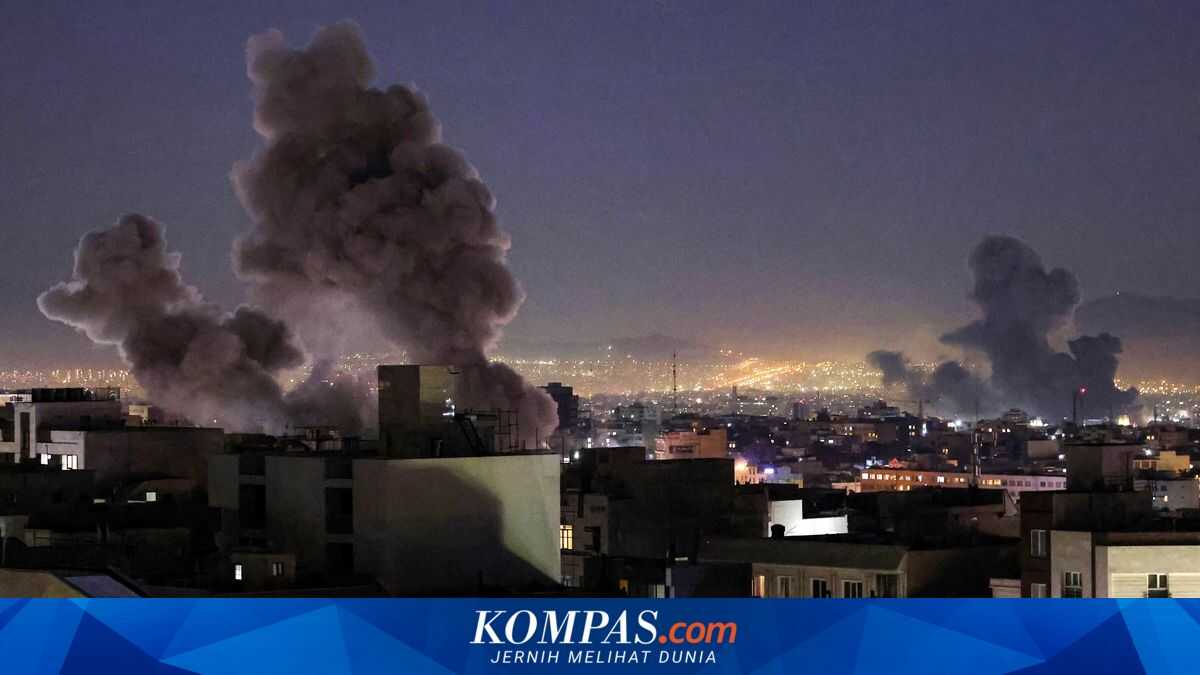
Jakarta — The Ministry of Finance has stated that the geopolitical conflict between the United States, Israel, and Iran could potentially create pressure on Indonesia’s economic stability, ranging from inflation increases, rupiah depreciation, to rising interest rates, as global commodity prices climb.
Deni Surjantoro, head of the Communication and Information Service Bureau at the Ministry of Finance, said the conflict could trigger price increases in a number of strategic commodities, particularly crude oil, coal, crude palm oil (CPO), and nickel.
“The Middle East conflict has the potential to impact commodity price increases (crude oil, coal, CPO, nickel); pressure on inflation, exchange rates, and interest rates; and economic activity partially,” Deni told Kompas.com on Monday, 2 March 2026.
However, according to an aide to Finance Minister Purbaya Yudhi Sadewa, rising prices for major export commodities could actually help offset pressure on national economic growth.
This is because Indonesia is a major exporter of coal, CPO, and nickel, which could benefit from rising global prices.
Additionally, the government is also preparing mitigation steps to contain the impact of domestic energy price increases through energy subsidy policies, to maintain public purchasing power.
“The impact of rising domestic energy prices is being mitigated through subsidy policies to ensure fuel and electricity prices remain affordable for the public,” Deni said.
From the trade perspective, the government believes the conflict’s impact on Indonesian exports is relatively limited.
This is because Indonesia’s export share to Gulf nations remains small compared to total national exports.
“The impact on exports is relatively limited because exports to Gulf countries are only around $8.7 billion out of nearly $300 billion total. Nevertheless, the risk of the Strait of Hormuz closure needs to be monitored,” he said.
From a fiscal standpoint, the geopolitical conflict could provide additional state revenue or a windfall from surging prices of leading export commodities.
However, on the other hand, rising oil prices also risk increasing the state spending burden, particularly for energy subsidies.
“For the state budget, revenue is estimated to receive a windfall from leading export commodities, although there is pressure on spending with rising oil prices,” Deni said.
Despite facing such potential risks, the government has assured that the state budget deficit will remain within the established limits.
The government also stressed it would continue monitoring global developments and coordinate with relevant authorities to maintain national economic stability.
“We do not want to speculate yet; everything is still being monitored,” Deni said.