
Ministry of Finance Denies BPJS Health Has Premium Debt: Only Hospital Claims Are Pending
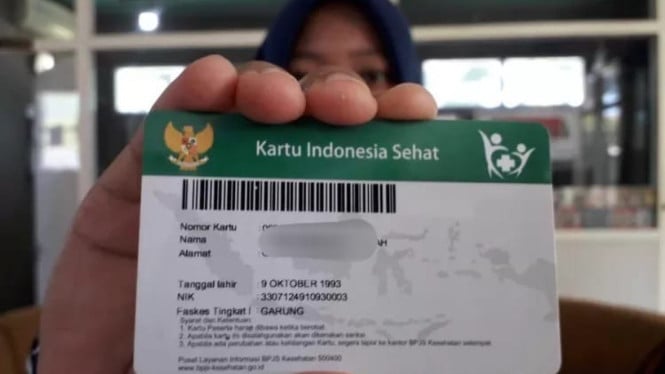
In the midst of reports that BPJS Kesehatan premium arrears reach tens of trillions of rupiah, the Ministry of Finance asserts that the issue is not a debt of the health insurance institution. The Head of the Bureau of Communication and Information Services (KLI) of the Ministry of Finance, Deni Surjantoro, clarifies that what is occurring now is hospital claims that have not been settled administratively. “BPJS does not have any debt; there are hospital claims that are pending or in dispute,” said Deni when contacted. The government previously decided to temporarily cover the cost of health services for participants with severe illnesses whose premium assistance status is problematic. However, this policy only applies for three months. After that, further mechanisms are still being prepared. “Regarding the next mechanism after three months, it is currently being followed up and coordinated by the Coordinating Ministry for Human Development and Cultural Affairs (Kemenko PM),” he said. This temporary policy emerged after a surge in inactive BPJS Kesehatan participants. The President Director of BPJS Kesehatan, Ali Ghufron Mukti, explained that the government continues to cover the costs for patients with catastrophic diseases even if they no longer meet the criteria for Premium Assistance Recipients (PBI). “It’s a bit mixed; the three months is for those who no longer meet PBI criteria but have diseases with catastrophic costs, such as dialysis, and others,” said Ali. From an initial 120,472 participants, now around 103,000 have been temporarily reactivated because some have switched segments or paid independently. “Initially 120,472, but some have switched segments or activated independently, so 103,000 have been activated; they are still being paid as PBI for three months,” he said. On the other hand, the Health Minister, Budi Gunadi Sadikin, revealed that the total BPJS premium receivables reach Rp26.47 trillion. This figure is not only from the poor but is dominated by independent participants. “If we say in banking terms, this is uncollectible debt of Rp26.47 trillion. Interestingly, if we look, the most defaulters in the PBI category are 6.9 million people in terms of number of people. But in terms of amount, it’s the PBPU Mandiri that is largest at 22.2 trillion,” said Budi. The government has also found another phenomenon: premium defaulters are mostly from higher economic groups. “So, those who often look at the numbers can see that those who don’t pay are from the higher classes,” he said. The number of inactive BPJS Kesehatan participants now reaches around 63 million people, a sharp increase from around 49 million in 2025. From that number, around 13.8 million independent PBPU participants are still in the membership segment but have stopped paying premiums.