
Ministry of Energy and Mineral Resources emphasises integration of green energy development with industry
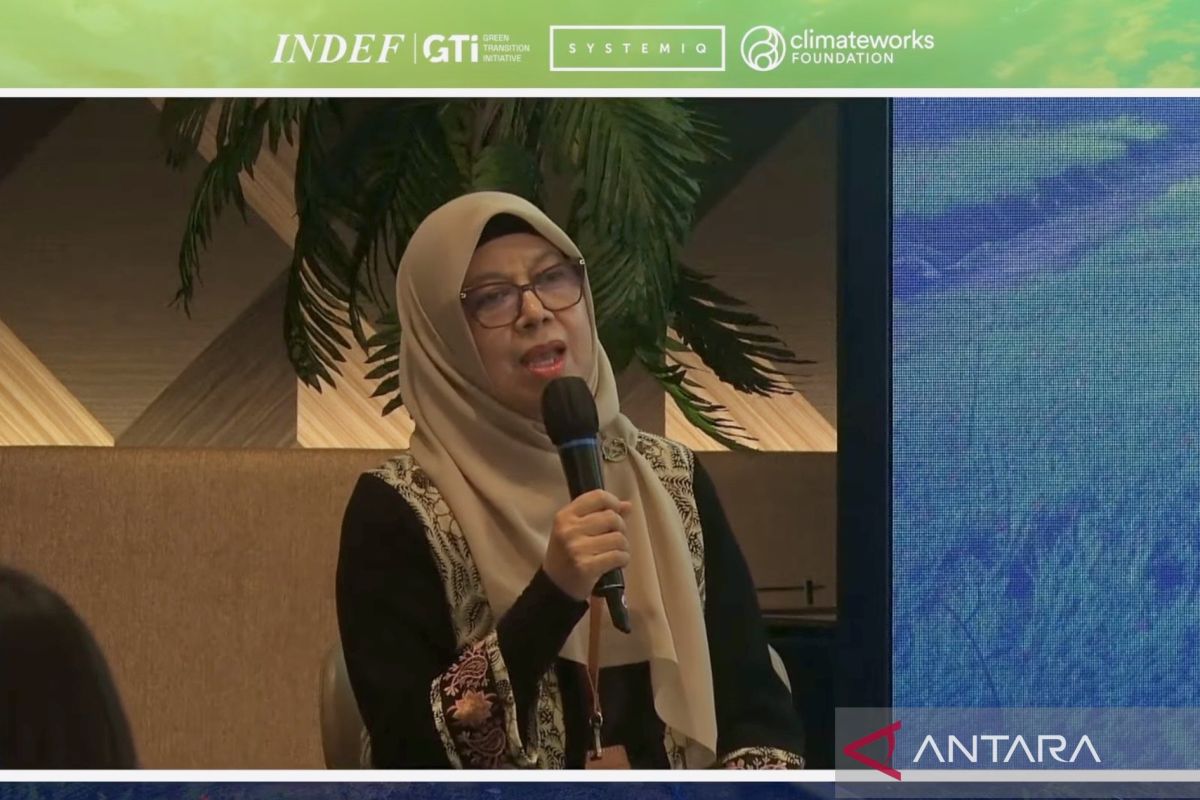
Jakarta (ANTARA) - The Ministry of Energy and Mineral Resources (ESDM) emphasises the importance of integrating the development of new and renewable energy (EBT) or green energy with industrial access and needs. “If we look at the development of energy and industry, they are still not integrated, so even now there are still many industries that actually need renewable energy, but they cannot obtain it,” said Director of Strategic Electricity Development at the Ministry of ESDM, Andriah Feby, during a public discussion in Jakarta on Tuesday. Feby stated that currently, there are already many regulations to encourage EBT development in Indonesia, along with targets and potentials of EBT sources. One of them is the Electricity Supply Business Plan (RUPTL) 2025-2034, which serves as a strategic reference for the national electricity system development over the next 10 years. Based on that plan, the total addition of power plants over the next decade is 69.5 gigawatts (GW), with the share of new renewable energy (EBT) mix reaching 76 percent, making the RUPTL 2025-2034 the greenest yet. The government has set the EBT and energy storage system mix at 76 percent or 52.9 GW from the total additional power plant capacity, consisting of solar power plants at 17.1 GW, hydropower 11.7 GW, geothermal 5.2 GW, bioenergy 0.9 GW, and nuclear energy 0.5 GW. These green power plants are also supported by an energy storage system of 10.3 GW, comprising pumped storage from hydropower plants (PLTA) at 6 GW and battery energy storage system (BESS) at 4.3 GW. Meanwhile, the fossil energy share only covers 24 percent of the total additional capacity, consisting of gas-fired plants at 10.3 GW and coal at 6.3 GW. “Well, this is what perhaps from the planning side we must integrate between industrial needs and the energy development plan,” said Feby. The development of clean energy, she continued, could be considered through the creation of special EBT zones (renewable energy zones), which are expected to serve as a collaborative platform for relevant ministries/institutions to accelerate future energy development. “Hopefully, the industrial need for clean energy can be easier and faster,” she said.