
Ministry of Energy and Mineral Resources and BMKG Integrate Data to Strengthen Energy Resilience
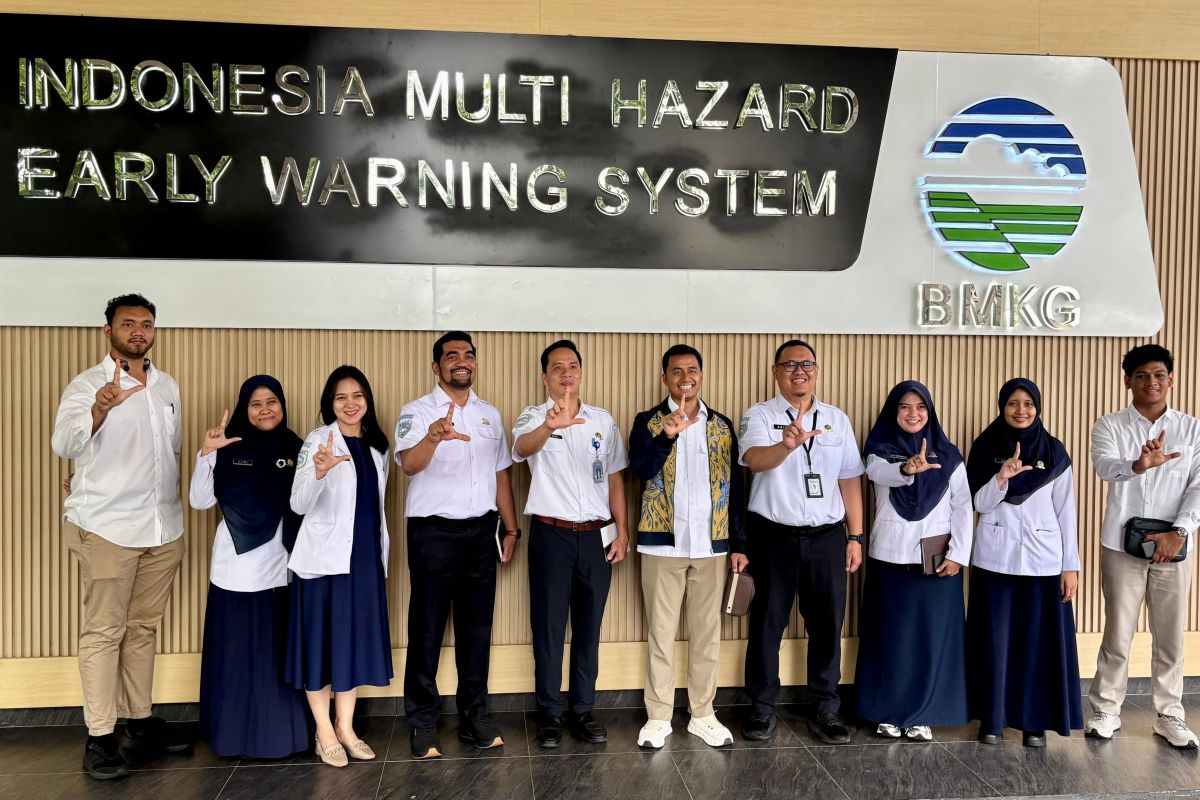
The collaboration is intended to provide accurate data support for contractors of cooperation contracts. Jakarta (ANTARA) - The Ministry of Energy and Mineral Resources (ESDM) and the Meteorology, Climatology, and Geophysics Agency (BMKG) are optimising the utilisation of weather and maritime data to strengthen national energy resilience. Expert Staff to the Minister of ESDM for the Commercialisation and Transportation of Oil and Natural Gas, Satya Hangga Yudha Widya Putra, in his statement in Jakarta on Tuesday, emphasised the importance of data synchronisation between BMKG and the Ministry of ESDM to support operational efficiency in the upstream oil and gas sector, minerals and coal, new energy, renewables, and energy conservation (EBTKE), as well as electricity. “This collaboration is to provide accurate data support for contractors of cooperation contracts, accelerate the energy transition, and safeguard national energy sovereignty through the use of Merah Putih data,” he said. According to him, the utilisation of a monitoring system for 30,000 ships in cooperation with the Ministry of Transportation and credible data from BMKG, including wind and solar potential, rainfall, wind, lightning, earthquakes, waves, and sea swells, is greatly needed by the ESDM sector. Hangga also stated that the government is currently pursuing a target of building 100 GW of solar power plants (PLTS) within the next 2-3 years, a significant increase from the current capacity of 1.5 GW. In addition, the dedieselisation programme in the outermost, underdeveloped, and frontier regions (3T) is being prioritised to replace high-cost diesel power plants (PLTD) with more competitive small-scale PLTS solutions. Hangga continued that in efforts to achieve energy self-sufficiency in line with the Astacita vision, the government ensures that diesel for industrial needs is now fully met from domestic production through biodiesel mandates. “The fatty acid methyl ester (FAME) blend, currently at 40 per cent (B40), is planned to increase to 50 per cent (B50) on 1 July 2026,” he said during a working visit to BMKG in Jakarta on Monday (4/5/2026). Meanwhile, to reduce the national LPG deficit, the government is encouraging a gradual shift from 3 kg LPG to CNG, given Indonesia’s surplus of C1 and C2 gas. “This downstreaming strategy is overseen by the Downstreaming and National Energy Resilience Task Force led by the Minister of ESDM and is expected to become an engine of economic growth up to 8 per cent,” Hangga explained. Meanwhile, Director of Maritime Meteorology at BMKG, Agie Wandala Putra, stated that BMKG’s war room system, which is connected to 38 provinces, is ready to provide full support to the national energy sector through the provision of high-accuracy maritime meteorological data. “We are committed to ensuring real-time data integration, including SIDARMA Nowcast and INA-SIAM Aviation Weather services, can be accessed even in remote mining locations to mitigate operational risks,” he said.