
Ministry of Culture to Hold Nusantara Heritage Procession 2026 in Borobudur Temple Area
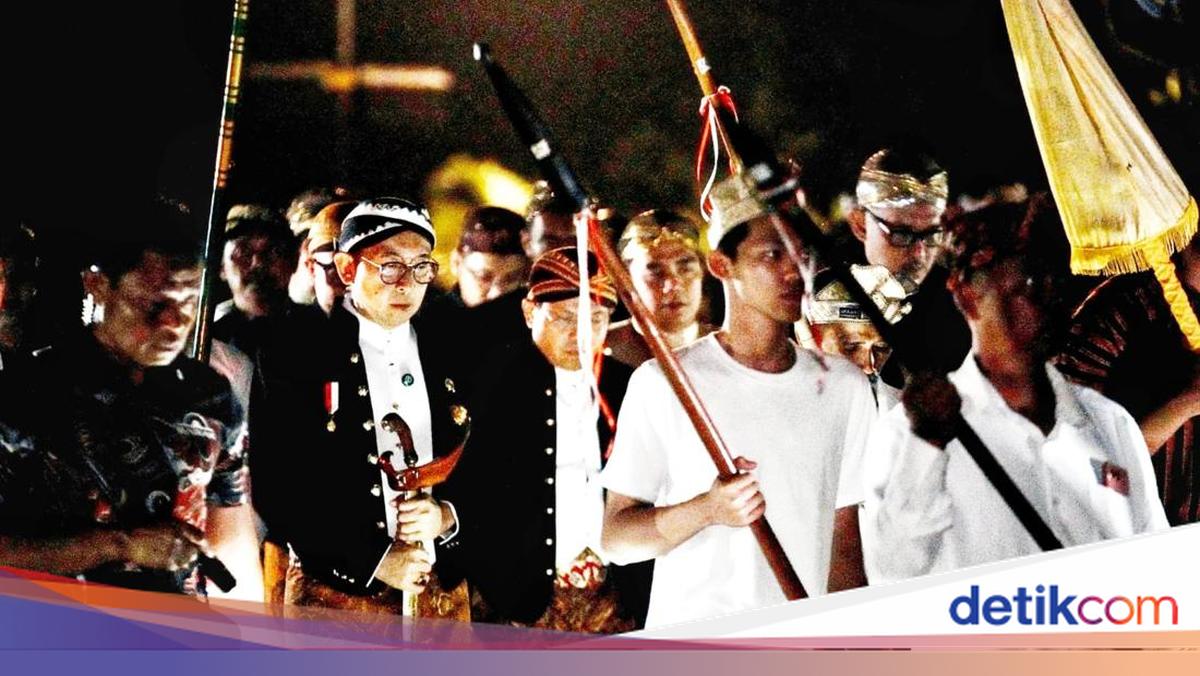
The Indonesian Ministry of Culture (Kemenbud), through the Museum and Cultural Heritage as well as the Directorate of Fostering Faith in the One God and Indigenous Communities (BKMA), is organising the Nusantara Heritage Procession in 2026 at the Borobudur area in Central Java. This event forms part of the commemoration of National Keris Day and World Heritage Day, while also serving as an effort to strengthen the preservation of culture as a living heritage. The Nusantara Heritage Procession provides a space for cultural expression that brings together traditions, heirlooms, and active community participation. Involving representatives from 20 supporting villages in the Borobudur area, the activity reflects the important role of the community in maintaining the continuity of cultural values. As one of the World Heritage sites, Borobudur not only holds historical and archaeological value but also serves as a living and developing centre of cultural interaction within the community. Culture Minister Fadli Zon, in his remarks, expressed his enthusiasm because this procession is the first ever held in the Borobudur Temple area, involving all stakeholders related to cultural heritage from cultural figures, artists, and also the 20 villages around the Borobudur region, and even from outside Magelang City. Furthermore, Fadli stated that amid Borobudur’s position as an icon of civilisation and a global tourism destination, the organisation of this procession affirms that the strength of the Borobudur area lies not only in the grandeur of its temple. But also in the heirloom traditions, noble values, rituals, arts, customs, and collective memory still upheld by the community. “Hopefully (in the future) we can organise even more cultural activities, because Borobudur is also a living heritage. Religious and cultural activities are an inseparable part of Indonesian society,” Fadli hoped, in a written statement on Monday (19/4/2026). “We hope that with the improving services at Borobudur Temple, it becomes better known, more accessible for people with disabilities, friendly to seniors, and of course for people from various backgrounds,” he added. According to Fadli, the extraordinary spirit of mutual cooperation from the community of the 20 villages in Borobudur is important. “We hope the spirit of mutual cooperation we witnessed today can be continued to advance us together. The existence of Borobudur Temple must be felt together, including its benefits for the community around Borobudur and the wider community throughout Indonesia,” Fadli said. The Nusantara Heritage Procession is organised with the participation of around 1,000 participants, involving village representatives and cultural communities. The event begins at the Beringin Gate, followed by a cultural procession carrying heirlooms to the Kenari Terrace. The series of activities continues with interfaith prayers and cultural rituals, as well as the handover of conservation seedlings as a symbol of sustainability in preservation. The event concludes with a communal feast or shared meal (umbul bojono), reflecting values of togetherness and harmony. The 2026 Nusantara Heritage Procession serves as an important momentum in strengthening synergy between the government, communities, and society in safeguarding the nation’s cultural heritage, while also presenting an authentic cultural experience in the Borobudur area. Through the Nusantara Heritage Procession, Kemenbud hopes to increase public awareness of the importance of cultural preservation, while also strengthening Borobudur’s position as a world cultural destination. Active participation from the supporting village communities is expected to become the main foundation in maintaining the sustainability of cultural heritage, as well as encouraging the development of tourism based on local wisdom that is inclusive and sustainable.