
Ministry of Culture Strengthens Cross-Sector Synergy for Cultural Ecosystem
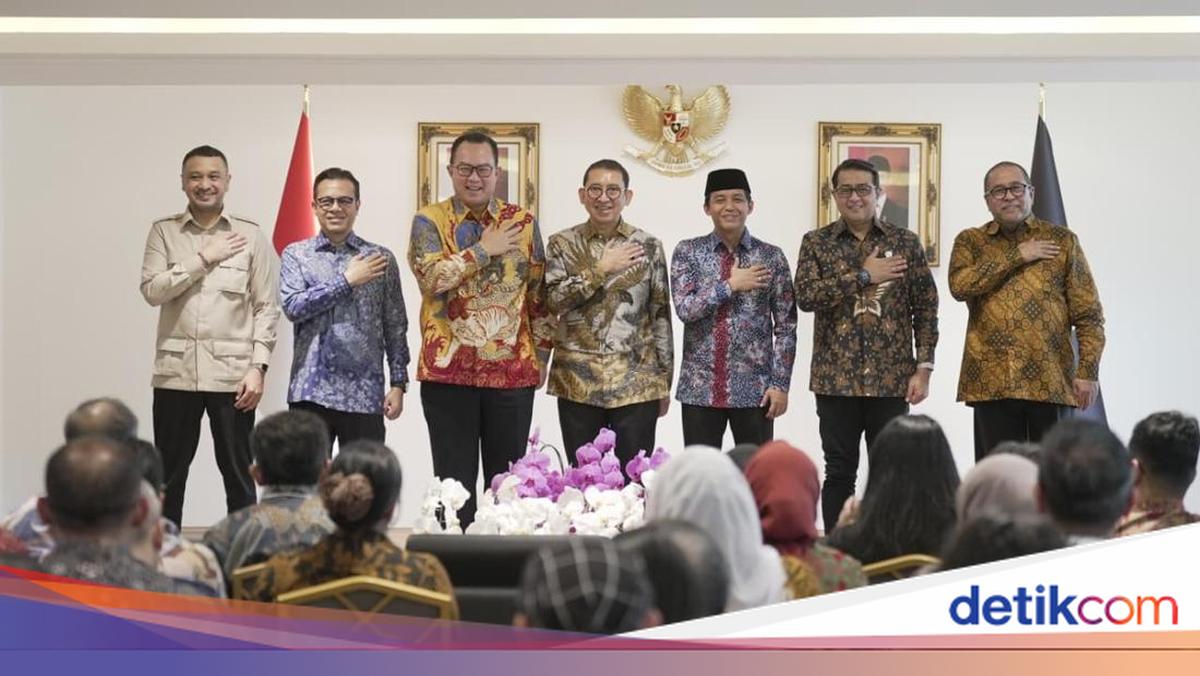
In order to strengthen synergy and the legal foundation for orchestrating Indonesia’s national cultural ecosystem, the Ministry of Culture has signed cooperation agreements with several ministries and agencies as well as regional governments. The initiative is themed “Cross-Sector Synergy: Building an Advanced, Integrated, and Dignified Cultural Ecosystem”.
During the event, the Ministry of Culture signed several cooperation documents with strategic partners, namely:
- The Ministry of Communication and Digital concerning synergy in the implementation of tasks and functions in culture and communication and information; (2) The Ministry of Forestry concerning synergy in the implementation of tasks and functions; (3) The Ministry of Creative Economy/Creative Economy Agency concerning synergy in developing creative economy and advancing culture; (4) The National Research and Innovation Agency concerning synergy in the implementation of tasks and functions in research, innovation, and culture; and (5) The Jakarta Provincial Government concerning acceleration of cultural advancement, preservation of cultural heritage, and museum development.
The signing of the cooperation agreements took place on Tuesday, 10 March at the Ministry of Culture office in Jakarta, and was attended by the leaders of the ministries and agencies as well as representatives of regional governments who are partners in this collaboration.
Culture Minister Fadli Zon explained that the signing of these cooperation agreements represents an initial step to strengthen cross-sector coordination, so that cultural programmes can be implemented more effectively down to the technical level.
“This cooperation agreement serves as an umbrella. At the tactical and technical levels below, we can carry out various alignments, harmonisation, and mutually supportive activities to advance our national culture,” he stated in a written statement on Wednesday, 11 March 2026.
Fadli also emphasised that the constitutional mandate places culture as an important foundation for national development.
“Article 32 of the 1945 Constitution states that the state advances Indonesian national culture in the midst of world civilisation whilst guaranteeing that society maintains and develops its cultural values. The state referred to is of course not just the Ministry of Culture, but all stakeholders, central and regional governments, and even the private sector, which share responsibility for advancing our culture,” he explained.
Furthermore, he stressed the importance of utilising digital technology in managing national cultural assets. The Ministry of Culture is currently undertaking verification and digitalisation of various collections and cultural assets, including museum collections at national and regional levels.
Cooperation with the National Research and Innovation Agency is deemed important for strengthening cultural research, including research that uncovered the world’s oldest cave painting discovery in Indonesia, estimated at approximately 67,800 years old. Meanwhile, synergy with the Ministry of Forestry is necessary because many archaeological sites and prehistoric caves are located in forest areas and therefore require collaboration in research, protection, and preservation.
Fadli added that cultural advancement must also be connected with strengthening cultural economy and the creative industries. This can be achieved through revitalisation of heritage assets and buildings so that they can be utilised as spaces for cultural activities whilst promoting tourism and the creative economy.
In addition, Creative Economy Minister Teuku Riefky Harsya emphasised the importance of collaboration in preserving cultural heritage whilst adding economic value to communities. According to him, technological support and digital platforms can open wider opportunities for works by the nation’s children to be known and appreciated, both at national and global levels.
Forestry Minister Raja Juli Antoni viewed forests not only as natural landscapes but also as cultural landscapes. He also highlighted the important role of indigenous peoples as part of the nation’s cultural wealth. He expressed hope that this commitment can be realised through concrete programmes in the synergy of tasks and functions between the Ministry of Forestry and the Ministry of Culture.
Meanwhile, BRIN Chief Arif Satria and Deputy Minister of Communication and Digital Nezar Patria highlighted the importance of strengthening research that places culture as strategic data. This collaboration is deemed to open opportunities for uncovering historical discoveries and digitalising cultural data so that it is more easily accessible to the public, whilst also supporting efforts to reconstruct and preserve damaged cultural objects.
Appreciation was also expressed by Jakarta Vice Governor Rano Karno. He assessed that the collaboration can strengthen efforts to advance culture through protection, development, utilisation, and development of human resources, whilst also encouraging improvements in achieving the Cultural Development Index.
The signing of these cooperation documents is expected to further strengthen the role of the Ministry of Culture as a conductor in orchestrating the national cultural ecosystem. Through collaboration with strategic partners, this step is expected to ensure that cultural policies have real, measurable, and sustainable impact on advancing Indonesian culture.