
Ministry of Creative Economy and Ministry of Culture Agree to Strengthen Cultural Advancement Synergy
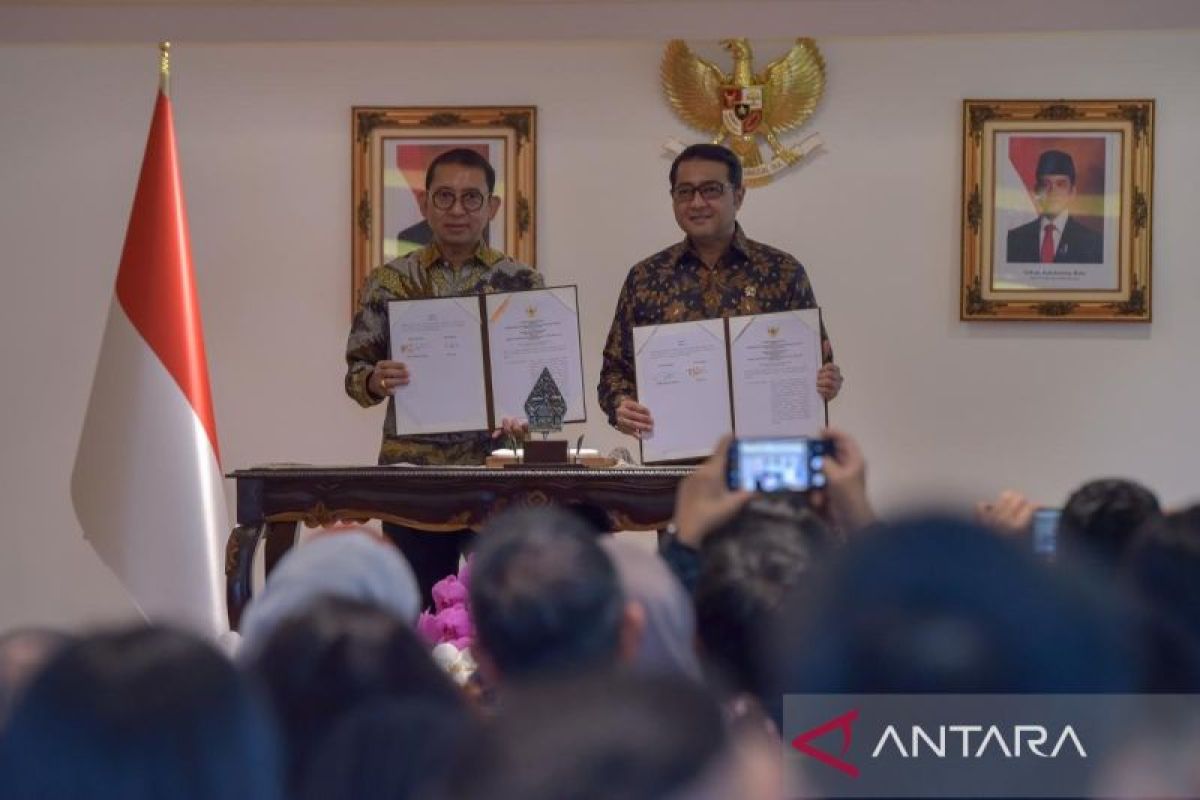
Jakarta — Indonesia’s Ministry of Creative Economy/Creative Economy Agency and Ministry of Culture have agreed to strengthen cross-sectoral synergy in the protection, development, utilisation, and fostering of culture in a holistic and sustainable manner to realise synergy between creative economy development and cultural advancement.
“Exceptional cultural wealth serves as the primary source of inspiration for many creative products such as films, music, fashion, crafts, culinary arts, and digital content. The Ministry of Creative Economy regards culture as one of the important foundations for creating creative works that not only possess economic value but also carry a strong Indonesian identity,” stated Creative Economy Minister Teuku Riefky Harsya, as confirmed in Jakarta on Wednesday.
The agreement is embodied in a Memorandum of Understanding (MoU) signed at the Ministry of Culture’s office in Jakarta between Creative Economy Minister/Head of Creative Economy Agency Teuku Riefky Harsya and Culture Minister Fadli Zon.
Minister Riefky also expressed hope that the ecosystem connecting culture as a source of inspiration and the creative industries as an economic driver can grow increasingly strong. Thereby, Indonesia’s cultural wealth becomes more sustainable whilst providing broader economic benefits to Indonesian society.
The scope of collaboration ranges from synchronisation and support of policies and programmes for creative economy development and cultural advancement, implementation of cultural and creative economy diplomacy, enhanced protection and facilitation of intellectual property in creative economy and cultural advancement.
Culture Minister Fadli Zon stated that the MoU serves as an umbrella that can be aligned in collaborative activities. He noted that this synergy is necessary given Indonesia’s vast cultural diversity encompassing 1,340 ethnicities, 708 languages, and 2,727 intangible cultural heritage assets registered with the Ministry of Culture, with potential extending to tens of thousands more across all Indonesian regions.
“UNESCO has recorded approximately 16 of our cultural assets, ranging from intangible cultural heritage such as wayang, keris, angklung, pinisi, gamelan, pencak silat, Balinese dance, Acehnese dance, pantun, jamu, Reog Ponorogo, kolintang, kebaya, and this year we are promoting two more to be announced at year’s end—namely tempeh as a cultural expression and Makyong. For this reason, we also view these cultural assets as needing to be registered as intellectual property,” said the Culture Minister.