
Ministry of Basic and Secondary Education: Revitalisation of Vocational Schools Absorbs Dozens of Local Workers
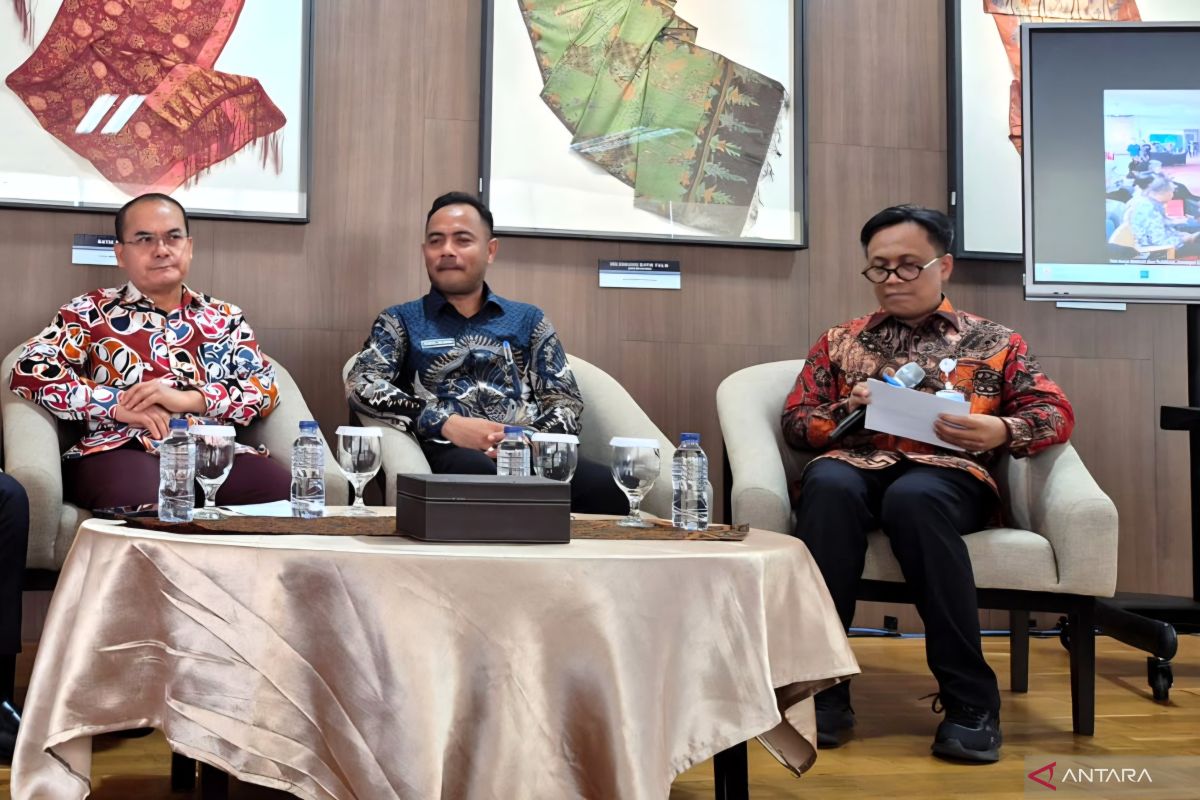
Jakarta (ANTARA) - The Ministry of Basic and Secondary Education (Kemendikdasmen) states that the revitalisation programme for educational units at the vocational secondary education (SMK) level absorbs dozens of workers, the majority of whom are from the communities around the schools, thereby directly impacting the improvement of the local economy.
Director General of Secondary Education and Special Education (Dirjen Dikmen Diksus) of Kemendikdasmen, Tatang Muttaqin, said that the educational unit revitalisation programme, including at the SMK level, is carried out through a self-managed scheme involving local workers.
“In a single school project, the number of workers involved can reach 22 to 34 people. So, the economic impact is directly felt in the area,” said Tatang during an event titled Casual Discussion on the Real Impact of Educational Unit Revitalisation and Strengthening Literacy through Comfortable Library Facilities, at the National Library in Central Jakarta on Tuesday.
In addition to absorbing local workers, he said, the educational unit revitalisation programme also absorbs various construction materials purchased from areas around the school.
Regarding the objectives of revitalisation at the SMK level, Tatang said that SMK revitalisation is no longer solely focused on school building repairs.
His side is also striving to build a vocational education system that aligns with industry and labour market needs.
He added that limited practical space remains a major issue in many SMKs, even though the vocational learning model heavily emphasises direct practice and project-based learning.
Tatang mentioned that around 60 percent of SMKs in Indonesia previously experienced a shortage of practical spaces.
As a result, he said, many schools have had to implement divided learning hours until the afternoon due to limited classroom and practical facilities.
“In some areas, a state SMK can accommodate 2,000 to 3,000 students. Due to limited facilities, learning activities are forced to be split until the afternoon,” he said.
Therefore, Kemendikdasmen is currently focusing revitalisation on building new practical spaces so that the learning process is more optimal.