
Ministry of Basic and Secondary Education boosts literacy and numeracy for children in 6 cities
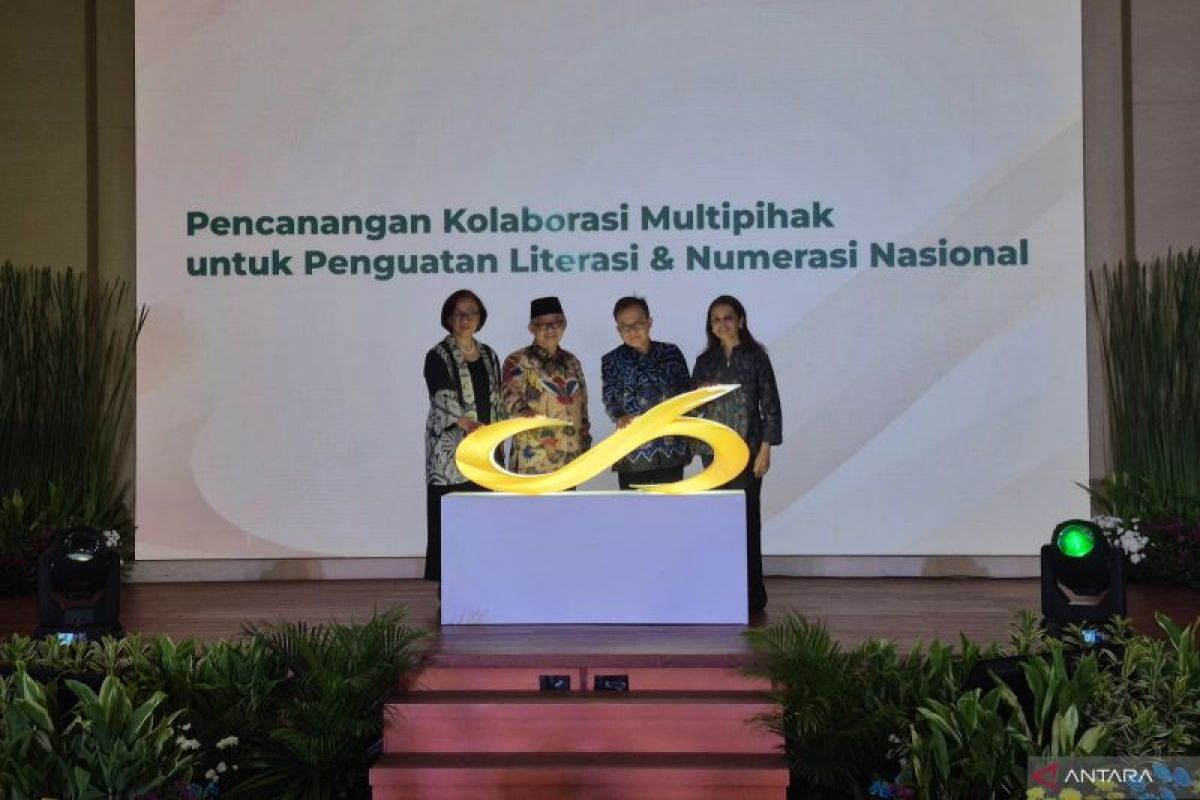
Not only teacher training, the ministry stated that Kemendikdasmen will also monitor how the programme is implemented. Jakarta (ANTARA) - The Ministry of Basic and Secondary Education (Kemendikdasmen), together with several partners, is striving to improve children’s literacy and numeracy abilities at the primary education level through a pilot project held in six districts/cities in Indonesia. “We have just launched a collaborative programme between Kemendikdasmen and the Tanoto Foundation, with UNICEF and the Global Gates Foundation, as well as six local governments, to enhance literacy and numeracy at the primary education level. This programme is a sustainable collaboration that, God willing, we will implement until 2029,” said the Minister of Basic and Secondary Education (Mendikdasmen) Abdul Mu’ti in Jakarta on Thursday. Mendikdasmen stated that this programme is a joint effort to address the problems still faced regarding Indonesian children’s literacy and numeracy levels. In addition, he continued, this activity is also a step to tackle the phenomenon of learning loss, learning poverty, and various achievements in Programme for International Student Assessment (PISA) scores and academics that are not yet at the expected level. Abdul Mu’ti revealed that more than 500 schools will be involved in this programme. Not only teacher training, he mentioned that Kemendikdasmen will also monitor how the programme is implemented, how to ensure that learning aligns with deep learning in textbooks, and various aspects related to improving literacy and numeracy to run successfully. Furthermore, Country Head of Tanoto Foundation Inge Kusuma explained that the programme will be implemented in four provinces representing Indonesia’s regional diversity, namely North Sumatra (Medan City and Pematangsiantar City), Jambi (Batang Hari Regency), Central Java (Tegal Regency), and East Nusa Tenggara (Sikka Regency and Ende Regency). “How the data is used to map the success of children’s learning. If it’s lacking, what needs to be done? If it’s achieved, what needs to be done? So, hopefully, this can truly support what has been planned by the government,” said Inge Kusuma.