
Ministry of Basic and Secondary Education: 386 Eastern Indonesia Vocational Schools Revitalised to Improve Educational Quality
This programme is a major strategy to improve access and quality, in order to prepare a competent and competitive generation.
Jakarta (ANTARA) – The Ministry of Basic and Secondary Education (Kemendikdasmen) stated that the School Revitalisation and Digital Learning Programme is a major strategy to improve access and quality of education throughout the country.
“This programme is a major strategy to improve access and quality, in order to prepare a competent and competitive generation,” said the Director General of Vocational Education, Special Education, and Special Services Education at Kemendikdasmen, Tatang Muttaqin, in Jakarta on Wednesday.
It is known that the revitalisation programme, which has been implemented since 2025, has been implemented throughout the country, including in vocational schools (SMK) in the Eastern Indonesia Region (KTI).
A total of 389 SMK in KTI have received interventions from the programme in stages, with a total budget of more than Rp649 billion.
It is known that both programmes not only improve physical buildings, but also strengthen technology-based learning ecosystems by providing more adequate learning spaces, while also ensuring that these spaces are connected to digital advancements.
Limited learning facilities, inadequate building conditions, and a lack of supporting resources for the teaching and learning process are some of the serious challenges often faced by SMK in the KTI region. In addition, geographical conditions, local transportation, and weather pose their own challenges.
Through the School Revitalisation Programme, the facilities needed by SMK, such as Student Practice Rooms (RPS), classrooms, toilets, and other facilities, are repaired and rebuilt to create a safe and comfortable school.
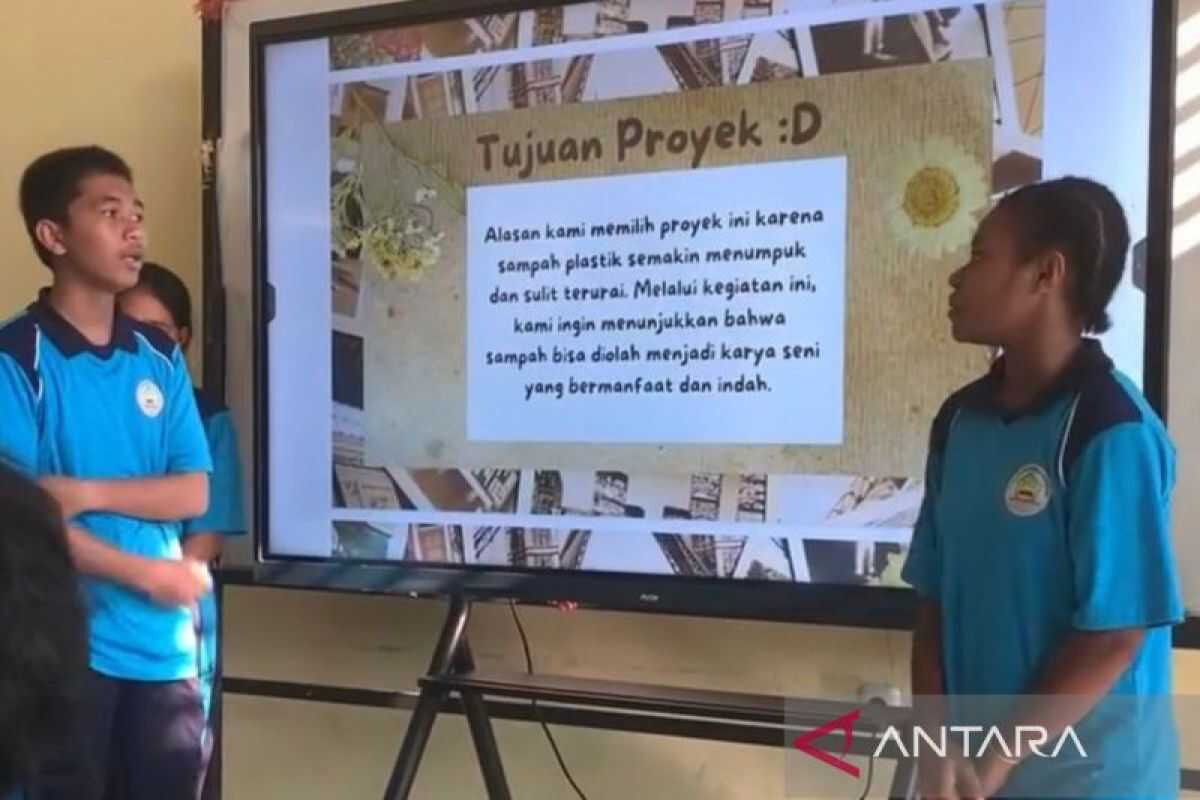
The use of PID (presumably a digital learning platform) in the classroom makes learning more interactive and provides new opportunities to access a wider range of learning resources.
The head of SMK Gotong Royong Tobelo, North Halmahera, North Maluku, Petronela Baranyanan, said that the provision of PID to the school has made the learning atmosphere at the SMK more vibrant.
Initially, she said, learning activities in the classroom were more focused on the teacher. With the use of PID, students have become more enthusiastic and interested in finding out and explaining the results they have obtained.
“Learning can become more contextual. The menus available in the PID make it easier for students, so they are more enthusiastic to participate in learning, especially during group discussions because they can create visual learning materials in the PID,” said Petronela Baranyanan.