
Ministry of Agriculture strengthens palm oil downstream processing as Indonesia's mainstay in global market
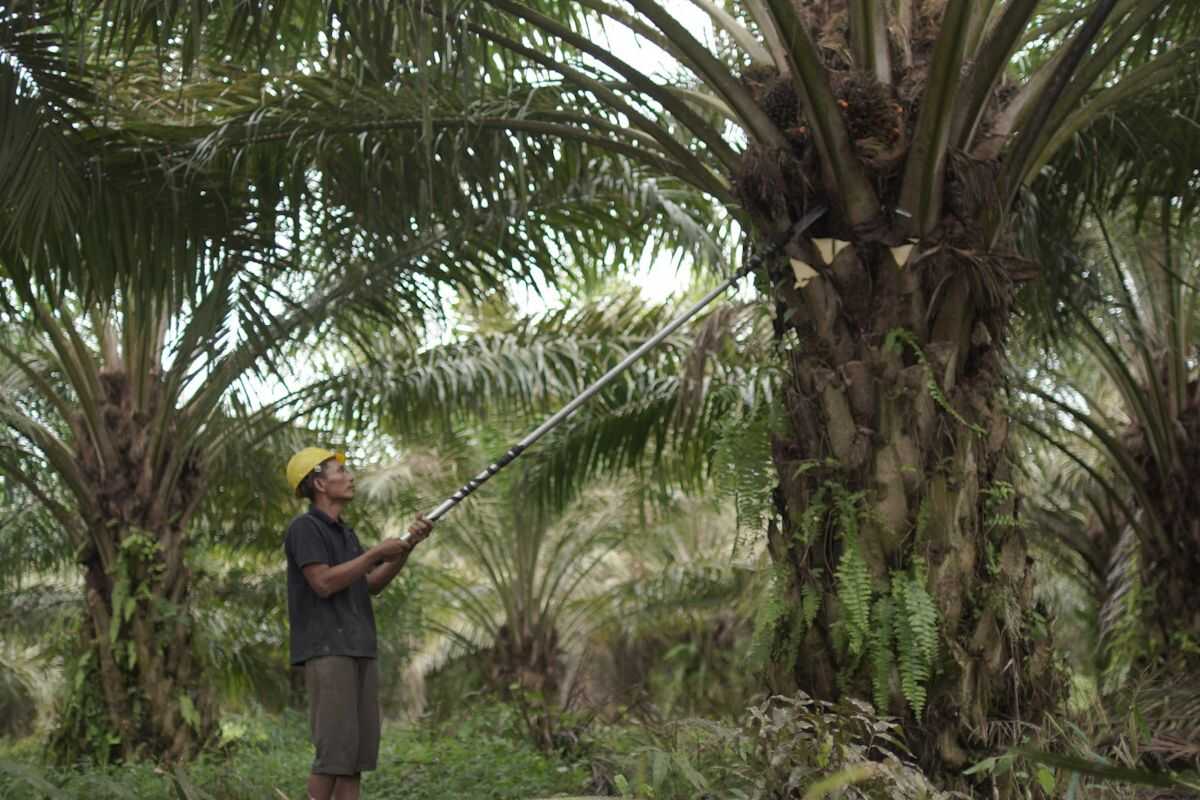
Jakarta – The Ministry of Agriculture (Kementan) is accelerating and strengthening palm oil downstream processing to increase value-added domestically and reinforce Indonesia’s position in the global market.
Minister of Agriculture Andi Amran Sulaiman stressed that palm oil is one of the pillars of the national economy that must be managed optimally and sustainably.
“Palm oil is one of Indonesia’s great strengths. It has high productivity, is efficient in land use, and is capable of driving the economy from villages to large-scale industries,” said Amran in a statement in Jakarta on Saturday.
With the highest productivity among other vegetable oils, land use efficiency, and substantial contribution to state foreign exchange, the commodity is often referred to as a “miracle crop” that is a mainstay of the national economy.
Based on data from the Directorate General of Estate Crops’ statistical publication, the Ministry of Agriculture recorded Indonesia’s palm oil cultivation area at 16.83 million hectares in 2024 and 2025 (preliminary figures).
In 2024, national crude palm oil (CPO) production reached 45.44 million tonnes with average productivity of 3.5 tonnes per hectare. In the same year, four provinces were the largest contributors to national palm oil production.
Riau Province recorded production of 9.14 million tonnes. Followed by West Kalimantan with production of 4.96 million tonnes, Central Kalimantan with production of 7.46 million tonnes, and East Kalimantan with production of 3.90 million tonnes.