
Ministry of Agriculture strengthens ISPO for sustainable palm oil industrialisation
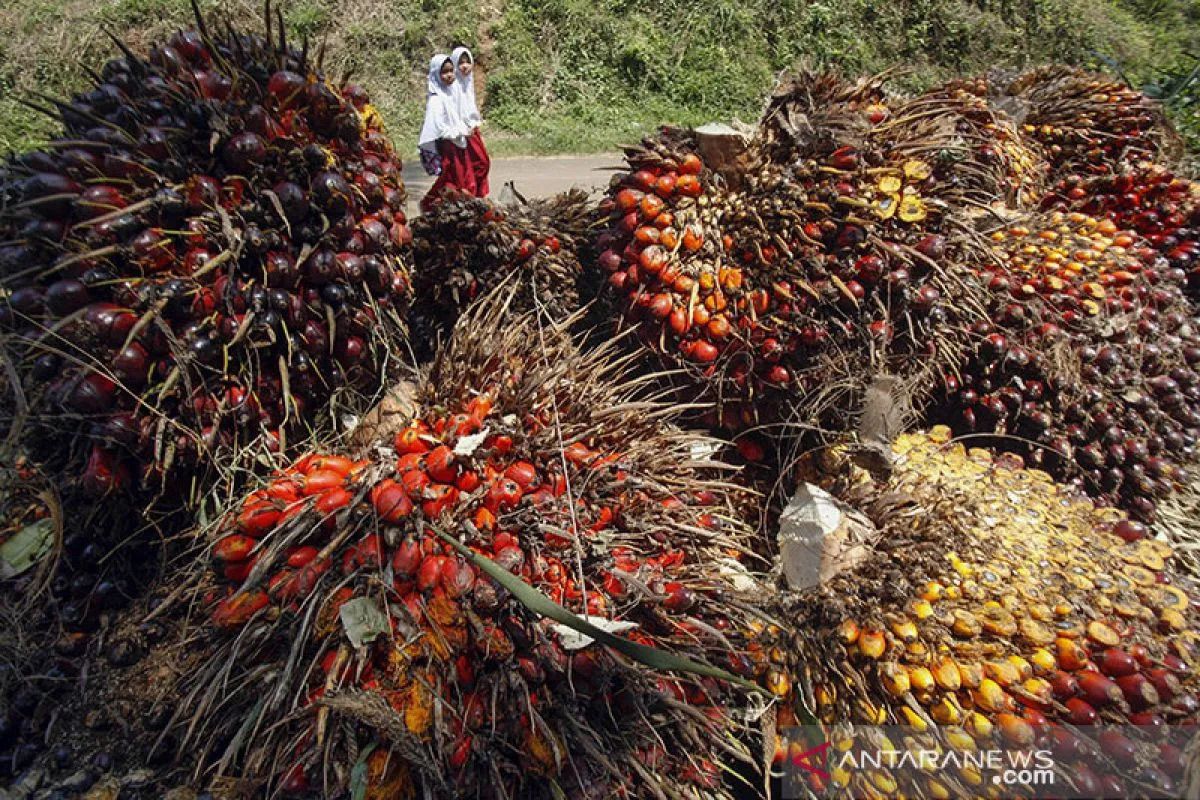
Indonesia must not fall behind. Palm oil is the nation’s economic strength. For this reason, governance must be robust and sustainable, and must be driven towards downstream industrialisation so that economic benefits are more widely distributed to society.
Jakarta (ANTARA) — The Ministry of Agriculture (Kementan) is strengthening the implementation of Indonesian Sustainable Palm Oil (ISPO) to promote sustainable palm oil industrialisation whilst safeguarding the competitiveness of the national palm oil industry.
“The Ministry of Agriculture continues to strengthen governance of the national palm oil industry through the implementation of the ISPO standard, which is now mandatory,” said Minister of Agriculture Andi Amran Sulaiman in a statement in Jakarta on Tuesday.
He stated that this policy represents a strategic step to ensure that Indonesia’s palm oil industry grows sustainably whilst maintaining competitiveness amid pressure and the dynamics of the global market.
He stressed that strengthening sustainability standards represents an important foundation for the future of the national palm oil industry.
“Indonesia must not fall behind. Palm oil is the nation’s economic strength. For this reason, governance must be robust and sustainable, and must be driven towards downstream industrialisation so that economic benefits are more widely distributed to society,” said Amran.
According to him, the transformation of the plantation subsector, particularly palm oil, must be directed towards the development of downstream industries that possess high added value.
In this way, Indonesia will no longer rely solely on exports of raw materials, but will be able to strengthen its position as a global centre for palm oil downstream industries.
The area of national palm oil plantations reached 16.83 million hectares, with projections for crude palm oil (CPO) production in 2025 estimated at 48.12 million tonnes.
With this capacity, Indonesia remains the world’s largest palm oil producer and plays an important role in meeting global vegetable oil demands.
In addition to providing a significant contribution to state revenue, the palm oil sector also serves as a livelihood source for millions of people.
Roni added that the government continues to strengthen mentoring for planters through various strategic programmes, including a palm oil rejuvenation programme, support for production facilities and infrastructure, enhancement of human resource capacity, and strengthening of research and innovation to increase productivity and output quality.
“Palm oil absorbs a lot of labour. For this reason, productivity and sustainability must go hand in hand,” he said.
Through strengthening of the ISPO standard and acceleration of downstream industry development domestically, the government is optimistic that Indonesia’s palm oil industry will be increasingly resilient in facing global dynamics.