
Ministry of Agriculture Prepares Free Maize Seeds for 1 Million Hectares
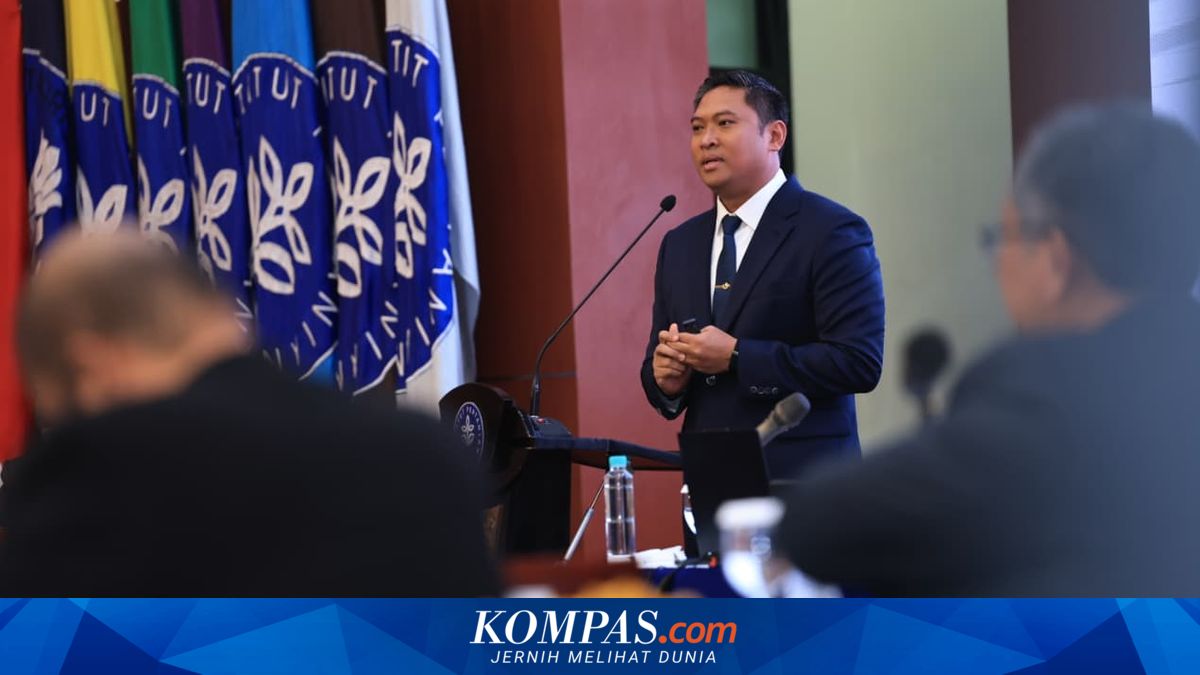
JAKARTA — Deputy Minister of Agriculture Sudaryono, commonly known as Mas Dar, has announced that the government has allocated free maize seeds for 1 million hectares of farmland.
Mas Dar stated that the assistance is being deployed to boost national maize production growth and achieve maize self-sufficiency.
He communicated this information during the coordinated first-quarter maize planting ceremony in Ogan Ilir, South Sumatra, on Saturday, 7 March 2026.
“The Ministry of Agriculture has prepared free maize seeds for 1 million hectares of land from a total of approximately 2.5 million hectares of national maize farmland,” Mas Dar said in an official statement on Monday, 9 March 2026.
To ensure all aspects are properly addressed, the Ministry of Agriculture has announced several strategic measures. These include providing free maize seeds to farmers across 1 million hectares, representing nearly half of the total cultivated area.
“In agriculture, there are four key elements: seeds, water or irrigation, fertiliser, and after harvest, the price must be purchased at a fair rate,” Mas Dar explained.
The programme will continue in subsequent years.
The government has also streamlined regulations governing subsidised fertiliser distribution, making it easier and faster for farmers to obtain. “A further price reduction of approximately 20 per cent has been provided,” Mas Dar noted.
Meanwhile, the government has also guaranteed paddy purchase prices so farmers remain profitable. “The government has established harvest purchase prices at Rp6,500 per kilogramme for rice and Rp5,500 per kilogramme for maize,” Mas Dar said.
At the same occasion, National Police Chief General Listyo Sigit Prabowo described the coordinated maize planting as an effort to achieve food self-sufficiency amid geopolitical volatility.
Sigit stated that the coordinated maize planting programme is being expanded to increase production volume. “We have already planted more than 600,000 hectares with a production potential of approximately 3.9 to 4 million tonnes. Going forward, the target is to reach planting of up to 1 million hectares or more,” he explained.