
Ministry of Agriculture Distributes 5.9 Billion Sugar Cane Seeds to Achieve Sugar Self-Sufficiency
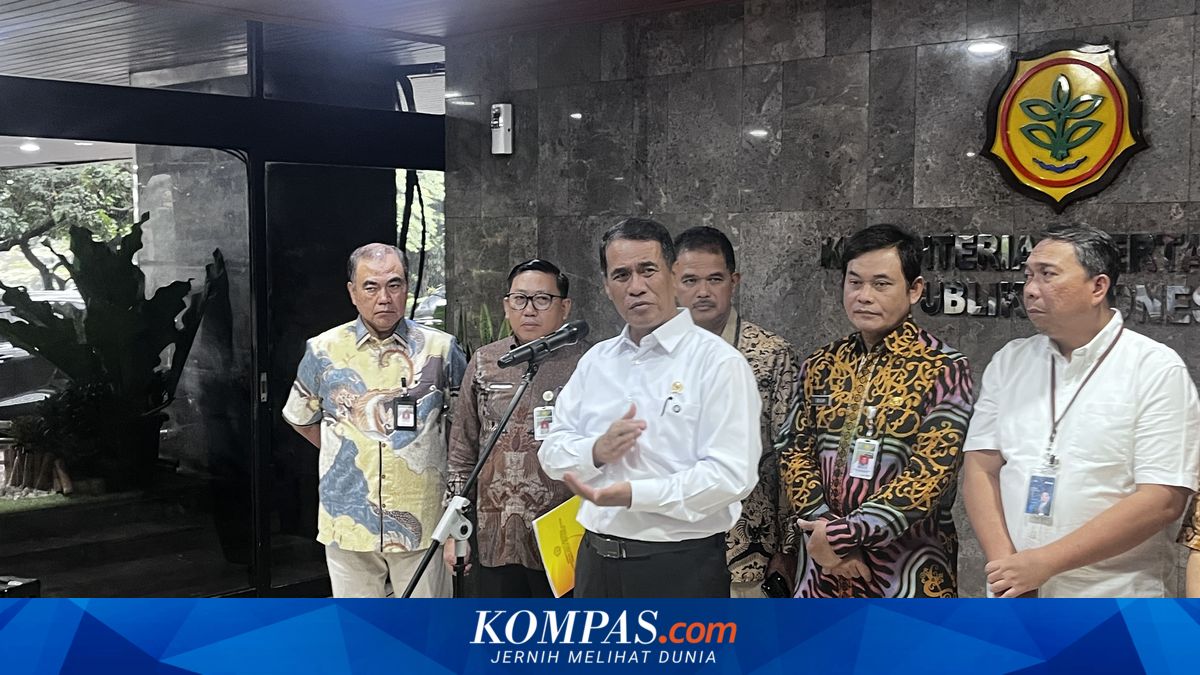
Jakarta — The Ministry of Agriculture is distributing 5.9 billion sugar cane seedlings to pursue sugar self-sufficiency across the nation.
Agriculture Minister Andi Amran Sulaiman stated that the billions of seedlings will be planted across 99,547 hectares of land in 74 districts spanning 10 provinces.
The government is undertaking comprehensive reforms of the sugar cane plantation sector, which is classified as a priority commodity, to achieve sugar self-sufficiency.
“We are making improvements from upstream to downstream, starting from seeds, planting patterns, processing systems, to marketing aspects,” Amran said in an official statement on Thursday (12 March 2026).
The government targets national sugar production to surge to 3 million tonnes by 2026.
The target follows land expansion and optimisation of national sugar cane plantations to support national food security.
“The goal is straightforward — farmers must earn profits,” said Amran.
The Ministry of Agriculture noted that the acceleration of sugar self-sufficiency efforts commenced in 2025.
The Directorate General of Plantations, Ministry of Agriculture, has distributed 1,925,760,000 sugar cane seedlings with cultivation area expansion of 32,096 hectares.
The Ministry of Agriculture calculates a requirement of 60,000 seedlings per hectare distributed across 56 districts in 7 provinces.
Acting Director General of Plantations Abdul Roni Angkat stated that a supply of superior-quality seeds is critical in boosting sugar cane production from the source. Through this programme, the government aims to ensure farmers gain access to high-quality seeds.
Roni emphasised that the directorate continues to boost sugar cane production through land expansion and optimisation of existing operating plantations.
“This will increase productivity and sugar content in sugar cane,” Amran noted.