
Ministry of Agriculture: CPO Production Ensures Safe Cooking Oil Supply Ahead of Ramadan and Eid
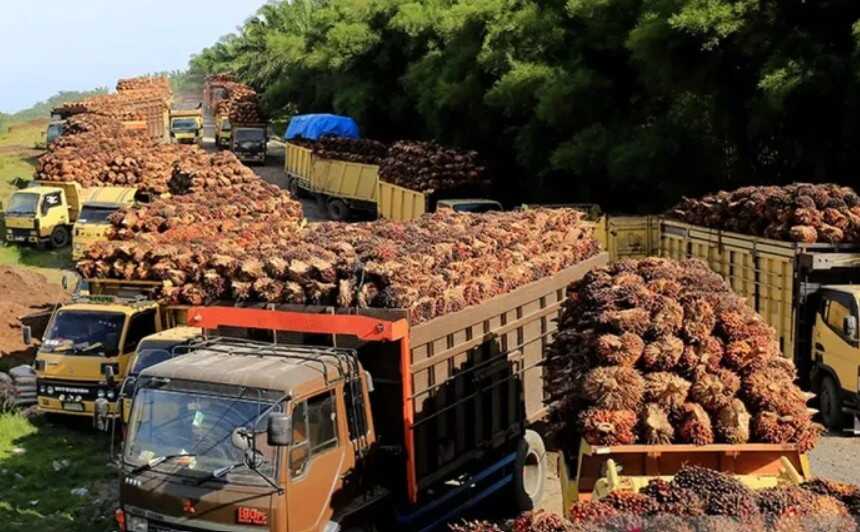
The Ministry of Agriculture (Kementan) has assured the public that the production and stocks of crude palm oil (CPO) at the national level remain in a secure condition to anticipate the surge in cooking oil demand during Ramadan and ahead of Eid al-Fitr 1447 H. The vast majority of national cooking oil production is based on CPO as raw material, making the adequacy of supply at the upstream level a critical determining factor in maintaining supply stability on the market, particularly when demand increases during major national religious holidays.
The Director-General of Plantations, Abdul Roni Angkat, stated that as the first quarter of 2026 begins, stocks and production at the upstream level have been prepared to handle the increase in demand which historically rises 10-15% during Ramadan and Eid al-Fitr 1447 H. “Cross-ministry coordination, including with the Ministry of Trade and the Food Security Task Force, continues to be strengthened to prevent potential distribution obstacles from factories through to the packaging stage,” said Roni.
The Ministry of Agriculture emphasised that the strength of the upstream palm oil sector serves as a foundation in maintaining stability in the national cooking oil supply, whilst also supporting energy policy through the Mandatory Biodiesel B40/B50 Programme. Based on field monitoring results and spatial plantation data synchronisation, national CPO production in 2026 shows a positive trend amid government policies to maintain balanced CPO allocation for both domestic food needs and energy requirements.
Roni added that the pace of supply is regulated carefully to ensure that increased biodiesel demand does not reduce the quota of raw materials for cooking oil, whether in bulk or packaged form (MinyaKita). A digital monitoring system has also been optimised to track fresh fruit bunches from plantations to palm oil mills, particularly in major production centres such as Riau, Central Kalimantan, and North Sumatra.
On various occasions, Agriculture Minister Andi Amran Sulaiman has emphasised that the stability of food supply, particularly cooking oil, is the government’s primary priority. “We ensure that national CPO production is in a safe and sufficient condition to meet domestic needs, including handling the surge in demand ahead of major religious holidays. At the same time, our commitment to the biodiesel programme continues in a measured and controlled manner,” said Amran.
Based on a recapitulation of plantation commodity stock data as of 31 January 2026, the national reserve position remains under control. Routine monitoring of stocks at the upstream level, including storage tank capacity and raw material distribution, serves as an important instrument in maintaining supply stability. Amran believes that strengthening the upstream sector is a fundamental foundation in maintaining the balance between food and energy. The Palm Replanting Programme for smallholders (PSR) continues to be accelerated to increase the productivity of smallholder plantations.
“The key to stability lies in productivity. Through the PSR and technical assistance, we encourage increased harvest yields per hectare so as to keep pace with industrial growth and domestic consumption,” added Amran. PTPN III Plantation Holding, through its subholding PTPN IV PalmCo, has confirmed its readiness to supply cooking oil to maintain price stability during Ramadan and ahead of Eid. The East Java Provincial Government has predicted an increase in food needs ahead of Ramadan and Eid al-Fitr 2026, particularly for chicken eggs, meat, red shallots, and cooking oil. For MinyaKita purchases, individual consumers are limited to a maximum of 12 litres or one carton.