
Minister urges SPPGs to source local food to support village economy
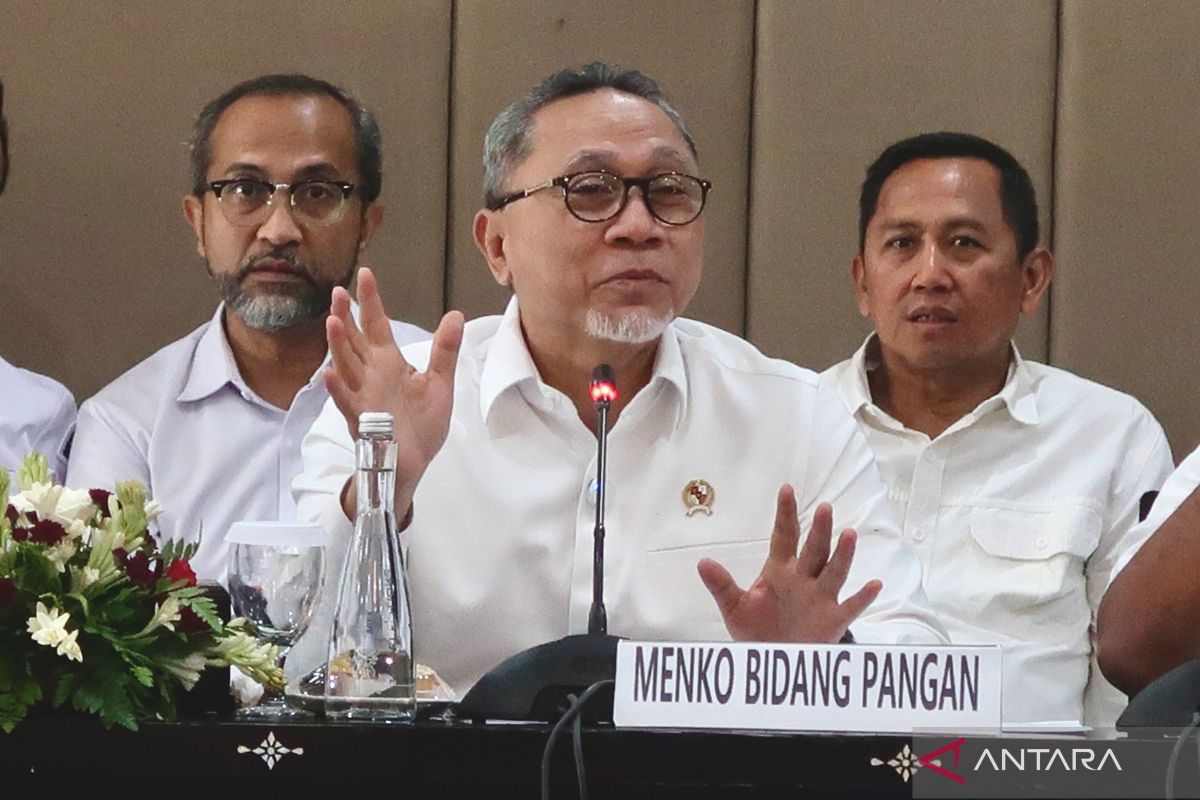
“SPPGs must procure goods from villages, whether from village-owned enterprises, village cooperatives, or micro, small, and medium enterprises,” he said during a working visit on Friday.
He said the policy aims to create a mutually reinforcing economic chain.
According to him, the free meals program not only improves children’s health but also supports the growth of village enterprises and advances food sovereignty.
“Village enterprises work together, so the village economy grows, children become healthy, and food sovereignty is achieved,” he said.
He added that integrating nutrition programs with efforts to strengthen village economies is a strategic step toward sustainable food security.
He noted that involving village businesses directly in supplying raw food materials for SPPG shortens the supply chain, improves efficiency, and has a direct impact on rural livelihoods.
“The nutritious meals program is not merely about providing food, but about helping build Indonesia’s strong future,” Hasan said.
Data from the National Nutrition Agency (BGN) shows that of the planned 28,562 SPPG units, 23,597 are already operational, representing 83 percent of the total target.
However, only 7,204 SPPG units nationwide have obtained the Hygiene and Sanitation Eligibility Certificate (SLHS). West Nusa Tenggara has the highest certification rate among operational SPPG units, at 65.64 percent.
The Free Nutritious Meals program, one of the flagship initiatives of the Prabowo-Gibran administration, is seen as a strategic investment toward achieving Golden Indonesia 2045 and supports the Asta Cita missions to strengthen the development of a healthy, intelligent, and globally competitive workforce.
Related news: Public investment of Rp54 trillion speeds up expansion of MBG kitchens
Related news: BGN warns 2,100 MBG kitchens to improve services
Translator: Sugiharto, Kenzu