
Minister: Sexual Violence Cases Cannot Be Settled Amicably
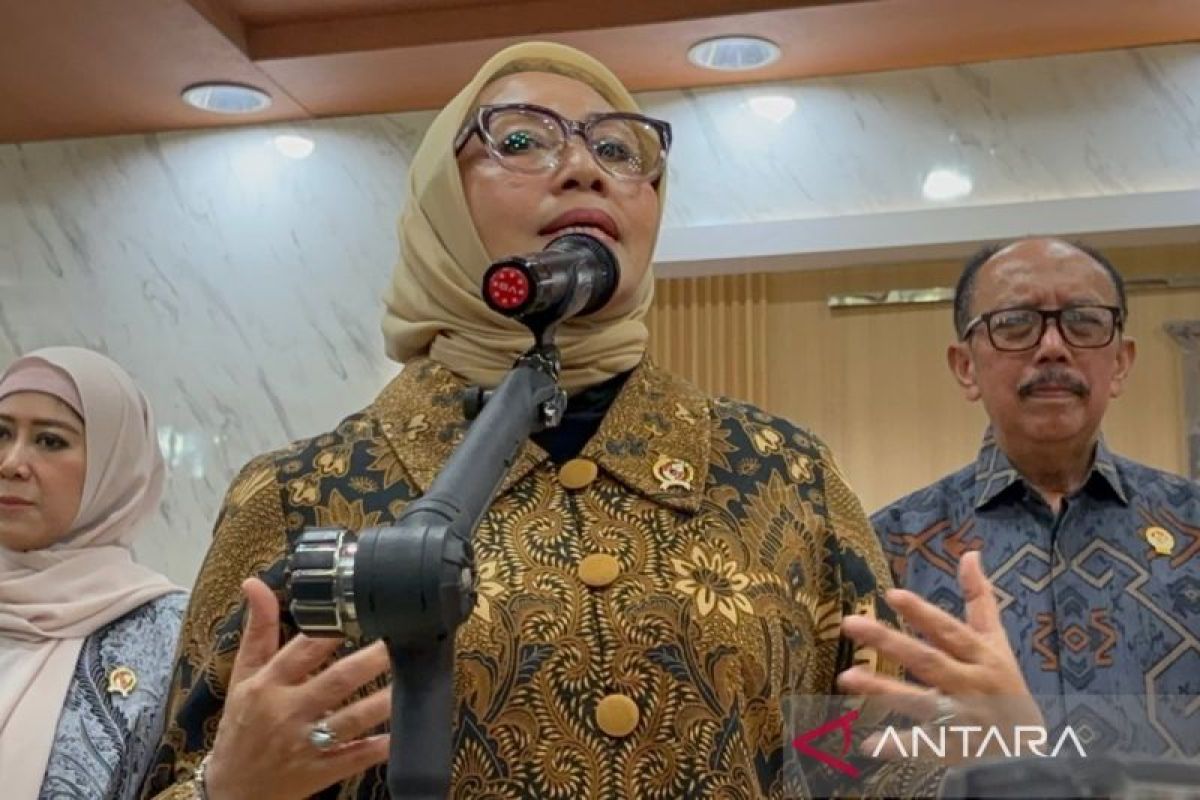
The Minister for Women Empowerment and Child Protection (PPPA), Arifah Fauzi, has emphasised that no cases of sexual violence should be resolved through peaceable settlements.
“From several existing cases, there are indeed instances where matters are settled peacefully. However, for sexual violence cases, there must be no restorative justice,” Arifah stated when met at City Hall, Jakarta, on Thursday.
According to her, sexual violence cases must be processed through the judicial system and cannot be resolved through familial or community-based mediation.
Furthermore, Arifah acknowledged that in the field, cases are still frequently passed from one agency to another. Consequently, she believes that a pilot programme for providing integrated services for women and children needs to be implemented.
“So far, victims often have to move from one reporting centre to another, then are transferred to the next agency, and even sent back to the previous one. It is this condition that ultimately makes victims reluctant to report,” said Arifting.
Arifah noted that one of the primary causes is the overly complicated reporting process.
Therefore, she continued, the Ministry of PPPA is initiating a move so that all agencies involved in victim handling can operate within a single integrated service system, or ideally, under one roof.
“In this way, the victim’s needs regarding security, health, and other requirements can be met in one place. However, this will certainly require a long process. Therefore, we are starting in DKI Jakarta,” Arifah remarked.
She revealed that if the programme runs successfully in the capital and has been evaluated for perfection, it will subsequently be implemented in other regions.
“As we proceed, we will continue to learn, identify existing shortcomings, improve them, and ensure that the rights of victims can be better fulfilled,” concluded Arifah.