
Minister of Women's Empowerment and Child Protection: Domestic Workers Protection Act is Legitimate, Families Must Report to Neighbourhood Unit When Employing Domestic Workers
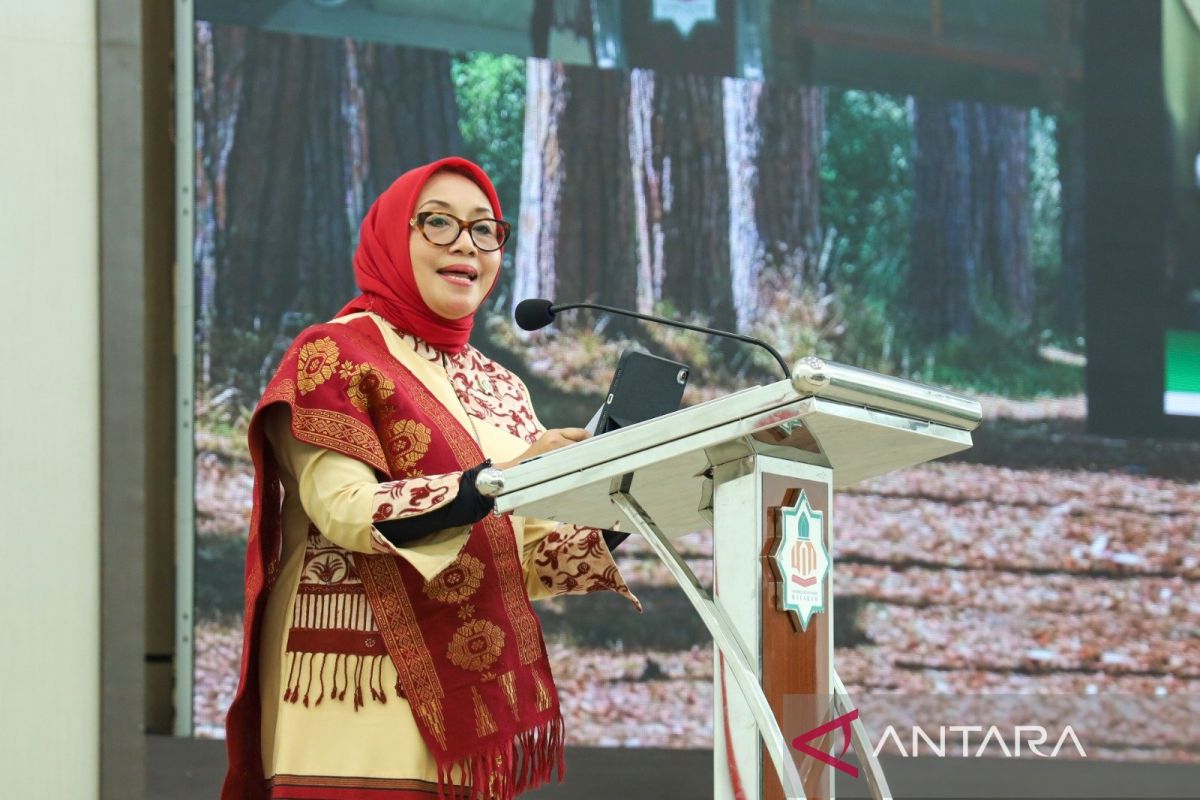
Jakarta (ANTARA) - Minister of Women’s Empowerment and Child Protection (PPPA) Arifah Fauzi stated that individuals or families employing domestic workers (PRT) are required to report to the local RT/RW. During a press conference at the Presidential Staff Office (KSP) in Jakarta on Wednesday, Minister Arifah explained that the ratification of the Domestic Workers Protection Act (UU PPRT) after more than 20 years of waiting recognises the status of PRT as workers who must be protected and provides clarity on the relationship between workers and employers. “We will involve the community in this act, especially RT and RW. So if there are issues related to domestic workers, these can be handled by the smallest household unit, namely the RT or RW,” explained the Minister of PPPA. “Because it will regulate that when a house or family employs a domestic worker, it must be reported to the local RT,” added Arifah. The government is still preparing derivative regulations for the Act ratified by the House of Representatives (DPR RI) on Tuesday (21/4). The approved Domestic Workers Bill consists of 37 articles divided into 12 chapters. Several key points include Article 2, which emphasises that the protection of PRT must be based on human rights, encompassing justice, welfare, and legal certainty. Article 3 also states that PRT must be free from threats of discrimination, exploitation, violence, and harassment. The Act now regulates the recruitment requirements for PRT to work. Article 5 explains that recruitable PRT must be at least 18 years old, and recruitment must be through a Domestic Worker Placement Company (P3RT). The Act also includes facilities that can be obtained by PRT in their work, including social security for health and employment. Health social security contributions are provided to PRT as premium assistance recipients borne by the central government or regional government in accordance with applicable laws and regulations. Meanwhile, employment social security contributions are borne by the employer in accordance with the agreement or work contract.