
Minister of Transport: Private cars projected to dominate Lebaran 2026 transport
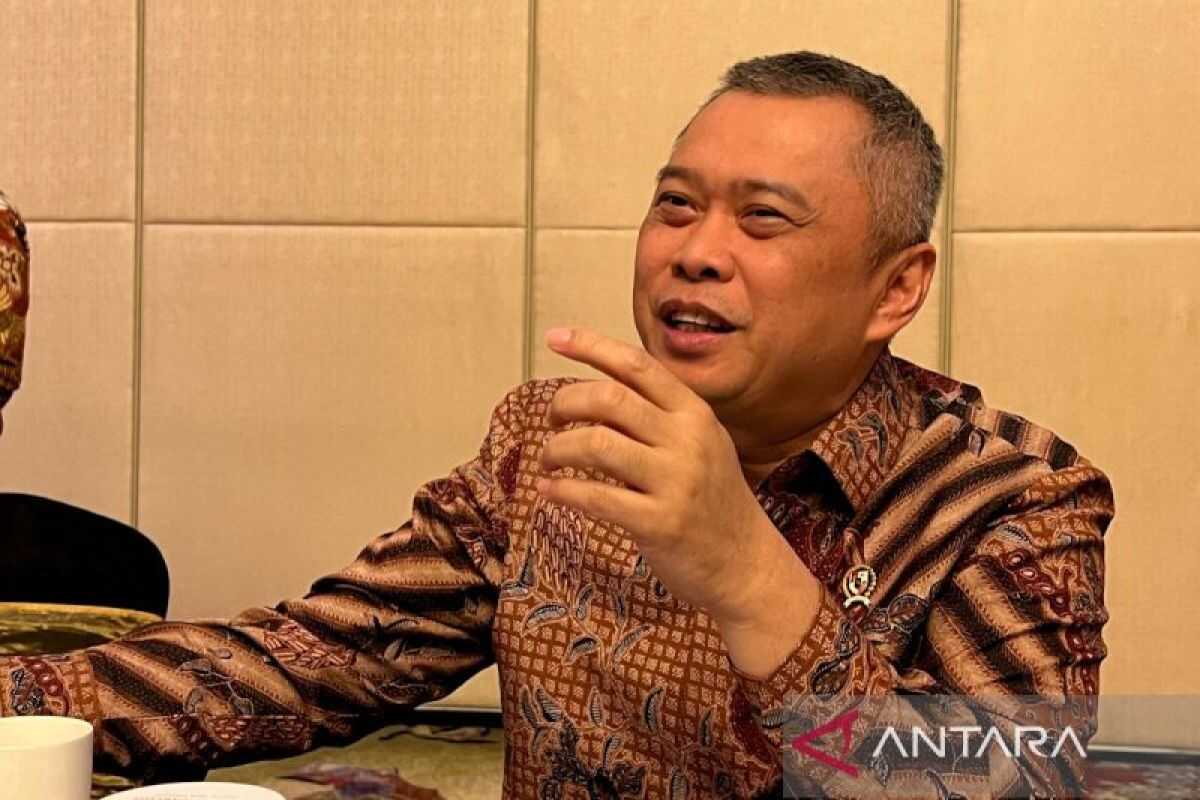
Jakarta — The Ministry of Transport said that, based on government survey results, private car usage is projected to account for about 25.98 percent of total population movement during the Lebaran 2026 transportation period. “The transport mode used by the public during Lebaran 2026 is dominated by private car usage,” the Minister said in Jakarta on Friday night (6 March). He noted that overall, about 143.9 million people are estimated to travel during the Lebaran period across Indonesia. After private cars, motorcycles and buses are the next most used modes, also expected to carry large segments of the public. Other modes include ferries, air travel, and rail for medium- and long-distance travel during the Lebaran exodus. However, the Ministry did not detail the passenger projections for each mode in the survey results. The Minister assessed that the dominance of private vehicles, particularly cars, indicates land transportation remains the primary choice for people during Lebaran. This also poses a challenge for the government in managing traffic flow and mobility on major routes. For private-car users, most trips are expected to use the main toll road networks such as the Trans-Java Toll Road and Trans-Sumatra Toll Road. In addition, people are expected to use the central Java cross routes, the Pantura northern corridor, and the southern Pantura as alternative land travel routes. Meanwhile, motorbike users are expected to rely more on alternative routes and arterial roads because motorcycles are more flexible in choosing their routes. The Lebaran passenger movement projection is expected to decline by about 1.7 percent from the previous year, from 146.4 million to around 143.9 million. The data come from government surveys conducted ahead of Lebaran transport to map potential movement and to prepare national transport facilities and infrastructure. The survey was conducted by the Ministry of Transport in cooperation with Bandung Institute of Technology’s LAPI ITB, Statistics Indonesia (BPS), and the Ministry of Communications and Digital (Komdigi).