
Minister of State Apparatus Ensures Healthcare Services Continue During Nyepi-Idul Fitri Holidays
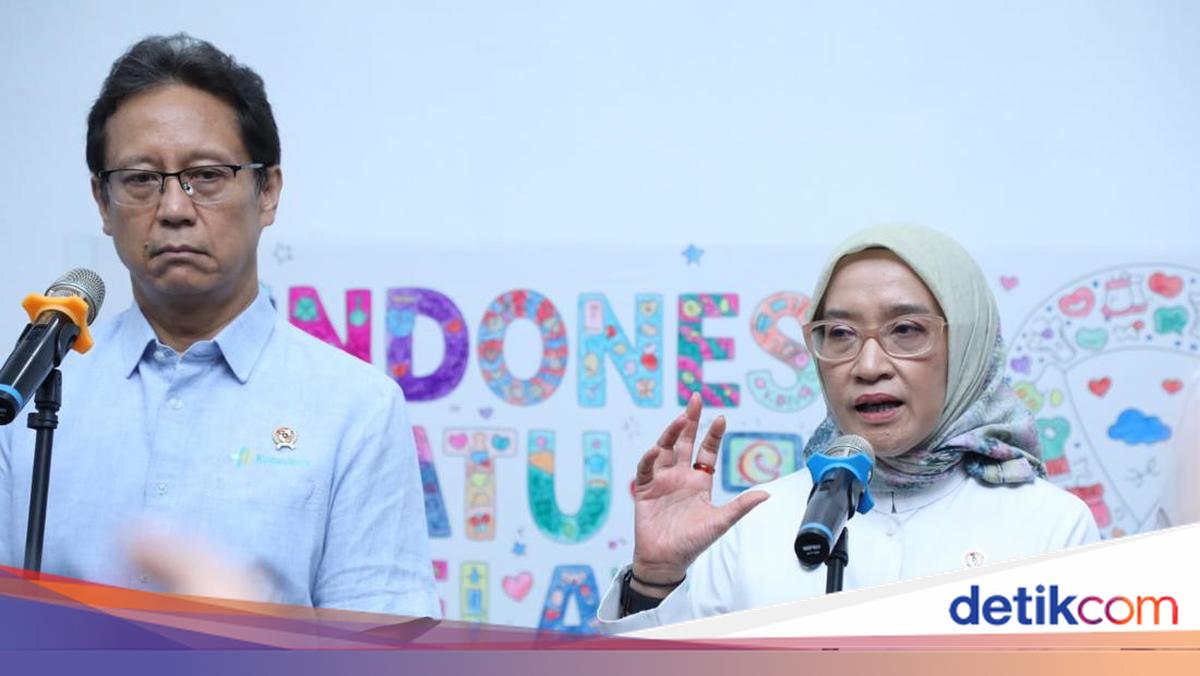
The Minister of State Apparatus and Bureaucratic Reform (PANRB), Rini Widyantini, visited the healthcare service readiness at Dharmais National Cancer Centre, Jakarta, to ensure citizens receive equitable and accessible healthcare services during the Nyepi and Idul Fitri 2026 holidays.
Minister Rini noted that the Idul Fitri holiday period witnesses exceptionally high population mobility, requiring essential public service facilities including healthcare to remain fully operational and provide quality services to the community.
“In response to the President’s directive, the government is proactively ensuring that service facilities, service systems, and the readiness of healthcare personnel and support staff are prepared to deliver fast, responsive, quality services aligned with community needs,” Rini stated on Monday, 16 February 2026.
As Indonesia’s National Cancer Centre, Dharmais Hospital serves cancer patients from across the country. Many patients undergo continuous therapy including chemotherapy, radiotherapy, and regular check-ups that cannot be interrupted during national holidays.
The hospital is mandated by the Ministry of Health to oversee regional hospitals in cancer treatment. Consequently, during the Idul Fitri holiday, Dharmais is expected to maintain readiness of equitable cancer treatment services not only at the national centre but also in regional facilities.
During the visit alongside Health Minister Budi Gunadi Sadikin, Rini inspected patient service processes from registration through medical treatment. The inspection focused on critical services including the emergency department, inpatient care, and cancer therapy services.
Rini also examined healthcare workforce readiness, service infrastructure and facilities, and the availability of public information about services, including service standards and complaint mechanisms.
She stressed that the government understands healthcare needs do not follow a schedule, including during extended holidays such as Idul Fitri. Therefore, all healthcare providers must ensure services remain available so citizens can access healthcare when needed.
Rini expressed hope that the Ministry of Health will continue to regularly ensure healthcare governance and management during major religious holidays align with public service principles.
She also reminded healthcare providers that services during major religious holidays must ensure inclusive and accessible services for vulnerable groups. “Public services must certainly address the specific needs of vulnerable groups such as the elderly, persons with disabilities, pregnant women, and children,” she emphasised.
Rini expressed appreciation to all healthcare personnel and public service workers in essential sectors who will remain on duty during the Idul Fitri holidays to ensure citizens continue receiving necessary services.
“Responsive, swift, and coordinated public services are the priority during the holiday period. Thank you to all civil servants who continue their duties to provide quality services to the community during Idul Fitri,” Rini said.
Meanwhile, Health Minister Budi Gunadi Sadikin reaffirmed that medical services at all hospitals under the Ministry of Health will continue operating, though operational adjustments will be made during the Idul Fitri holiday. Emergency services such as stroke patients, CT scans, and surgery for bleeding cases will continue at full capacity.
“During this extended holiday, in accordance with the President’s direction, we will remain operational for emergency procedures. Life-saving emergency services will operate at full capacity,” Budi stated.
However, Budi noted that the Ministry of Health will adjust elective or scheduled medical procedures during 20-23 March 2026. Elective procedures are non-emergency scheduled medical interventions such as routine procedures or previously scheduled therapies.
“The responsibility of hospital directors is to reorganise the number of required personnel needed to carry out scheduled, elective or non-emergency procedures, as there may be greater service volume before or after the holiday period,” Budi concluded.