
Minister of Public Works Raises Standards for National Roads to Protect Motorcyclists from Deadly Traps
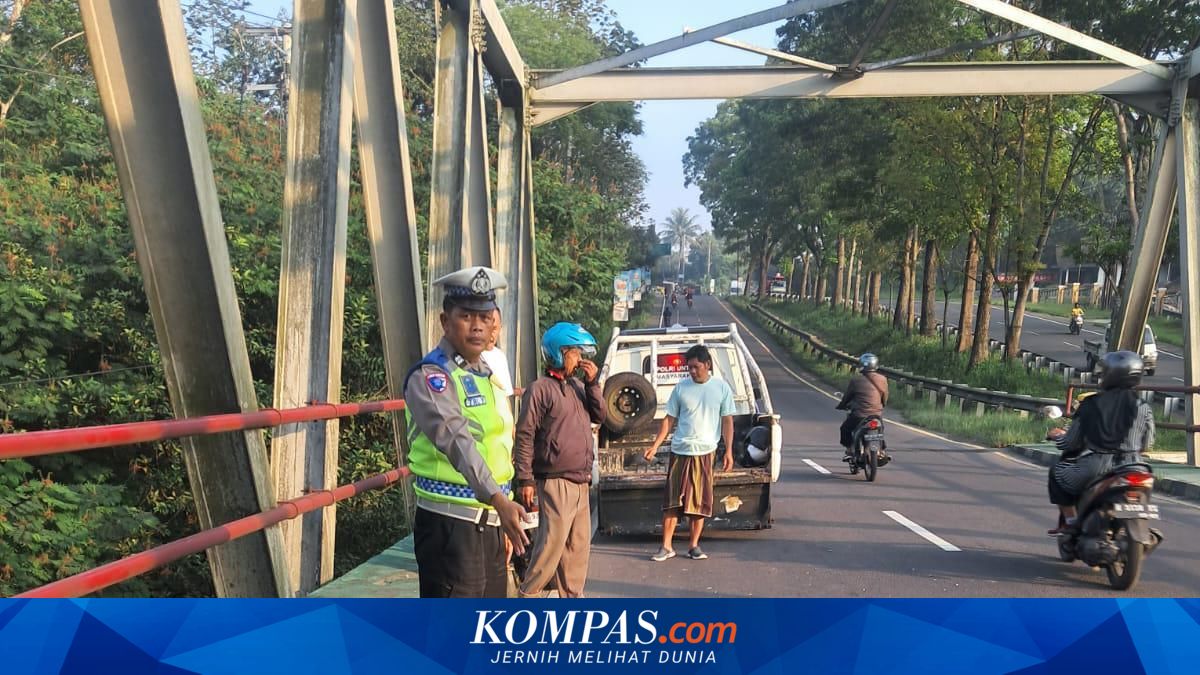
Riding safety on national roads will be designed with new, more inclusive standards. The focus of infrastructure development, which has so far been dominated by four-wheeled vehicle orientation, will be shifted. Priority is redirected to the safety aspects of two-wheeled riders through an overhaul of bridge technical standards, particularly on the expansion joint components. Field evaluations show that many bridge joints have gaps that are too wide, which technically pose a life threat to motorcyclists. The expansion joint is a crucial element that allows the bridge structure to move dynamically in response to temperature changes. However, neglect of damage to this component creates a “trap” for motorcycle tyres, which have a thinner profile compared to cars. Based on the latest monitoring data, there are at least nearly 30,000 points of potholes and damage along the Java North Coast route, from West Java, Central Java, to East Java. Repair efforts have been accelerated, and the current progress stands at 82 percent. The main focus of the repairs is not only to fill potholes but to ensure the flatness of the surface at every bridge joint. “What annoys me is the bridges. Their expansion joints are partly already wide. It might just be discomfort for cars, but for motorcycles, it’s dangerous; they can fall, they can have accidents. I’ve already asked the road offices to focus on this matter,” said Dody in response to Kompas.com on Friday (17/4/2026). The concrete step taken by the ministry is to raise the standard of joint density. The aim is to eliminate extreme shocks or the risk of slipping on two wheels. Bridge resilience faces dual challenges: excessive load from Over Dimension Over Load (ODOL) vehicles and extreme weather. When the bridge structure is continuously hit by loads beyond capacity, the flexible components at the joints lose their elasticity.