
Minister of Public Works Ensures Readiness of Irrigation Water Supply from Gajah Mungkur Reservoir
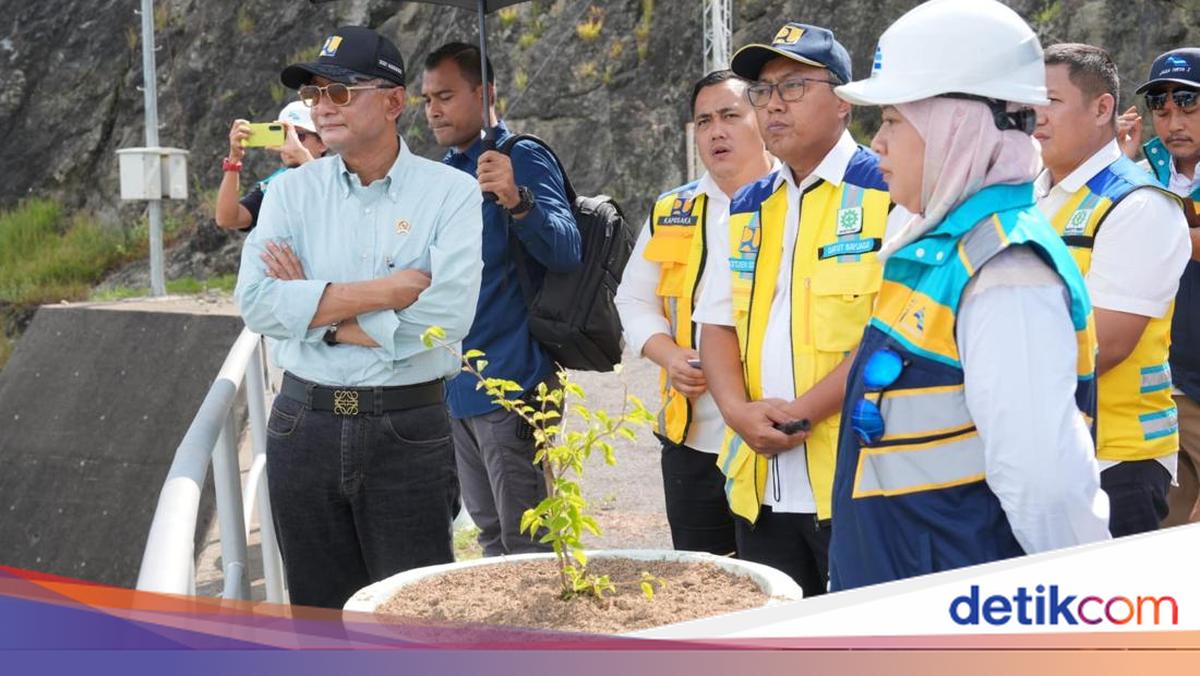
Public Works Minister Dody Hanggodo has assured the readiness of the irrigation water supply from the Gajah Mungkur Reservoir. This is to anticipate the 2026 dry season, which is expected to arrive earlier and last longer. Based on predictions from the Meteorology, Climatology, and Geophysics Agency (BMKG), the dry season this year could extend until December 2026. Therefore, the Ministry of Public Works is preparing various strategic measures to maintain water availability, particularly for the agricultural sector. “This reservoir must continue to be able to supply water needs, especially for agricultural irrigation. Insyaallah, it will be safe; we are preparing various steps to ensure water needs are met until the dry season ends,” said Dody in a written statement on Monday (6/4/2026). Currently, the Gajah Mungkur Reservoir is used to irrigate around 25,000 hectares of agricultural land through the Colo Barat and Colo Timur irrigation networks. The available water volume reaches approximately 340 million cubic metres, with an effective storage capacity of around 260 million cubic metres. He stated that to maintain the sustainability of the reservoir’s function, the Ministry of Public Works is carrying out various sedimentation control efforts to extend the service life of the dam. One of them is operating four dredger ships to reduce sediment deposits in the reservoir. “Dredging is carried out routinely. In addition, we are also installing several systems such as closure dikes to hold back sediment before it enters the reservoir. There are several methods we are implementing so that the service life of the dam can continue to be extended,” said Dody. He mentioned that three units of closure dikes have now been built, which function to hold back sediment from the Keduang River flow before it enters the reservoir, thereby reducing the rate of silting. In addition, conservation efforts are also being carried out in the upstream areas through tree planting by the Ministry of Public Works via the Bengawan Solo River Basin Organisation (BBWS) together with the community to improve the water catchment area conditions. “Damaged upstream areas are one of the main causes of sedimentation. Therefore, we invite the community to jointly carry out reforestation so that more water enters the reservoir compared to sediment,” said Dody. As a precautionary measure, the government is also preparing weather modification operations (OMC) or artificial rain, as well as strengthening cross-sectoral coordination, including with the Ministry of Agriculture, to maintain national agricultural productivity. “Through integrated reservoir management, the Ministry of Public Works is optimistic that the Gajah Mungkur Reservoir will remain reliable in supporting food security and national water availability, especially amid the challenges of a prolonged dry season and climate change,” he concluded.