
Minister of National Development Planning Emphasises MBG as a “Game Changer” to Boost Indonesia's Economy
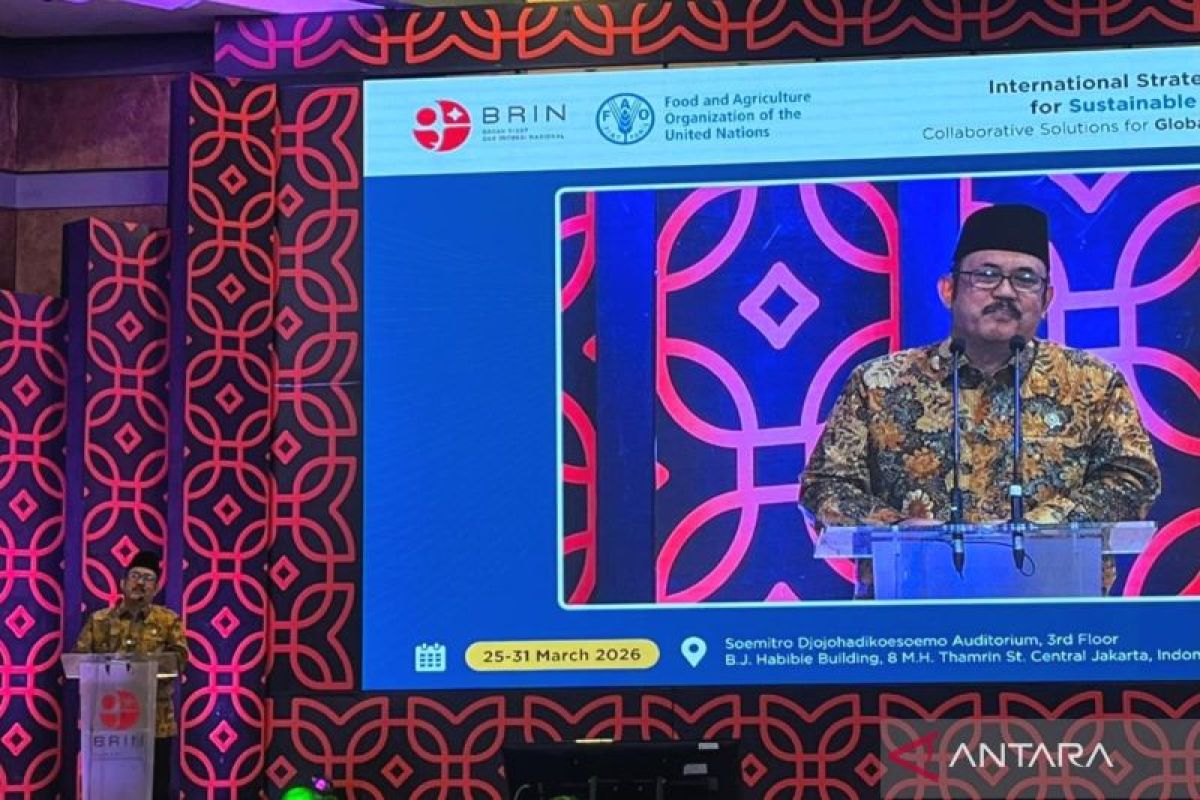
Jakarta (ANTARA) - The Minister of National Development Planning/Head of Bappenas, Rachmat Pambudy, has emphasised that the Free Nutritious Meals (MBG) programme serves as a game changer in driving national economic growth, while also strengthening the transformation of Indonesia’s food and livestock sectors.
At the International Strategic Meeting on Scientific Pathways for Sustainable Livestock Industry Transformation 2026, organised by the National Research and Innovation Agency (BRIN) in Jakarta on Friday, Rachmat stated that the government is now not only focusing on food security but has shifted towards more comprehensive and sustainable food sovereignty.
“We introduced what we call free meals or the free nutritious meals programme. It’s our game changer,” he said.
According to him, the MBG programme not only impacts the fulfilment of public nutrition but also creates a large and stable market demand, particularly for the domestic livestock sector.
“The market is ready, stable, and growing,” he added.
Rachmat revealed that the additional needs from the programme are projected to reach 1.5 million litres of milk and 47,000 tonnes of beef by 2029, serving as a positive signal for investors.
The government, he said, targets increasing self-sufficiency in milk production from 21% to 96%, and 70% for beef.
To support these targets, the government is facilitating the entry of 1 million dairy cows. However, Rachmat acknowledged that several challenges remain.
He outlined the challenges as low productivity because more than 90% of livestock operations are managed by small-scale farmers, gaps in the breeding system that keep import dependency high, and limitations in resources such as high feed costs and threats from animal diseases.
To overcome these challenges, the government is promoting improvements in production quality and scale through collaboration with the private sector and academia.
One innovation being developed is the Red White Cow based on genomic technology to produce more productive livestock with stronger resilience.
Additionally, the government is encouraging the national private sector not only to act as business players but also to invest in livestock research and development.