
Minister of Higher Education Encourages Universities to Innovate in Waste Recycling
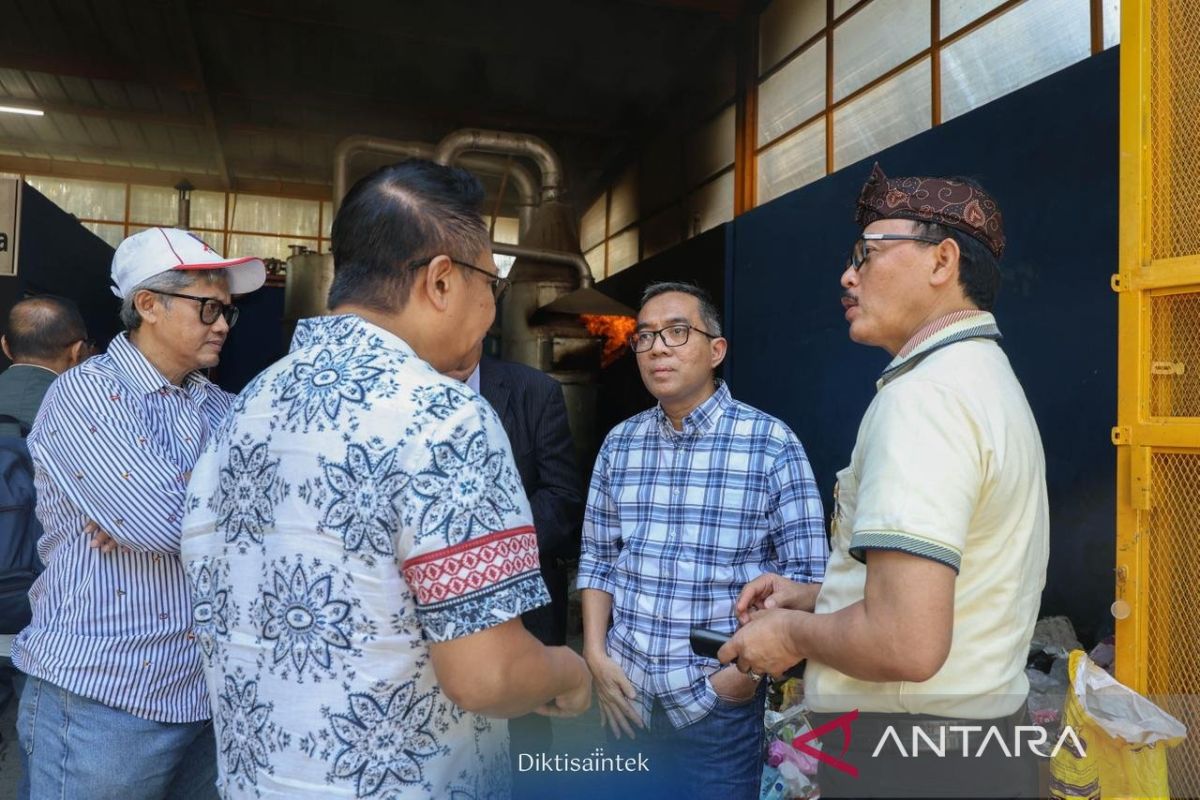
Jakarta — Indonesia’s Minister of Higher Education, Science and Technology Brian Yuliarto has backed higher education institutions to innovate in waste recycling through various research-based waste management initiatives.
Speaking in Jakarta on Monday, the Minister emphasised the importance of waste management conducted on a decentralised and integrated basis from upstream to downstream, beginning with separation at household level through to residue processing at integrated treatment facilities.
“A single district generates approximately 100 tons of waste daily. With proper separation of biological and food waste, only 10–20 tons per day would require incineration,” said Minister Yuliarto.
He cited the waste processing facility at the Islamic University of Bandung (Unisba) as an example, which employs plasma-assisted technology to break down hazardous compounds during residue incineration. The efficiency of this burning process and the technology’s potential for wider-scale implementation demonstrate the viability of such approaches.
According to the Minister, this approach could prove more efficient in terms of logistics and costs compared to overly centralised systems.
“The optimal solution would be to establish Integrated Waste Processing Facilities (TPST) for 100 tons per day. At village level, waste would only be separated, then transported from the village to the district for processing,” said Minister Yuliarto.