
Minister of Culture Expresses Condolences Over the Fallen Indonesian Soldiers in Peacekeeping Mission
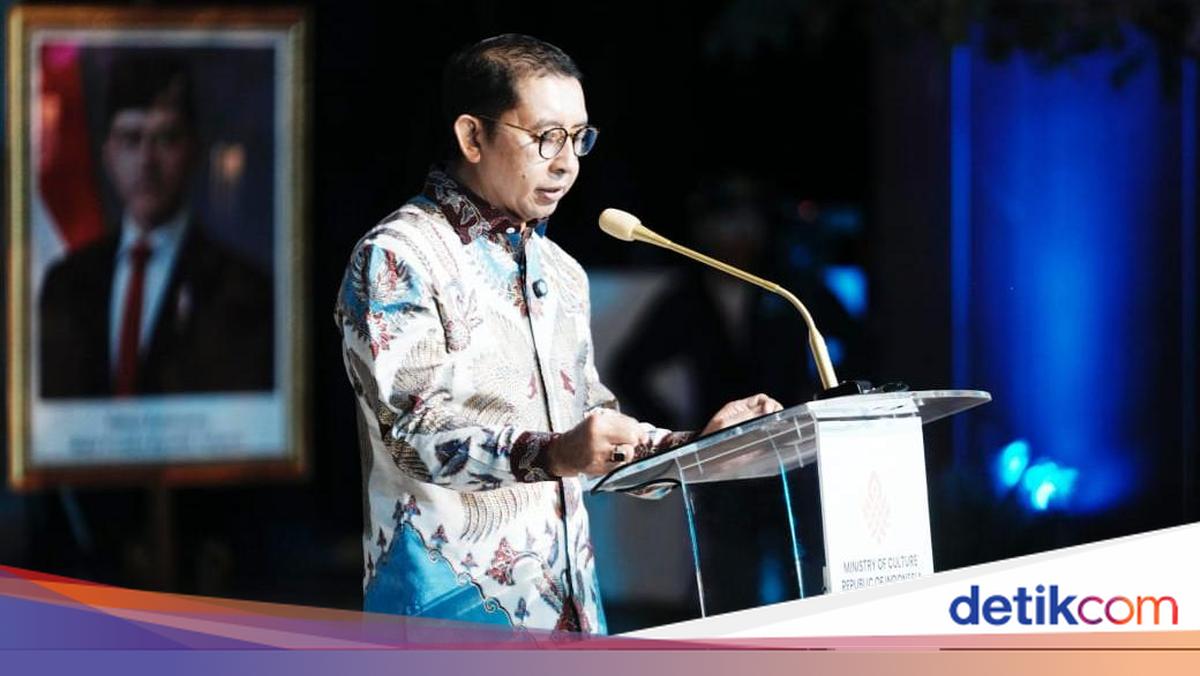
Indonesian Minister of Culture Fadli Zon has conveyed deep condolences over the deaths of three Indonesian National Army soldiers who were carrying out duties as United Nations peacekeepers in the United Nations Interim Force in Lebanon (UNIFIL) in southern Lebanon. “I extend my deepest condolences to the bereaved families, the Indonesian National Army, and all affected parties. We also pray for the full recovery of the personnel injured while performing their duties,” Fadli Zon stated in a written remark on Wednesday (1/4/2026). He noted that this tragedy is inseparable from the heinous Israeli attack in southern Lebanon. Fadli Zon strongly condemned the attack, which has endangered peacekeeping personnel, civilians, critical infrastructure, and heightened threats to cultural heritage in the region. “The fallen peacekeepers were carrying out a noble mandate to maintain peace, stability, and the protection of civilians amid the conflict situation,” he said. “Their sacrifice represents a great loss for Indonesia and the world, as well as a reminder that peacekeeping duties always demand full respect for international law and collective responsibility to ensure the safety and security of UN personnel,” he added. He also expressed deep concern over the ongoing escalation of violence in the Middle East and its increasingly widespread impacts. This situation not only places civilians at greater risk but also threatens cultural heritage, including sites and cultural properties as well as intangible cultural heritage throughout the region. “Armed conflicts not only damage buildings, sites, and cultural objects but also erode historical memory, values, identity, and ways of life that are living and passed down from generation to generation,” he explained. He stated that the protection of cultural heritage in situations of armed conflict is both a moral obligation and a legal obligation under international law, including the 1954 Hague Convention on the Protection of Cultural Property in the Event of Armed Conflict and various related international instruments. “Cultural heritage must not be viewed as collateral damage that can be ignored. Every destruction, damage, or misuse of cultural wealth in conflicts will weaken the social fabric of communities, deepen trauma, and damage opportunities for peace, reconciliation, and post-conflict recovery,” he said. “Therefore, the Indonesian Ministry of Culture calls on all involved parties to respect international humanitarian law, ensure the safety and security of peacekeeping personnel, and protect cultural wealth and heritage sites throughout the region from attacks, military use, vandalism, looting, or irreparable destruction,” he added. He also supports ongoing international efforts, including those by UNESCO and relevant national authorities, to strengthen emergency measures in protecting vulnerable cultural sites and movable heritage objects under threat. In this context, he emphasised that the loss of human lives and the destruction of cultural heritage constitute wounds to humanity. The protection of cultural heritage is inseparable from the protection of dignity, collective memory, and the continuity of civilisation. According to him, the international community must remain vigilant so that conflicts do not only cause humanitarian destruction but also erase the cultural foundations that sustain life. “We reaffirm our solidarity with the families of the fallen Indonesian peacekeepers, the people of Lebanon, and all communities in the Middle East whose lives, safety, and cultural heritage are under threat. Indonesia remains committed to peace, international cooperation, and the protection of cultural heritage as a shared human legacy,” he concluded.