
Minister Mu'ti Reveals Many Schools Quietly Hiring Honorary Teachers as Data is Rectified
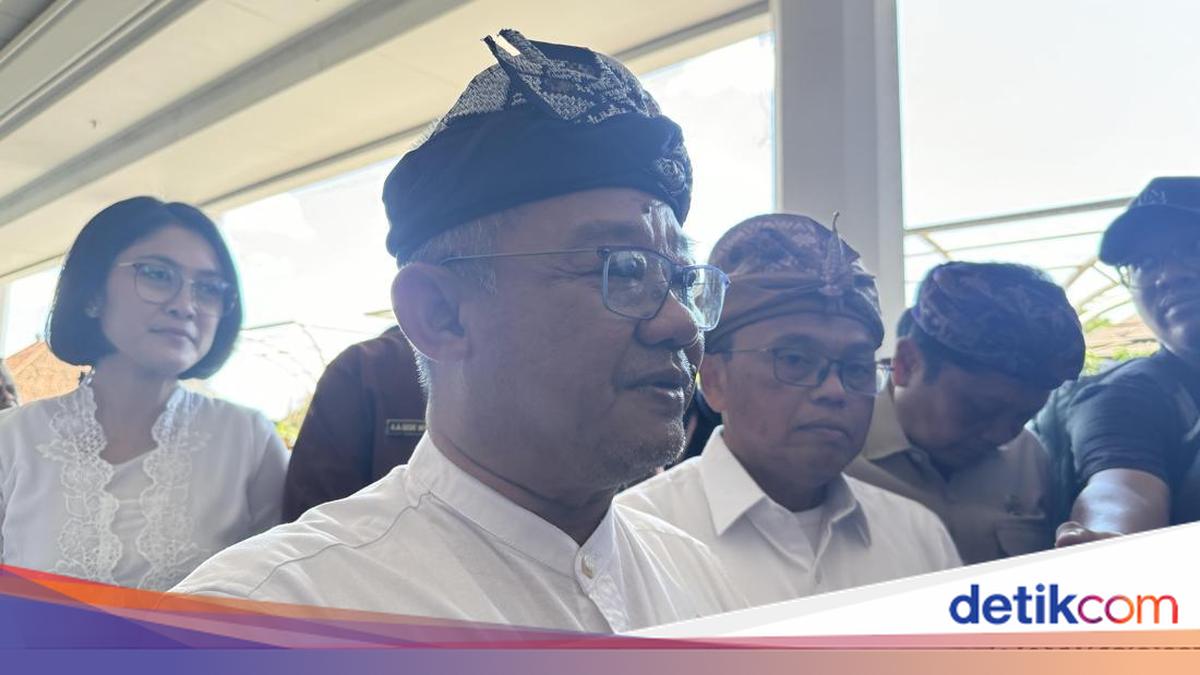
The Ministry of Basic and Secondary Education (Kemendikdasmen) has begun recounting the presence of teachers across Indonesia after uncovering the practice of schools appointing honorary teachers without the approval of education authorities. This situation is considered one of the causes of uneven teacher distribution in various regions.
Minister of Basic and Secondary Education (Mendikdasmen) Abdul Mu’ti stated that the data collection is being carried out to ensure the status of all educators is clearer and to organise national teacher needs.
“We are striving to conduct data collection and organisation so that we can clearly know the status of those teachers,” explained Abdul Mu’ti during his visit to the second Denpasar Education Festival 2026 at Dharma Negara Alaya on Thursday (7/5/2026).
According to Mu’ti, nationally, the number of teachers is actually sufficient. However, their distribution remains uneven because some regions have an excess of teachers, while others lack teaching staff.
“If the national teacher ratio is already sufficient, but there are schools and regions with excess teachers, there are regions and schools that lack teachers,” said Mu’ti.
He revealed one finding of deviation, namely the secret appointment of honorary teachers by school principals without coordination with the relevant authorities.
“Because there are many—apologies—honorary teachers who are appointed just like that by school principals without the knowledge and approval of the district heads, which ultimately causes the problems mentioned,” explained Mu’ti.
In addition to the issue of equity, the government has also found shortages of teachers in certain subjects, such as religious education and sports. According to Mu’ti, these shortages cannot be addressed by teachers from other fields because they require specific competencies.
“In the future, we want to organise it, because there are also teachers in certain study fields that are lacking. For example, we still lack religious teachers, we still lack sports teachers, and teachers in certain study fields that cannot be handled by teachers not in their field,” clarified Mu’ti.
On that occasion, Mu’ti also reaffirmed the implementation of Law Number 20 of 2023 on Civil Servants, which no longer recognises the term honorary staff. The term honorary itself is not used in the law.
“So, it’s like this: it relates to the enforcement of the Civil Servants Law. In the Civil Servants Law, the term honorary is indeed not recognised. So, what exists is ASN and non-ASN. ASN consists of two: PNS (Civil Servants) and PPPK (Government Employees with Work Agreements),” emphasised Mu’ti.