
Minister Mu'ti Affirms Strengthening Inclusive Education in 2026 at Breaking-of-Fast with 1,000 People with Disabilities
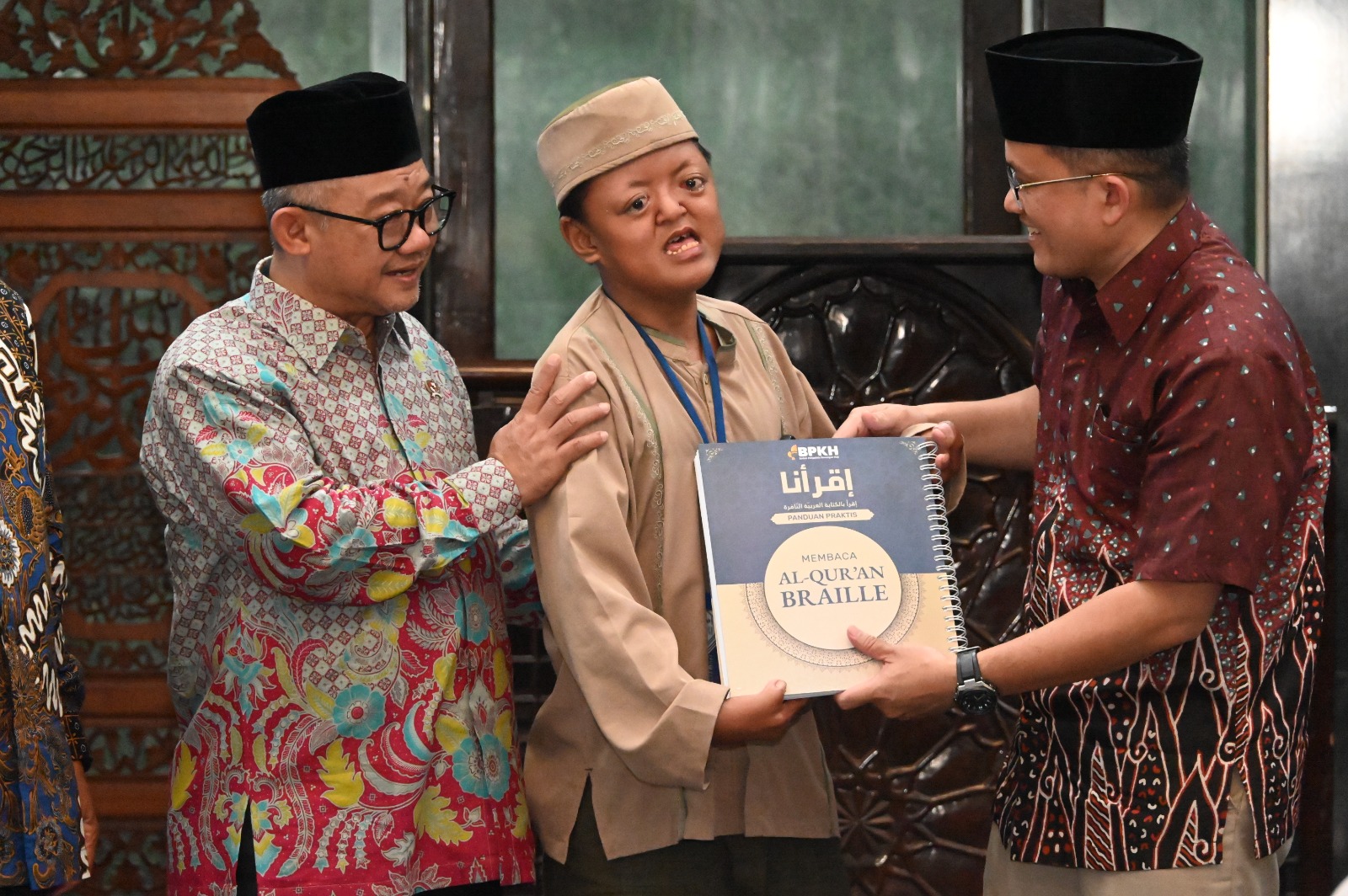
A warm and cheerful atmosphere marked the Baitut Tholibin Mosque at the Ministry of Basic and Secondary Education (Kemendikdasmen) in Jakarta on Saturday, 14 March. More than 1,600 participants from various communities gathered for the “Cheerful Ramadan: Breaking-of-Fast with 1,000 People with Disabilities” event, which not only brought Ramadan joy but also served as a moment for Kemendikdasmen to affirm its commitment to strengthening inclusive education for all Indonesian children.
On the occasion, Minister of Basic and Secondary Education Abdul Mu’ti stated that education is the right of every child in the nation without exception. The state has a responsibility to ensure that children with special needs receive equal and quality educational services.
“All Indonesian children, whatever their circumstances, wherever they are, have the right to receive educational services. We are committed to strengthening inclusive education so that children with special needs can learn together with other children,” said Abdul Mu’ti.
As part of this commitment, Kemendikdasmen is preparing several steps in 2026 to expand access to education for children with special needs. In addition to strengthening the practice of inclusive education in regular schools, the government will also increase the number of Special Schools (SLB) in several regions that still need special educational services.
Kemendikdasmen will also strengthen school capacity through training programmes for support teachers for children with special needs, enabling more schools to provide optimal inclusive educational services.
“The challenge of inclusive education is not only about facilities, but also about teacher readiness and the school environment. Therefore, in 2026, we will begin training more support teachers so that schools are able to provide better educational services for children with special needs,” he explained.
According to Mu’ti, strengthening inclusive education is not only a matter of educational policy but also part of efforts to build a more open society that values diversity.
“We want to build a society that does not create barriers between those with special needs and others. All Indonesian children have the potential to become extraordinary children if they receive quality educational opportunities,” he added.
The breaking-of-fast gathering took place in a festive atmosphere. Participants with disabilities displayed various creative talents, ranging from hadroh (Islamic musical singing), Qur’anic recitations, sign language Islamic learning, storytelling, to poetry readings. These performances served as a space for self-expression whilst demonstrating that people with disabilities have the opportunity to work and actively participate in public spaces.
On the same occasion, the Minister also launched PijatMu, a community initiative of the Social Welfare Guidance Council (MPKS) of the Central Leadership of Muhammadiyah that brings together blind massage therapists within the Muhammadiyah organisation.
This programme aims to strengthen networks, increase capacity, and encourage economic independence of people with disabilities through skills development and expanded access to alternative health services for the community. Additionally, a free mudik (journey home for holidays) programme was introduced for people with disabilities as part of the Cheerful Ramadan activities, with transportation services provided for participants returning to their hometowns. Kemendikdasmen also provided assistance including food packages, religious articles, traditional dress for children, and Braille Qur’ans to support participants’ religious activities during Ramadan.
This event demonstrates that inclusive education is built not only through policy but also through genuine social concern that creates spaces of togetherness for all. Ramadan becomes an opportunity to strengthen empathy whilst reaffirming the commitment that no Indonesian child is left behind in obtaining education.