
Minister Irfan Yusuf: Hajj Departure Schedule Unchanged, Pilgrims to Enter Dormitories on 21 April 2026
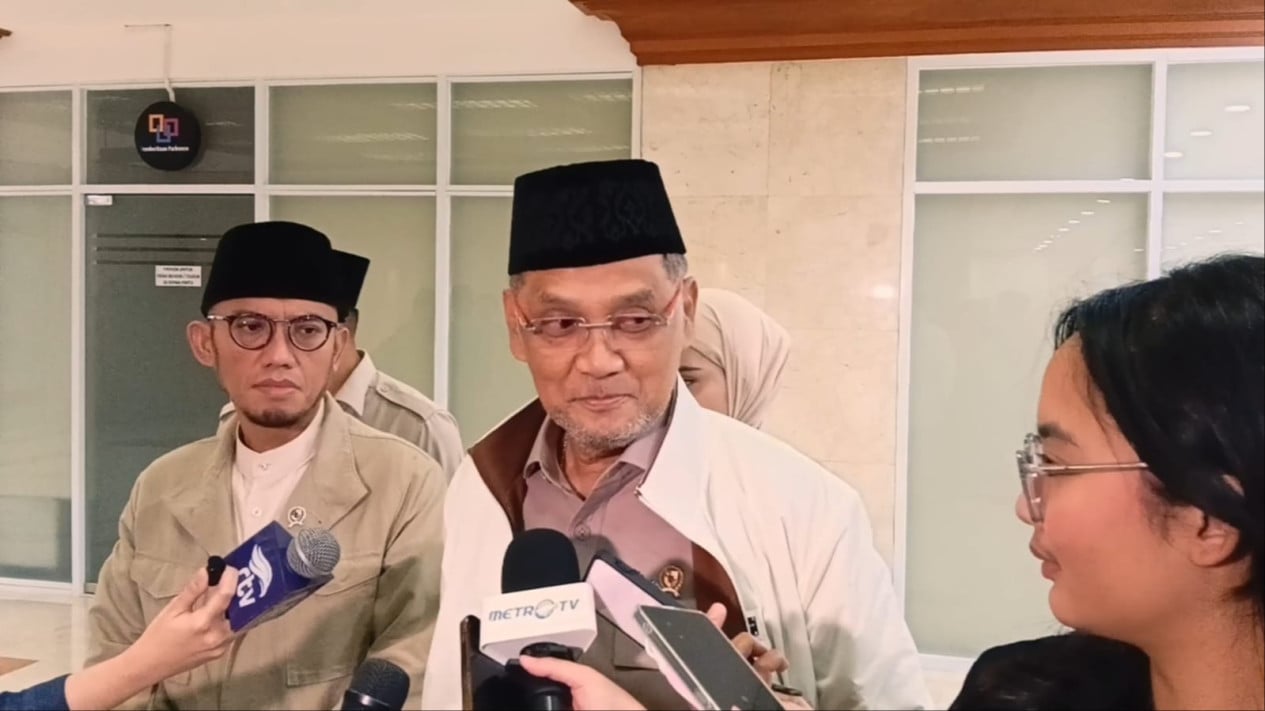
Minister of Hajj and Umrah, Mochamad Irfan Yusuf, has assured that the departure schedule for prospective Hajj pilgrims in 2026 will proceed as planned by the government. He stated that there have been no changes to the schedule to date. “Regarding the departure of prospective Hajj pilgrims, there have been no changes so far; it remains on 21 April 2026 for pilgrims to enter the Hajj dormitories, followed by departure on 22 April,” said Mochamad Irfan Yusuf during his statement in Jombang, East Java, on Sunday (29/3/2026). According to him, the Ministry of Hajj and Umrah has completed various technical preparations and is now simply awaiting the departure date. “Everything is ready; we’re just waiting for the day of departure for the prospective Hajj pilgrims,” he said. He likened this readiness to organising a major event where all needs, from venues to supporting logistics, have been fulfilled. On the other hand, the government continues to monitor developments in the Middle East region. Cross-agency coordination is also being conducted to ensure the smooth implementation of the Hajj pilgrimage. “We hope that the conflict in the Middle East can subside soon, and we urge those in conflict there to respect the Hajj process for Muslims from around the world,” he stated. The man familiarly known as Gus Irfan hopes the conflict will ease so that pilgrims can perform their worship safely and devoutly. “By showing respect, they will lower the conflict tension, allowing Muslims to perform Hajj peacefully and carry out their worship to the best of their ability,” he added. In addition, the Ministry of Hajj and Umrah has reaffirmed its commitment to delivering a professional, transparent 2026 Hajj organisation free from irregularities. This year’s Hajj management involves a budget of around Rp18 trillion, making accountability a top priority in every process. To strengthen oversight, the government is also involving institutions such as the Corruption Eradication Commission, the Attorney General’s Office, and the National Police in monitoring procurement and financial governance.