
Minister encourages waste management habit at the family level
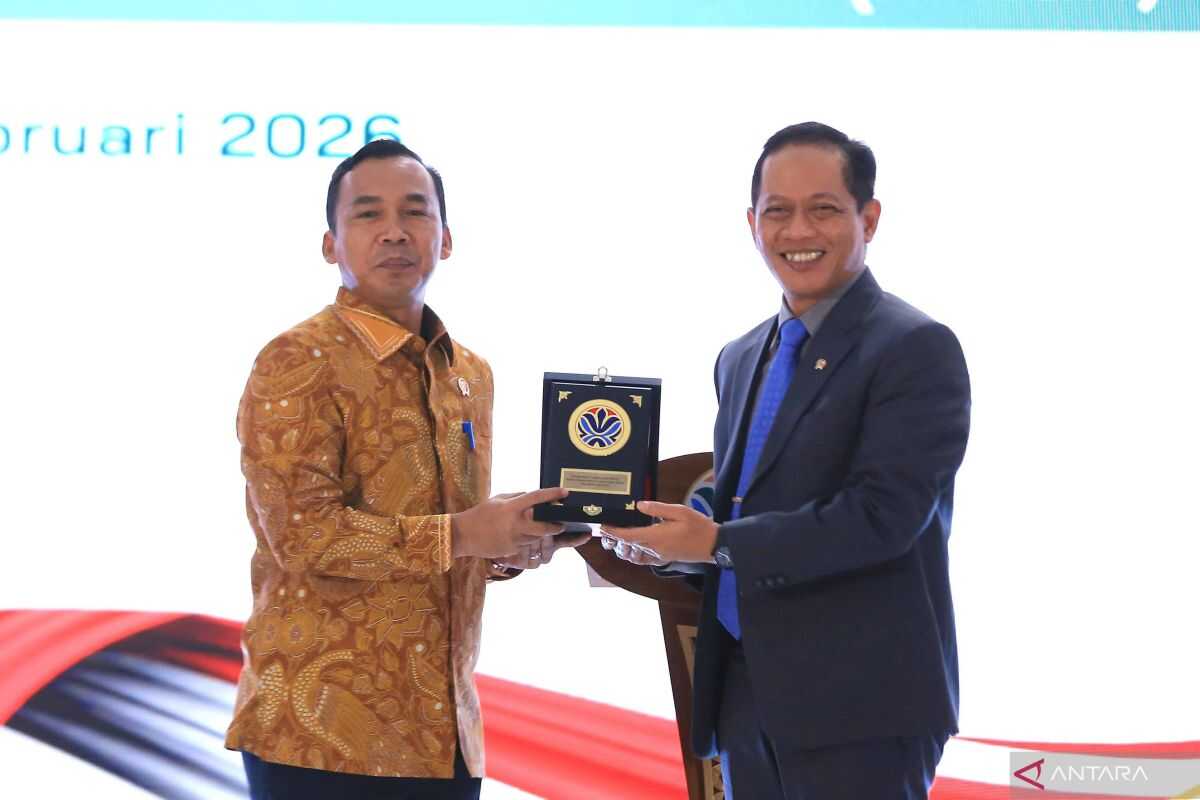
“By establishing the habit of sorting, reducing, and managing waste at home, families are expected to be the front line in reducing waste volume,” he said at the 2026 National Waste Management Coordination Meeting in Jakarta on Wednesday.
He noted that, as the smallest unit of society, families play a strategic role in managing waste at its source.
“The smallest unit of a nation is the family. Therefore, no matter what the national problem is, the solution begins within the family, and that includes waste,” the minister stated.
He added that collaboration between families, ministries, and relevant stakeholders can help resolve the majority of waste issues, particularly household waste.
Wihaji affirmed that his ministry has the personnel ready to be deployed to change the public’s behaviors, including family behavior regarding waste management.
The Ministry of Population and Family Development currently has 17,541 family planning extension workers, 597,909 family facilitators, and 77,281 Family Planning Villages spread across Indonesia to drive community outreach and facilitation on the ground.
This family facilitation effort is expected to increase household waste sorting by approximately 30 percent, encourage the establishment of active waste banks in Family Planning Villages, and create cleaner and more organized residential environments.
Strengthening waste management at the source becomes a strategic step to reduce the burden on downstream processing.
Data from the Ministry of Environment’s National Waste Management Information System (SIPSN) recorded that waste generation reached 24.8 million tons in 2025, with 65.45 percent still unmanaged. Meanwhile, the technical capacity of landfills across Indonesia is projected to reach its limit by 2028.
With a total population of around 286 million people and over 74 million families in Indonesia, the potential for driving behavior change starting at the household level is immense.
Interventions at the family level are expected to deliver a significant impact, including a 20–30 percent reduction in waste sent to landfills, a lower risk of environment-based diseases, and improved family resilience and quality of life.
To tackle the country’s waste issue, the Indonesian government has initiated the Indonesia ASRI movement, which promotes an integrated waste management approach and environmental cleanup efforts.
Related news: Indonesia pushes interregional synergy to tackle growing waste crisis
Related news: Ministry to take legal action against regions failing to handle waste
Translator: Lintang Budiyanti, Raka Adji