
Minister emphasises museums as historical education tools for youth
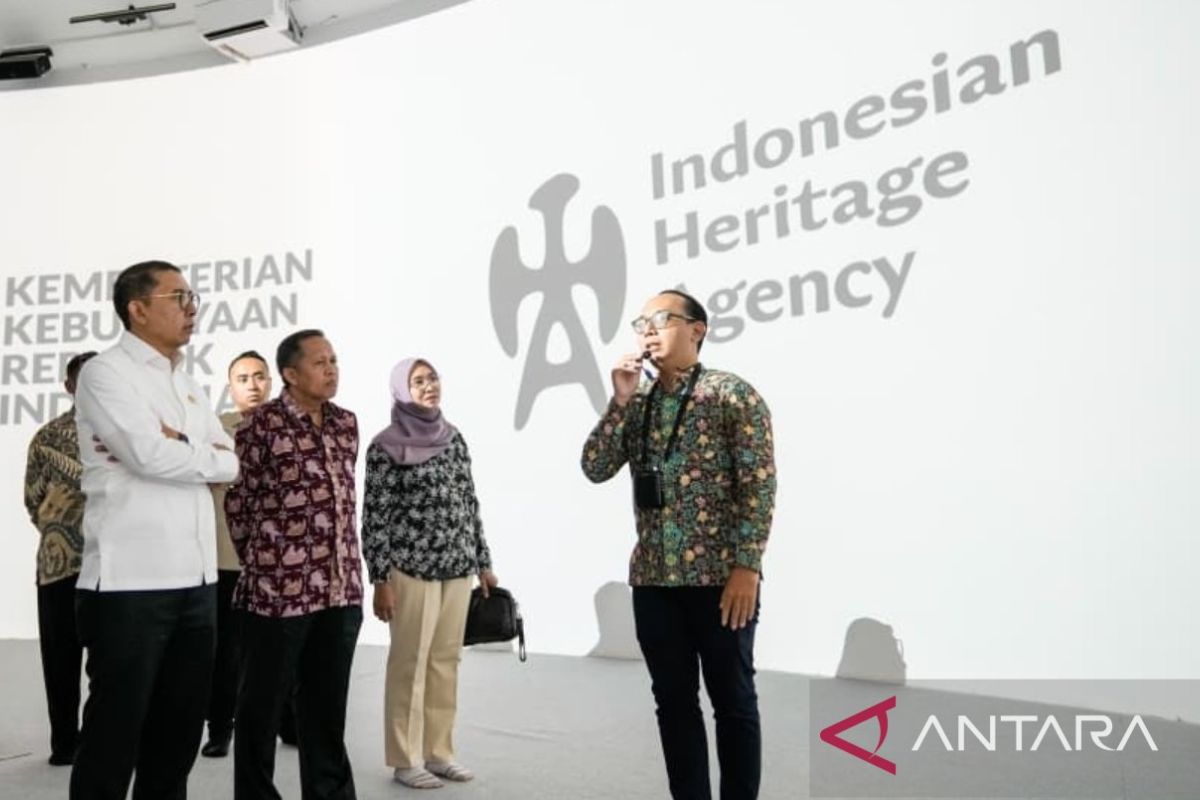
“At this museum, we can witness the nation’s journey, from the birth of Budi Utomo to the Proclamation of Independence and the defense of the Republic of Indonesia, now presented in an immersive way that is easier to understand,” Zon said in a statement received here on Sunday.
He pointed out that Yogyakarta plays a crucial role in national history, including when it served as the capital of Indonesia in 1946 and during the Dutch military aggression.
Additionally, the museum’s collection, such as artifacts, dioramas, and reliefs by Edhi Sunarso, is a key attraction in creating a more vivid historical learning experience.
Minister Zon also explained that the museum’s more contextual and communicative presentation allows it to reach a wider audience, especially the younger generation.
“Young people need to see firsthand how the history of the nation’s struggle is presented here, as it is more easily understood and relevant to their lives,” he said.
The Yogyakarta Struggle Museum was initiated by Sri Sultan Hamengku Buwono IX in 1958 to commemorate the 50th anniversary of the National Awakening.
Its construction began in 1959 and was completed in 1961, with the main building shaped like a circle and adorned with 40 reliefs depicting the nation’s historical journey.
Currently, the museum is managed by the Ministry of Culture, with ongoing curatorial updates.
Minister Zon expressed hope that the museum will continue to develop as an active public space, not just as a place for storing artifacts but also as a center for education and historical reflection that is relevant to society.
Related news: Minister pushes museum digitization to engage younger generation
Related news: Indonesia revitalizes 152 cultural heritage sites, museums in 2025
Related news: Gov’t to revitalize Pasir Angin Site Museum to attract young visitor
Translator: Adimas, Kenzu