
Minister Bahlil Dismisses Widespread Work-From-Home Policy as Energy-Saving Measure
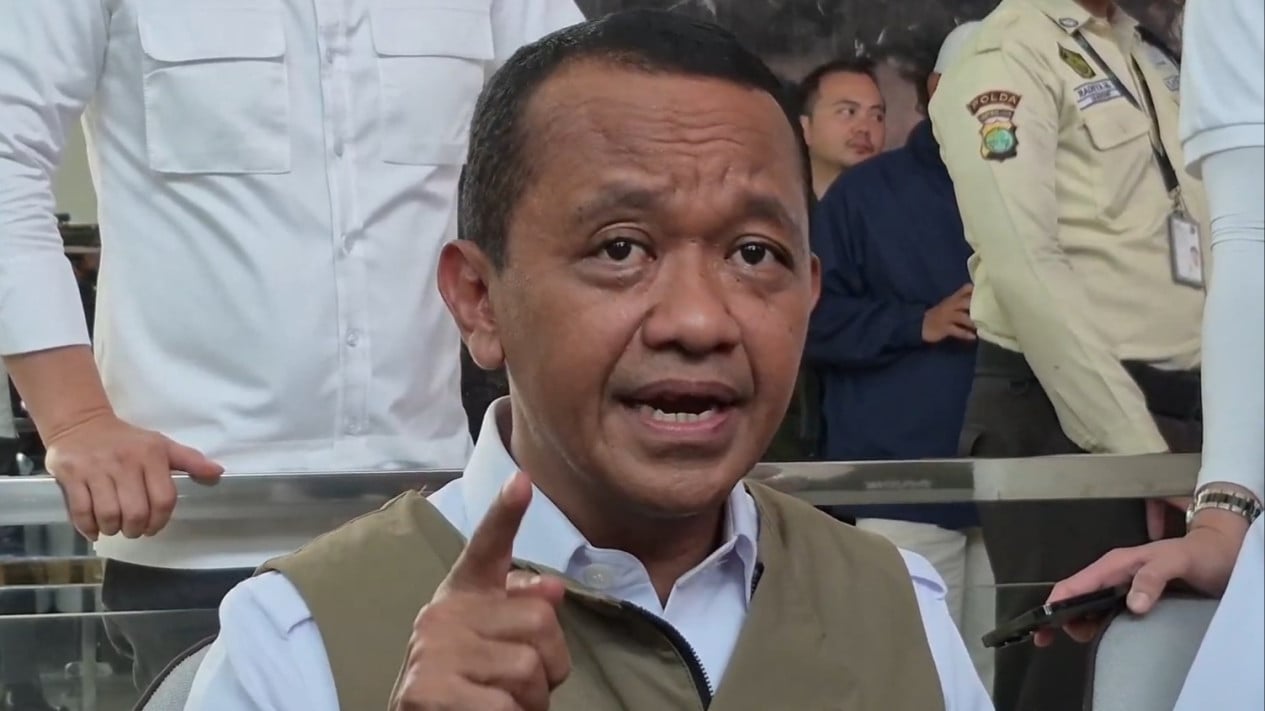
Jakarta – Energy and Mineral Resources Minister Bahlil Lahadalia stated that the government will not implement work-from-home (WFH) policies on a broad scale as a means to reduce national energy consumption, contrary to measures adopted by several other countries.
The minister assessed that domestic energy supplies remain adequate, supported by improving conditions in the global geopolitical situation. This follows the conflict in the Middle East between Iran and the United States-Israel, which led to the closure of the Strait of Hormuz. However, Bahlil noted that open-close policies are now being applied in that strait, allowing vessels from countries other than Israel and the United States to resume operations and communications in the region. He described this as a positive development for the stability of global energy distribution.
“Vessels from countries that are neither Israeli nor American can now establish communication. This is actually a positive development,” Bahlil stated at the Ministry of Energy and Mineral Resources office in Jakarta on Tuesday, 17 March 2026.
On the domestic front, Bahlil assured that national energy availability remains under control. Fuel oil, liquefied petroleum gas, and electricity reserves are confirmed to be at safe levels according to national minimum reserve standards. Coal stocks for power generation also remain within safe limits, with average reserves ranging from 14 to 15 days in line with national minimum standards.
Given these conditions, Bahlil argued that there is no urgent need to take extreme measures such as implementing WFH on a massive scale. Nevertheless, he acknowledged that the government is currently reviewing the effectiveness of WFH policies as an energy-saving option and will await future developments regarding such measures. “There are some steps that will be taken, but we are still studying whether we actually need WFH,” he said.