
Mining Industry Faces Regulatory Challenges and Global Dynamics
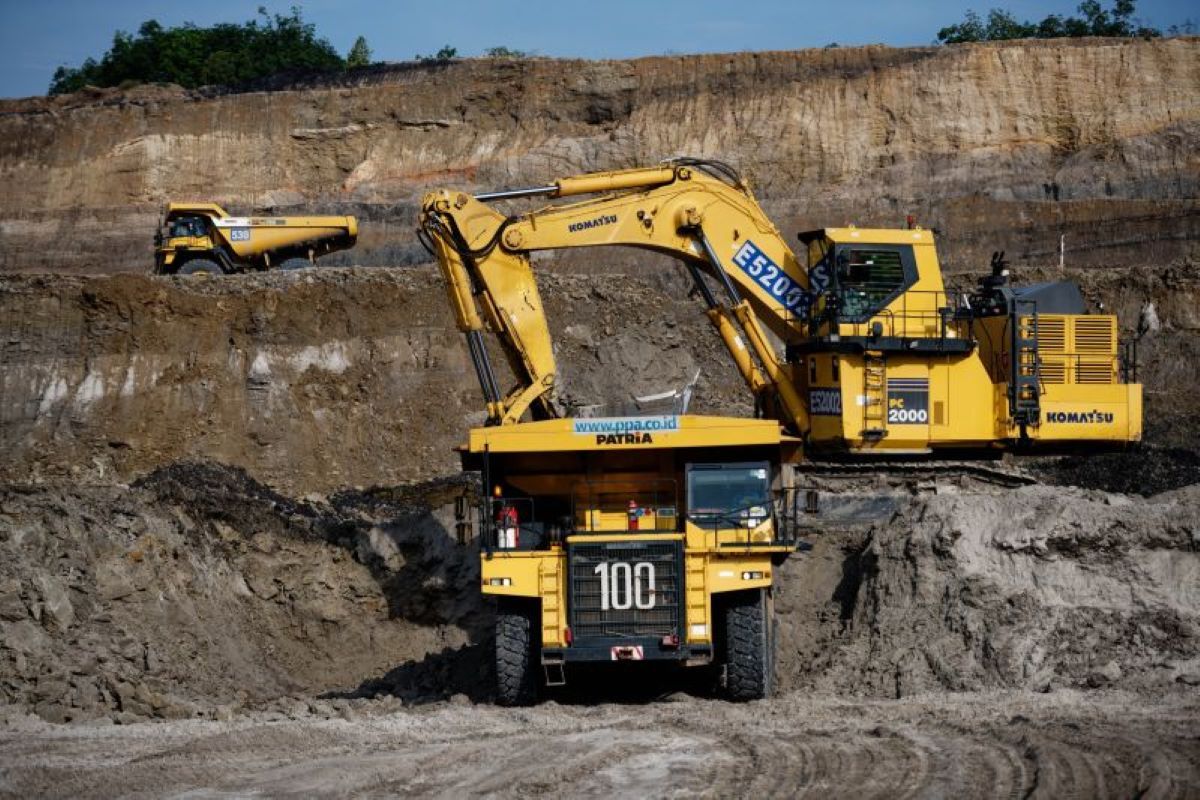
Jakarta (ANTARA) - The national mining industry is facing challenges related to the implementation of new regulations and the burden of rising fuel costs due to global dynamics, according to Sudirman Widhy Hartono, Chairman of the Indonesian Mining Experts Association (Perhapi). In his statement in Jakarta on Saturday, Sudirman said that the policy on controlling production of two mining commodities, namely coal and nickel, for the 2026 work plan and budget approval (RKAB) process is sparking problems for the industry. In addition to the production control policy, the change in RKAB approval from every three years to annually is raising concerns about production obstacles at the beginning of the year before the RKAB approval is issued. “Many companies cannot operate at the start of the year due to delays in the RKAB approval process,” Widhy said during a discussion on the Role of RKAB and Increasing Production in Addressing Global Challenges. According to him, Perhapi had actually already expressed concerns about the plan to change RKAB approval from three years back to annually. Although there is an application that can assist the RKAB approval process, in reality, RKAB approvals are delayed until March 2026. “Alhamdulillah, there is a kind of relaxation allowing the use of 25 percent of the still valid activities,” he said. Meanwhile, regarding the plan for production controls, Widhy revealed the fact that many coal mining companies have already adjusted their mining operations due to fears of production restrictions. On the other hand, Widhy also highlighted the challenge of using B50 biodiesel for mining fuel, which increases production costs. He assessed that experience with B20 to B40 has proven to reduce equipment performance and increase maintenance costs, especially in remote areas with a shorter fuel shelf life. Although B50 is claimed to save diesel subsidies up to Rp48 trillion, experts urge that this policy not be rushed considering the operational risks and massive social impacts on mining workers. Ade Candra, Director of Business Development at mining contractor Pamapersada, acknowledged that the current geopolitical turmoil inevitably affects mining service contractor companies. The current geopolitical situation is recognised as influencing the rise in commodity prices, including coal, with price increases potentially reaching up to 25 percent. However, global oil fuel prices are also rising, even more significantly. From January to March 2026, the increase could even reach 155 percent. In addition, there are production material sources facing supply constraints, such as fuel needs to operate mining equipment and components that are still heavily dependent on imports, Ade Candra added.