
MIND ID Targets Cutting 2 Million Tonnes of Emissions
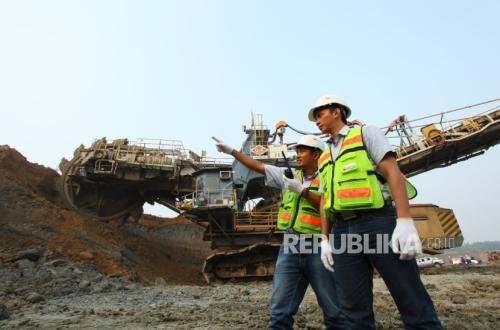
The Indonesian mining industry holding company, MIND ID, has established a target to reduce greenhouse gas (GHG) emissions by 15.5 per cent, or approximately 2 million tonnes of CO2 equivalent (CO2e), by 2030. This target is set amidst projections of a nearly twofold surge in energy demand driven by national strategic mineral downstreaming programmes.
Binahidra Logiardi, Division Head of Sustainability at MIND ID, stated that the challenges of decarbonising the mining sector are becoming increasingly complex, particularly during the expansion of downstreaming programmes which are a primary mandate for the company. Downstreaming requires high energy consumption, and MIND ID is continuously integrating sustainability programmes to optimise GHG emission controls.
“With the downstreaming mandate given to MIND ID, our operational energy requirements are expected to increase almost twofold by 2030. Furthermore, emissions are projected to increase by approximately 2.1 times if no intervention is undertaken,” he stated in a briefing on Sunday.
According to company projections, the energy needs of the MIND ID Group will rise from approximately 149,000 terajoules (TJ) in 2026 to 293,000 TJ by 2030, representing an increase of over 90 per cent. Without intervention, GHG emissions are projected to rise from 6,100 kilotonnes of CO2e to 12,900 kilotonnes of CO2e during the same period.
This surge reflects the scale of ongoing expansions, ranging from mine developments in Kalimantan, electric vehicle battery ecosystem projects in East Halmahera, and the expansion of aluminium facilities, to smelter construction and undersea mining projects. Consequently, MIND ID is undertaking several strategic steps to ensure that the growth of these downstreaming programmes is integrated with impactful environmental programmes.
The first step involves the transition to low-carbon fuels, which includes increasing the use of biodiesel from B30 to B40, replacing High Speed Diesel (HSD) with liquefied natural gas (LNG), and optimising the use of electricity from the PLN national grid. PT Bukit Asam Tbk has implemented this through the use of Bucket Wheel Excavators (BWE) for coal handling at the Tanjung Enim Mining Unit, replacing fossil-fuel-powered dump trucks and successfully reducing emissions by approximately 5,200 tonnes of CO2e per year.
PT Indonesia Asahan Aluminium (INALUM) has also converted from HSD to LNG in its baking plant, resulting in an emission reduction of approximately 3,700 tonnes of CO2e while simultaneously increasing operational energy efficiency.
Regarding renewable energy, MIND ID is expanding the use of biomass and solar energy. PT Indonesia Chemical Alumina (ICA) has implemented co-firing using palm kernel shell biomass as a partial replacement for coal, reducing emissions by about 560 tonnes of CO2e. PT Timah Tbk operates a solar PV installation with a capacity of 300 kilowatt peak (kWp), which can reduce emissions by approximately 300 tonnes of CO2e while promoting clean energy use in industrial areas.
To complement direct reduction strategies, MIND ID is developing carbon offset schemes through nature-based solutions (NBS), the utilisation of Renewable Energy Certificates (REC), and participation in carbon trading.
Binahidra emphasised that decarbonisation efforts are not merely an environmental obligation but also a decisive factor in the global competitiveness of Indonesian mineral products. Investors, financial institutions, and international supply chains are increasingly demanding sustainability as a prerequisite for market access.
“We are committed to supporting Indonesia’s target of achieving the Second NDC by 2030 and the aspiration for Indonesia’s Net Zero Emissions. Therefore, all our strategies must integrate ESG aspects into company operations,” said Binahidra. Through these various initiatives, MIND ID’s transformation towards more manageable carbon emissions represents a concrete commitment to ensuring that downstreaming expansion generates both economic added value and environmental benefits for Indonesia.