
Mind-Boggling: The Figure Whose Wealth Exceeded the National Treasury
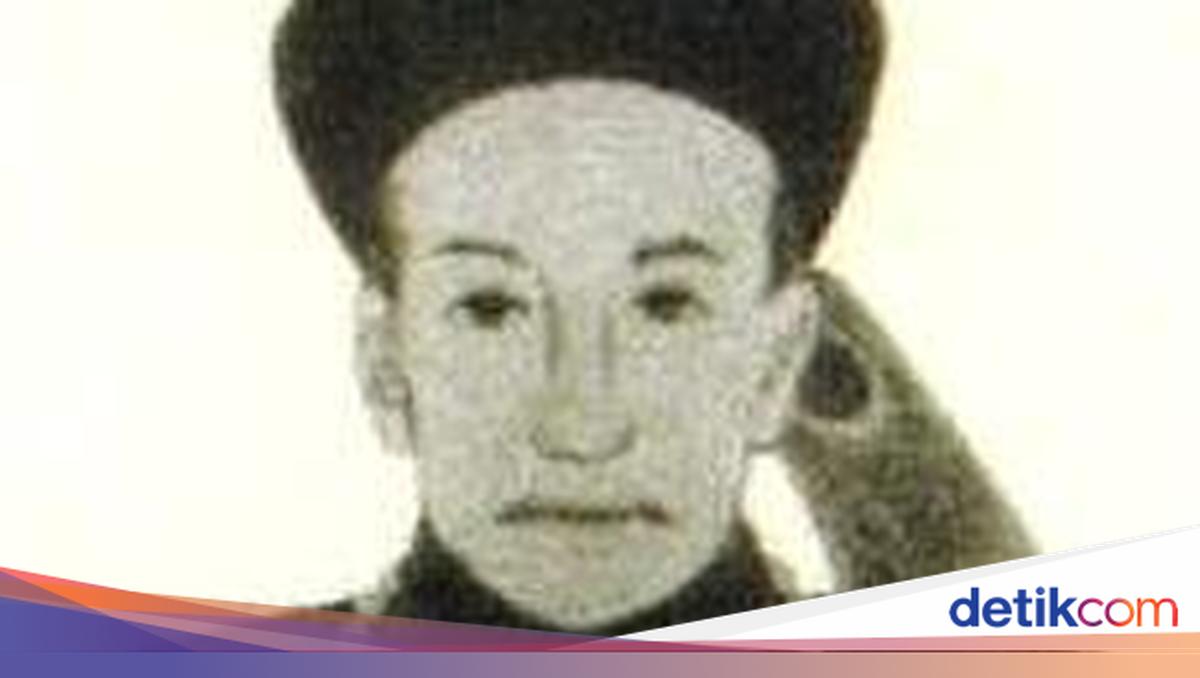
Stories of corrupt officials have existed since ancient times. One such notorious official was Heshen, a figure from China’s Qing Dynasty, whose wealth upon his death was estimated to exceed that of the state treasury.
Quoted from the book The Peking Gazette: A Reader in Nineteenth-Century Chinese History by Lane J. Harris, Heshen is regarded as one of the officials who contributed to the decline of the Manchu Qing Dynasty. He is suspected of filling the bureaucracy with his cronies, embezzling money from the people, massacring innocent villagers, and plundering military supplies.
Almost all historical records mention Heshen’s influence as a cause of the Qing Dynasty’s downfall, but the complex reasons behind the dynasty’s decline cannot be attributed to one person alone. Nevertheless, Heshen is famously known as an extremely corrupt official.
Although born into a Manchu family, Heshen began his career as a low-ranking imperial guard in 1772.
Three years later, he was transferred to duty at the Qianqing Gate, deep within the Forbidden City, where he caught the attention of Emperor Qianlong.
Heshen’s rapid rise through the ranks of government was one of the most spectacular in Chinese history. Within one year of meeting the emperor, Heshen was appointed as the Imperial Front Room Guard, promoted to Deputy Lieutenant General, appointed as Junior Deputy President of the Board of Revenue, appointed as Grand Councillor, and became Imperial Household Minister. All of this was achieved in less than 12 months.
Over the next 25 years, Heshen held many of the most influential positions in the empire. He later married his son to Qianlong’s favourite daughter and rose through the nobility to become a duke in 1798.
However, on 22 February 1799, just two weeks after Emperor Qianlong’s death, Heshen was ceremonially given a silk cord to hang himself. At the time of his death, Heshen embodied the greed, corruption, and mismanagement of government during the Qing era.
Meanwhile, quoted from the book Rising China and Its Postmodern Fate, Volume II edited by Charles Horner, Heshen’s wealth is said to have surpassed the state’s income. His total wealth was estimated at around 1.1 million taels of silver, reportedly equivalent to the Qing imperial government’s revenue for 15 years.