
Milk Water Repaid with Poison Water in Public Services
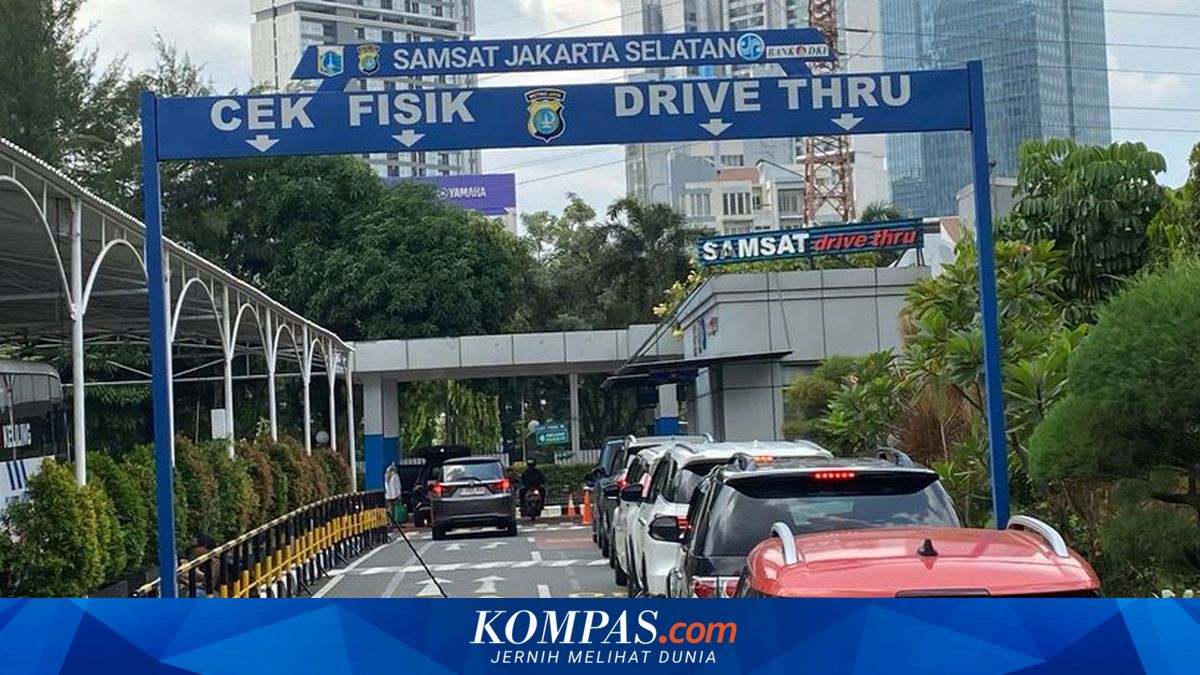
There is an irony that often feels suffocating in the face of our public services: citizens arrive with good intentions, fulfilling their duties as citizens, but leave with disappointment, even loss.
The case of a citizen who lost a motorbike in the official parking area of Samsat Palembang after paying vehicle tax is a stark portrait of this irony.
Instead of receiving a sense of security and decent service, he became a victim in a space that should provide protection.
The old proverb states, “Air susu dibalas dengan air tuba.” This expression feels highly relevant because citizens have made a tangible contribution to the state through taxes, an obligation that is not always light.
However, the response received is uncertainty, even loss, which reflects the collapse of trust in public institutions.
In the concept of a modern state, the relationship between citizens and the government is not merely administrative, but also a moral contract.
Citizens pay taxes not only to fulfil legal obligations, but also because there is an expectation that the state will be present to provide safe, fair, and professional services.
When someone comes to the Samsat office, they are not just processing vehicle documents, but participating in the state system by contributing to development.
Therefore, security in public service environments is not an additional facility, but a basic right.
The case of vehicle loss in the official parking area shows serious gaps in the security system.
The question is not only who is responsible, but also how this could happen in a space that should be the most secure?
If we refer to the principles of good public services, namely transparency, accountability, and responsiveness, this incident shows failures in all three.
First, transparency, when a loss occurs, is there a clear accountability mechanism, or is the victim faced with convoluted and exhausting procedures?
Second, accountability, when the loss occurs, is there a clear accountability mechanism, or is the victim faced with convoluted and exhausting procedures?
Third, responsiveness, how quickly and seriously do the relevant parties respond to this case?