
Middle East War Tests Global Economy’s Resilience, Inflation Threatened to Rise
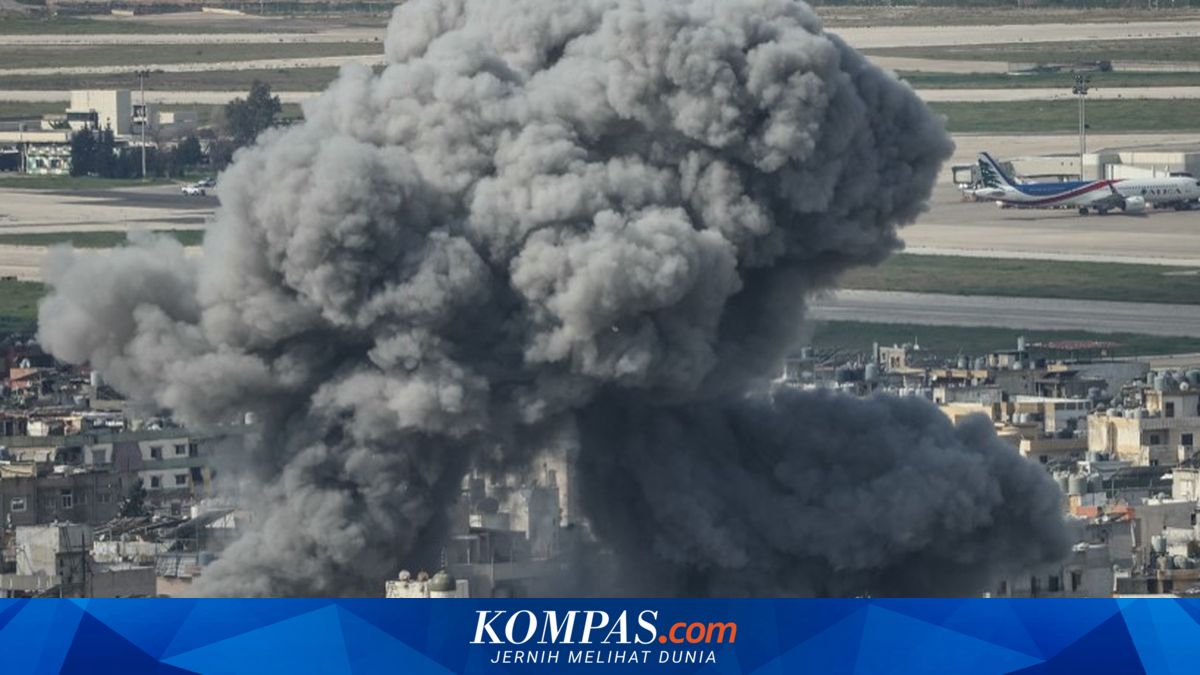
Geopolitical tensions in the Middle East again place the global economy in a fragile position. The escalation of the conflict involving Iran and Western countries has sparked fresh concerns about energy price stability, global inflation, and prospects for global economic growth. Several financial institutions and international organisations warn that the economic impact of the conflict will be highly dependent on the duration of the war and disruptions to global energy supply.
One of the main channels through which the Middle East conflict could have a major impact on the global economy is the energy market. The region is a centre of oil and gas production and a key energy distribution axis for many countries.
The conflict involving Iran could disrupt strategic energy trade routes such as the Strait of Hormuz, which has long been a crucial route for global oil distribution. Military strikes and retaliatory actions since late February 2026 have also pushed oil prices higher significantly. Brent crude prices reportedly jumped around 10 to 13 percent, rising from around $70 per barrel to above $80 in a matter of days. Brent is currently around $92 per barrel.
The rise in energy prices has immediately triggered renewed concerns about global inflation, especially since energy is a major cost component in many sectors of the economy. The projections show how changes in energy prices as a result of geopolitical conflict can quickly affect global economic performance. The surge in energy prices is one of the main factors driving global inflation risk. When the price of oil and gas rises, production and transport costs follow. The impact then spreads to various sectors of the economy, including manufacturing, logistics, and food prices.