
Middle East War Could Dash Hopes for Fed Interest Rate Cuts
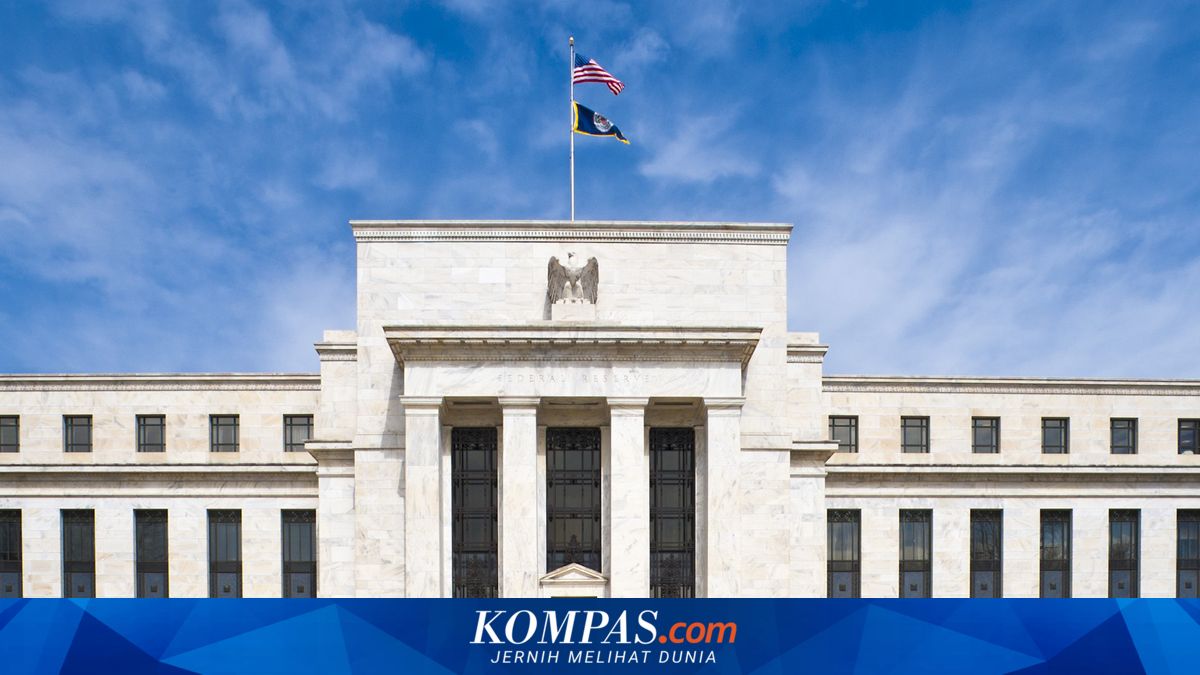
WASHINGTON, KOMPAS.com - The United States-Israel war with Iran, now entering its third week, has shattered hopes that the US Federal Reserve, or the Fed, will lower interest rates this year. The war has triggered the largest disruption to oil supplies in history. It has also caused energy prices to surge and threatens to raise the cost of nearly everything Americans buy. At the same time, investors and Federal Reserve officials are still waiting to see the full impact of the tariffs imposed by President Donald Trump on inflation. Currently, the central bank only anticipates one interest rate cut of 25 basis points, or a quarter point, this year. However, as the war continues, any rate cut is likely to be postponed further. “And if that happens, it will most likely occur towards the end of the year when there is a new Fed Chair and when there is more data to assess in the areas of inflation and employment,” he said, quoted from CNN, Wednesday (18/3/2026). In January, Trump nominated Kevin Warsh to lead the central bank after Fed Chair Jerome Powell’s term ends in May. Warsh is expected to push for lower borrowing costs. However, the war with Iran is likely to have altered that strategy. After this week’s meeting, Powell technically has only one term left as chair. However, he could remain in the position if Republican lawmakers cannot persuade Senator Thom Tillis from North Carolina to nominate the next chair. Tillis intends to block all Fed nominations unless the Trump administration halts the investigation into Powell’s handling of the Fed headquarters renovation. In April last year, Trump imposed a series of burdensome tariffs on all US trading partners. Many economists believe those duties will raise costs for American businesses and individuals. Some Fed officials, including Powell, have said that Trump’s tariffs will ultimately result in only a one-time price increase. Now, the central bank’s policymakers must also consider how that increase will interact with the economic impacts of the Middle East conflict.