
Middle East War and the Threat to Food Self-Sufficiency
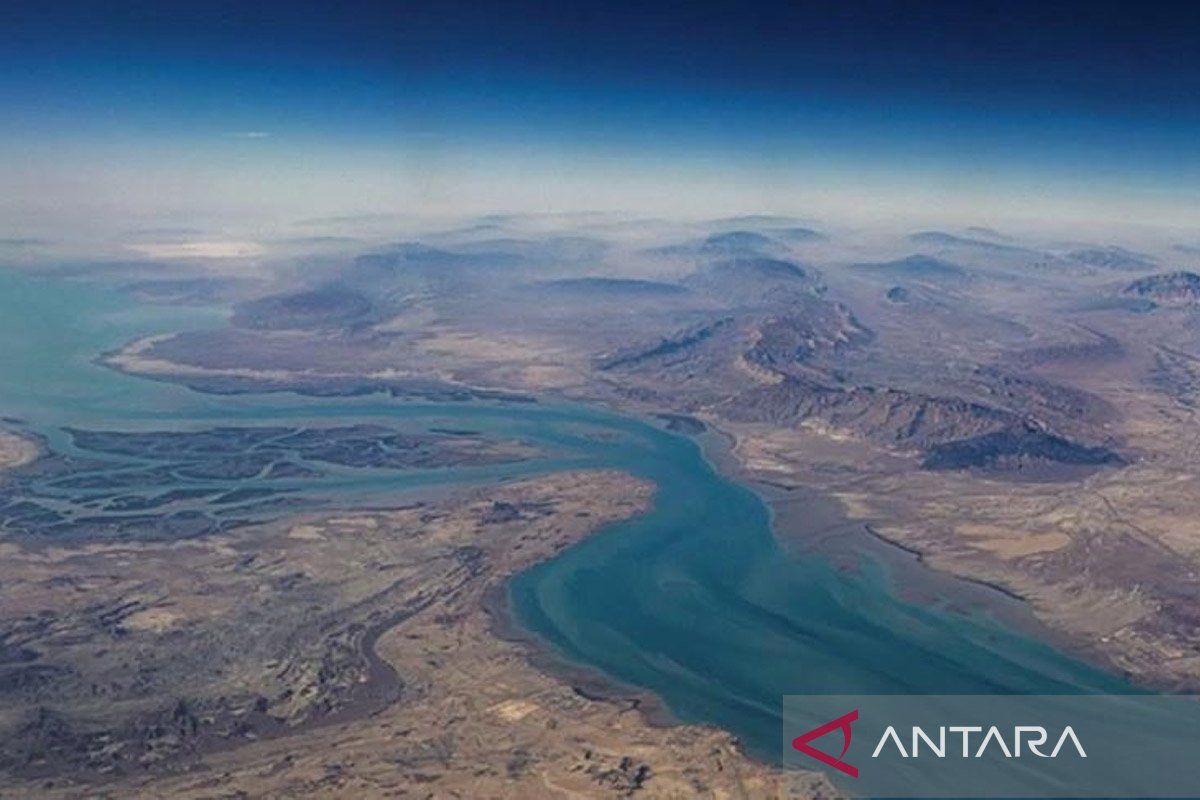
The war in the Middle East may seem distant. But if fertiliser supplies are disrupted, the impact could be very close, even reaching our own dinner tables.
Jakarta (ANTARA) - The war in the Middle East is often understood as an energy conflict. However, behind that, there lurks another threat: a food crisis that begins from the soil.
The Strait of Hormuz, the narrow passage connecting the Persian Gulf to the open ocean, is not only traversed by oil tankers. This route also serves as a vital artery for global fertiliser distribution, particularly nitrogen fertiliser (urea).
Nearly half of the world’s urea trade depends on this region. When conflict disrupts its stability, what halts is not only the flow of energy, but also the flow of nutrients that support global food production.
The Middle East region is one of the world’s major fertiliser production centres, especially for nitrogen fertiliser (urea) and phosphate fertiliser raw materials.
Globally, this region contributes around 15-20 percent of nitrogen fertiliser production, and dominates international trade with nearly 40-50 percent of global urea exports originating from Gulf countries.
Qatar, Saudi Arabia, Iran, the United Arab Emirates, and Oman have an advantage due to the availability of natural gas as the main raw material. Qatar produces around 6 million tonnes of urea per year, while Iran is estimated to reach 6-8 million tonnes per year.
Saudi Arabia, through its large-scale petrochemical industry, as well as the United Arab Emirates and Oman, further strengthen the region’s position as the backbone of the world’s nitrogen fertiliser supply.
For phosphorus fertiliser, Saudi Arabia is also one of the world’s major producers with a capacity of around 6-7 million tonnes of phosphate fertiliser per year. This shows that the Middle East is not only a centre for nitrogen fertiliser, but also an important part of the global phosphorus supply chain.
Global Impact