
Middle East Tensions Spur Indonesian Furniture Industry Warning Over Export Disruption Risks
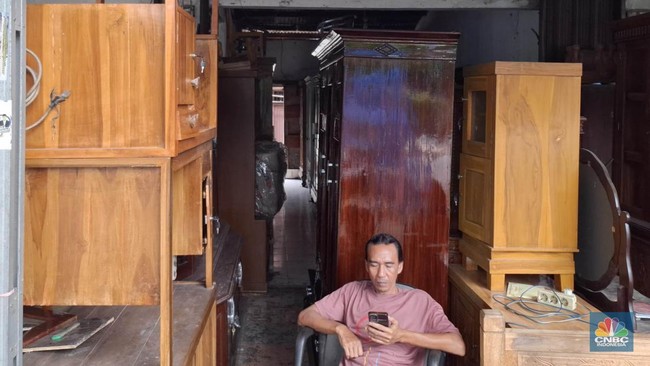
Geopolitical tensions in the Middle East have begun raising alarm among Indonesia’s furniture and handicrafts industry operators. The sector faces potential disruption from a logistics perspective, particularly if global shipping routes experience interruption.
Abdul Sobur, Chairman of the Indonesian Furniture and Handicrafts Industry Association, stated that business operators’ most immediate concern is disruption to goods delivery schedules to export markets.
“If conflict intensifies and shipping routes are disrupted, the first impact we experience is delivery schedule disruption. Shipping lead times could lengthen and become uncertain,” Sobur told CNBC Indonesia on Monday, 9 March 2026.
Timely delivery is a crucial factor in the furniture industry, particularly for large retail buyers in global markets.
“Large retail buyers are highly sensitive to on-time delivery. If shipments arrive late, exporters risk penalties or chargebacks from buyers,” he explained.
Beyond delivery schedule concerns, the industry could face freight cost increases due to heightened conflict zone risks.
“Usually when certain regions are considered risky, freight costs can rise quickly. Additionally, war risk insurance premiums also increase,” Sobur clarified.
Conflict in the region could also trigger rises in global energy prices, ultimately driving up production and distribution costs.
“When oil prices rise due to conflict, energy costs for production and logistics automatically increase,” he noted.
Several industry analyses estimate shipping costs could increase significantly if vessels must alter shipping routes to avoid high-risk areas.
“If ships must take alternate routes or face higher security risks, shipping costs could rise approximately 50 to 80 percent on certain routes,” he explained.
Cost increases are also influenced by the trade contract schemes used by exporters.
“If the contract is FOB (free on board), freight is usually borne by the buyer. However, in practice there remains price pressure because buyers often request discounts to offset rising shipping costs,” Sobur said.
Conversely, if contracts use CIF (Cost, Insurance, and Freight) or CFR (Cost and Freight) schemes, exporters must cover logistics costs upfront before passing them on to buyers.
“If there is no price adjustment or surcharge, exporter margins can be immediately eroded by freight increases,” he stated.
Nevertheless, the typical pattern during the initial conflict phase is not direct order cancellation.
“Usually buyers do not immediately cancel orders. What more commonly occurs is shipping delays or shipments being held temporarily whilst awaiting confirmation of vessel schedules and logistics costs,” Sobur explained.
Despite facing ongoing challenges, industry operators are targeting Indonesian furniture exports to increase gradually, reaching US$6 billion by 2030, with furniture exhibitions such as IFEX serving as a key driver for promotion and global market expansion.