
Middle East Tensions Set to Deliver Double Blow to This Industry
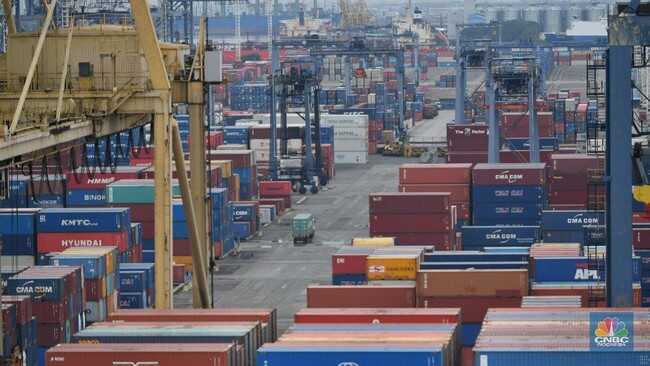
Geopolitical tensions in the Middle East pose a dual threat not only to global energy markets but also to the performance of several industrial sectors in Indonesia. Industries that depend on imported raw materials are considered particularly vulnerable to such disruptions.
Disruptions to global energy trade routes could trigger increases in global oil prices, which in turn raise domestic logistics costs and production expenses.
The Founder and Chief Executive Officer of Supply Chain Indonesia (SCI), Setijadi, stated that industrial sectors dependent on imported raw materials face potential layered pressure.
“Import-based industries face a double risk: increased import costs due to surging oil prices and increased domestic distribution costs,” Setijadi said in a statement on Monday, 2 February 2026.
Rising global energy prices impact not only international transport costs but also cascade into domestic logistics expenses.
This situation places considerable pressure on several business sectors, particularly industries with relatively thin profit margins.
“The construction sector and SMEs are also relatively vulnerable due to high transport costs and limited margins,” he said.
The national logistics system, which still relies heavily on road transport, makes distribution costs highly sensitive to fuel price fluctuations.
“Indonesia’s logistics structure, which still depends primarily on road transport, makes sensitivity to diesel price changes relatively high,” he said.
The heavy dependence on land-based transport modes means that every surge in global energy prices directly influences national distribution costs.
“In such conditions, the greatest risk emerging is pressure on distribution cost inflation, particularly for food commodities and essential goods,” he said.
To mitigate these impacts, according to Setijadi, the government must maintain energy price stability whilst accelerating improvements to the national logistics system.
“The government needs to maintain fuel price stability through adaptive fiscal policy and accelerate energy diversification,” he said.
Additionally, strengthening logistics connectivity is considered an important step to reduce dependence on land-based transport.
“Strengthening multimodal connectivity, particularly optimising maritime and railway transport, is crucial to reducing sensitivity to diesel price fluctuations,” Setijadi said.