
Middle East in Crisis: Airspace Closures Leave Thousands of Airline Passengers Stranded
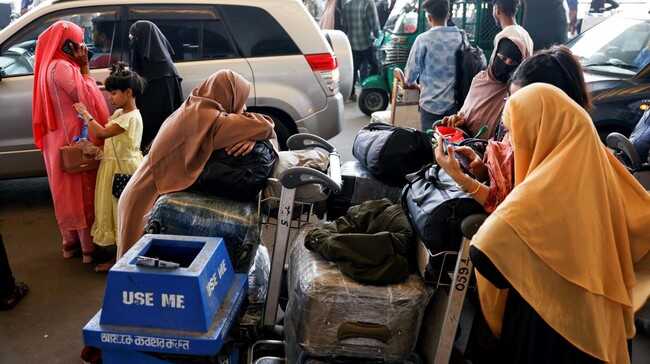
Thousands of travellers have been stranded after several Middle Eastern nations closed their airspace following military strikes against Iran on Sunday, 1 March 2026. The closures have caused major disruptions to international aviation networks connecting Europe, Africa, and Asia.
Key transit hubs in Dubai, Abu Dhabi, and Doha have ceased operations after several nations, including Israel, Qatar, Iraq, Kuwait, and Bahrain, closed their airspace. Flight tracking data from FlightRadar24 shows no flight activity above the United Arab Emirates following the government’s announcement of a temporary closure of portions of its airspace.
The closures have triggered the cancellation of more than 1,000 flights operated by major regional carriers. According to aviation analytics firm Cirium, under normal circumstances, the three principal carriers—Emirates, Qatar Airways, and Etihad Airways—can serve approximately 90,000 passengers daily through these hubs. Dubai International Airport is recognised as the world’s busiest airport for international flights.
Airlines that normally transit the conflict region are now forced to divert their routes, with many routing through Saudi Arabian airspace. These diversions have increased flight times and fuel consumption, potentially driving up ticket prices if the conflict continues.