
Middle East Geopolitical Tensions Impact National Resilience
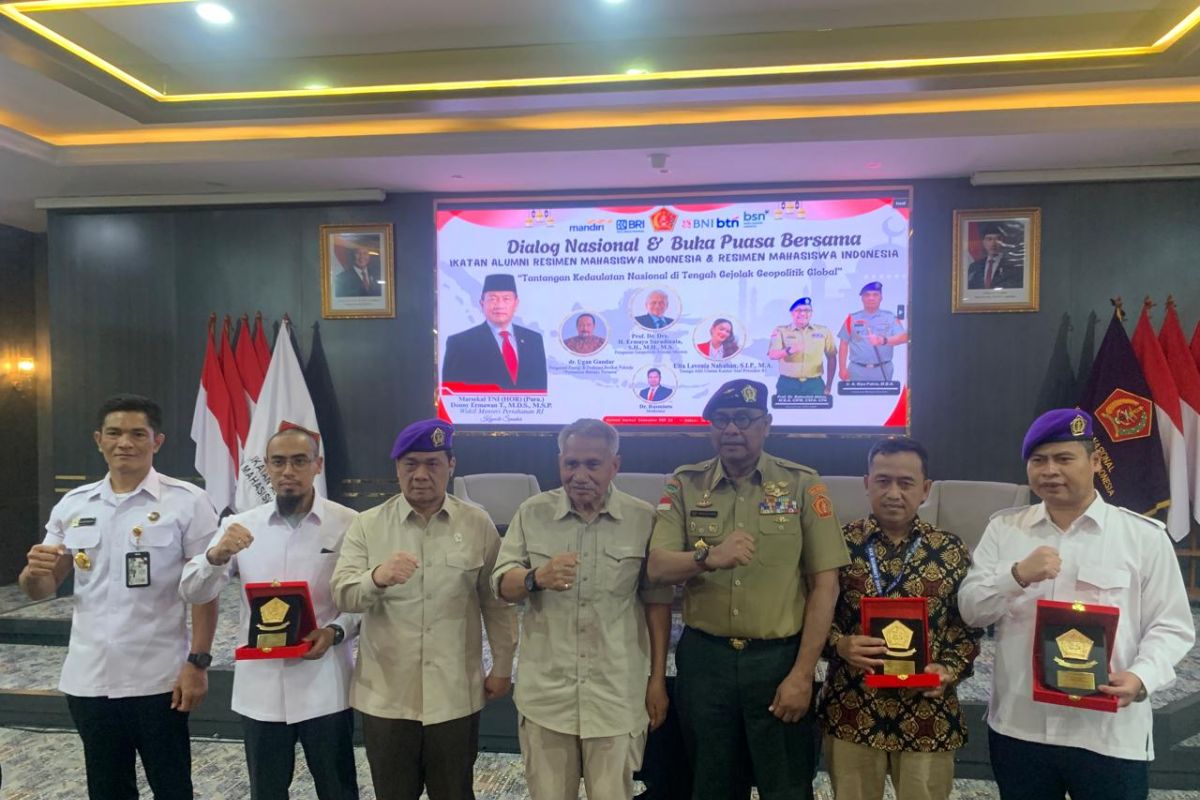
Jakarta — The National Board of the Indonesian Military Alumni Association (IARMI) has warned that Middle East geopolitical tensions could have wide-ranging impacts on global stability and Indonesia’s national sovereignty, including economic pressure, energy security threats and social instability within the country.
General Chairman of the IARMI National Board, Bahrullah Akbar, stated in Jakarta on Friday that conflicts involving major powers such as the United States, Israel and Iran cannot be viewed merely as regional disputes as their effects extend across various global sectors.
“Middle East tensions have direct implications for world economic stability, including Indonesia’s energy and economic resilience,” Bahrullah said during a national dialogue titled “Challenges to National Sovereignty Amid Global Geopolitical Turbulence” in Jakarta on Thursday, 12 March.
Strengthening national resilience is therefore crucial to ensure Indonesia can maintain its sovereignty amid evolving global geopolitical dynamics.
According to Bahrullah, the military alumni organisation also has a moral responsibility to build geopolitical awareness among the public, particularly young people, to prevent them from being easily influenced by global narratives that could trigger domestic polarisation.
The escalation of conflict between Israel, Iran and the United States now also involves a global narrative war and attacks on strategic digital infrastructure, he noted.
“The Middle East crisis demonstrates that national sovereignty is no longer tested only militarily, but also in diplomatic and digital security dimensions,” Bahrullah said.
Meanwhile, geopolitical geography expert Dr Rasminto emphasised that national defence preparedness is part of the constitutional mandate to protect national sovereignty and the safety of the people.
“Military preparedness is not an aggressive stance, but a form of state responsibility in protecting sovereignty and public safety amid global geopolitical dynamics,” Rasminto stated.
Although Indonesia is not directly involved in the Middle East conflict, indirect effects such as global economic disruption, energy crises and potential social polarisation still need to be anticipated through strengthened national resilience, he added.
The national dialogue also emphasised the importance of young people and military alumni in strengthening national awareness and maintaining national unity amid evolving global geopolitical dynamics.